

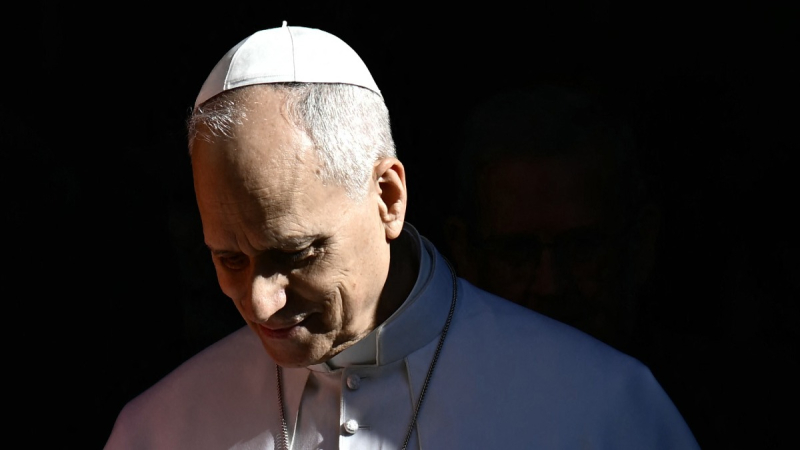
Global Church Unity Amid Cultural Diversity
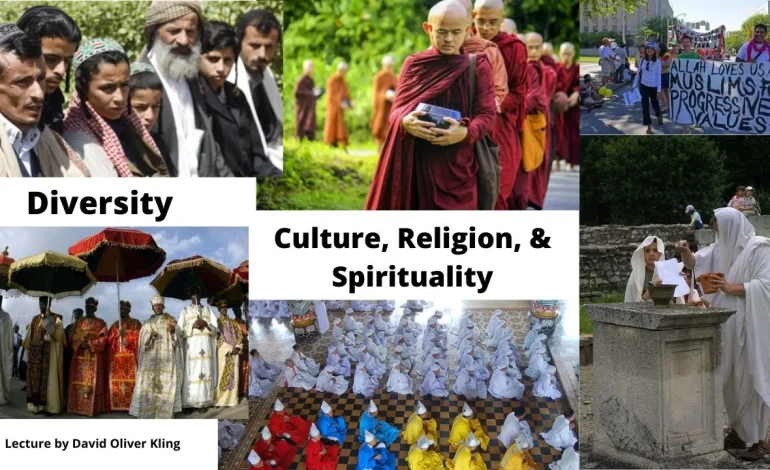

Across continents and cultures, the Catholic Church stands as one of the most diverse yet unified institutions on Earth. From small rural parishes in Africa to towering cathedrals in Europe and bustling congregations in Asia and Latin America, the Church embodies the universal human longing for faith and belonging. Yet, maintaining this unity amid growing cultural diversity is a continuing challenge and a source of great strength.
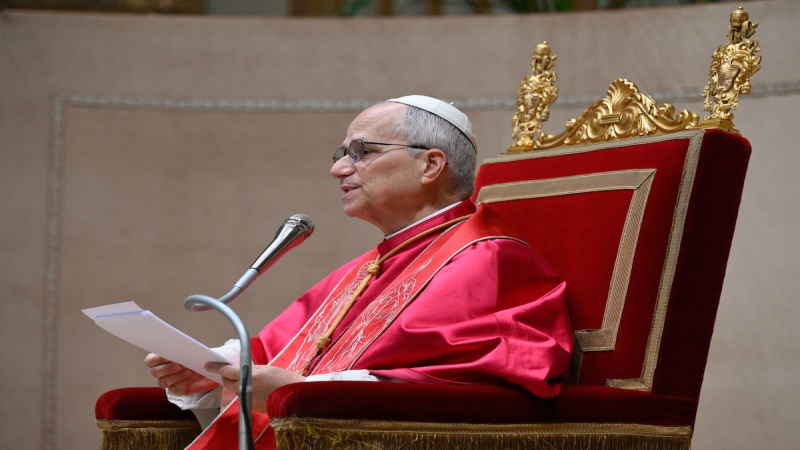
In his recent reflections, Pope Leo XIV emphasized that unity in the Church does not mean uniformity. Rather, it is the harmony that arises when diverse voices contribute to one shared mission. He pointed out that every culture offers a unique perspective on faith, enriching the global Church with its traditions, music, language, and symbols. “When we listen to one another with love,” he said, “we discover that diversity is not a barrier but a bridge.”
This message comes at a time when globalization and migration are reshaping societies. Millions of Catholics now live in countries far from their ancestral homes, forming vibrant diasporas that bring new expressions of worship and community life. These realities demand that the Church continually find new ways to welcome difference while holding fast to its foundational truths.
Dialogue Across Cultures and Traditions
Cultural dialogue has long been part of the Church’s mission. The Second Vatican Council recognized that the Gospel must take root in every culture without losing its essence. This process, known as inculturation, encourages local communities to express their faith through their own languages, customs, and artistic forms. It is through this dialogue that the universal Church finds renewal and relevance.
In Asia, for example, Catholic communities incorporate symbols of harmony and family that are deeply rooted in local heritage. In Africa, worship often includes music and dance that express joy and communal spirit. In Latin America, devotion to Mary under different titles, such as Our Lady of Guadalupe or Our Lady of Aparecida, reflects how faith adapts to people’s cultural identities.
Pope Leo XIV has called for deeper understanding among different Catholic traditions, including the Eastern rites and indigenous communities that enrich the Church’s identity. He reminded the faithful that respect for cultural expression is a reflection of respect for human dignity itself. True unity, he said, can only exist when every member feels seen and valued.
Challenges to Unity in the Modern Era
Despite this beauty of diversity, the global Church faces new tensions. Cultural misunderstandings, political polarization, and differing social priorities can sometimes create division. The digital age, while connecting believers worldwide, also amplifies disagreements within the Church. Pope Leo XIV has urged Catholics to resist the temptation to reduce faith to ideology.
He warned that when communication becomes hostile, dialogue suffers. The Church must remain a space of listening, where believers can engage respectfully with differing perspectives. This means fostering empathy and understanding, especially when addressing complex moral, political, or cultural issues.
The Vatican continues to promote global gatherings and synodal discussions to give all parts of the Church a voice. These efforts aim to ensure that the Church remains both inclusive and faithful to its mission. For Pope Leo XIV, synodality is not a procedural exercise but a spiritual journey, a way of walking together toward unity.
Faith as a Shared Language
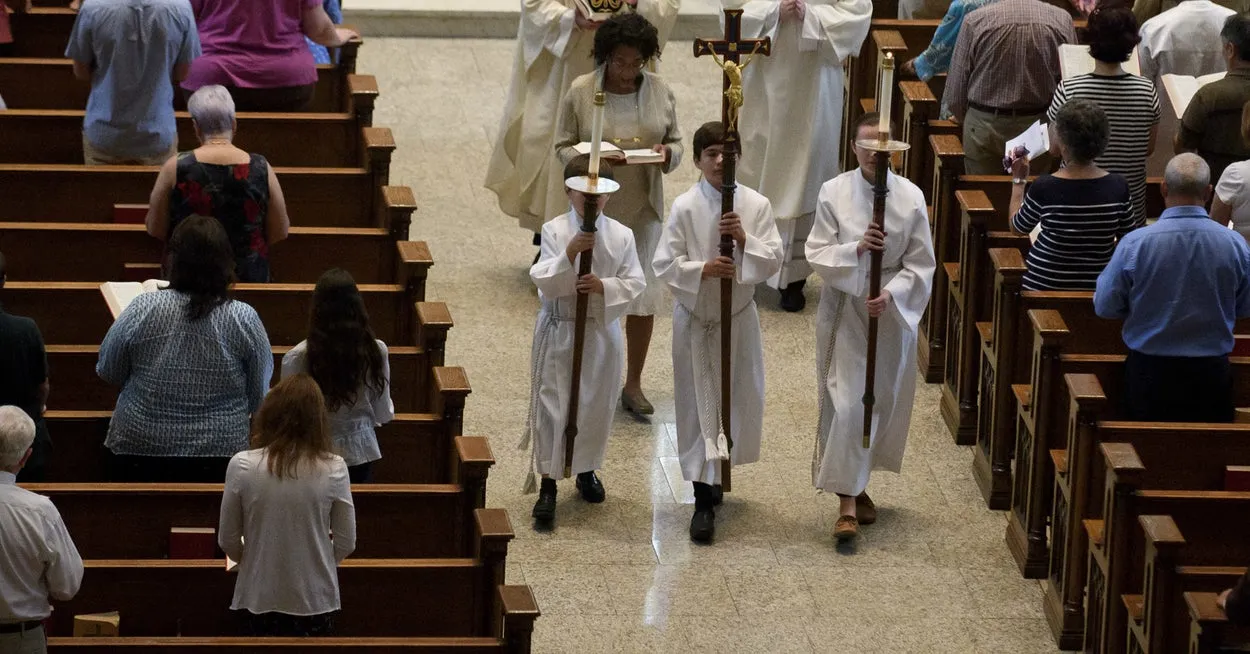
Amid these global dynamics, the heart of the Church’s unity remains faith in Christ. It is faith that transcends language, geography, and custom. Wherever Mass is celebrated, the same prayers echo in countless tongues, and the Eucharist becomes a sign of the Church’s universal communion.
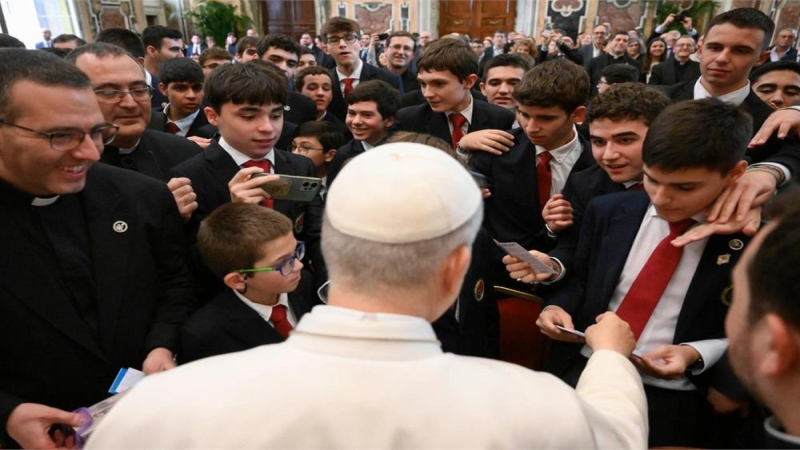
This shared worship binds believers more deeply than any cultural difference could divide them. Pilgrimages, international youth gatherings, and missionary cooperation continue to strengthen this bond. Through these shared experiences, Catholics are reminded that they belong to a family that extends beyond borders and backgrounds.
The Church also sees in diversity a model for peace. As conflicts rooted in ethnicity and ideology continue to trouble nations, the Church’s internal harmony stands as a living example of coexistence. The ability to unite diverse peoples around a common faith offers a message of hope to the wider world.
Pope Leo XIV often speaks of the Church as a “home of humanity,” where differences are not feared but celebrated as gifts. His vision reflects the Gospel’s call to love one another as children of the same Creator. Under his guidance, the Vatican continues to promote interfaith dialogue and collaboration on global issues such as poverty, migration, and climate change, demonstrating how unity of spirit can inspire collective action.
Building a Church of Belonging
For the Church to remain strong, it must continue to cultivate belonging. This means welcoming all, especially those who feel distant or marginalized. Parishes and dioceses around the world are encouraged to build inclusive communities where people of all cultures and generations can find a spiritual home.
Education and formation also play a key role in strengthening unity. Seminaries and Catholic universities are promoting intercultural learning, preparing priests and lay leaders who can minister effectively in global and diverse contexts. These initiatives are helping the Church grow not only in numbers but in understanding.
In the end, the Catholic Church’s global unity is not a matter of organizational structure but of shared faith, compassion, and purpose. It is the fruit of dialogue, humility, and mutual respect. As Pope Leo XIV reminds the faithful, “The Church’s strength lies in its diversity. When we walk together as one, the world can see the reflection of divine harmony.