Global Defence Spending Climbs to 2.63 Trillion Dollars as Tensions Persist
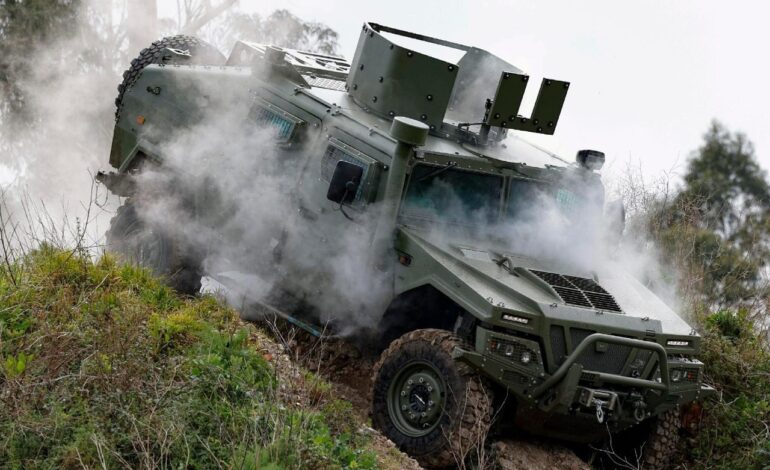

Global military expenditure continued to rise in 2025, reaching an estimated 2.63 trillion US dollars, according to the latest Military Balance report from the International Institute for Strategic Studies. The figure represents a 2.5 percent increase compared to the previous year, confirming a steady upward trend despite a slower pace of growth than in the immediate aftermath of Russia’s invasion of Ukraine.
The annual report presents a complex regional picture shaped by ongoing geopolitical tensions, strategic recalculations, and shifting security priorities. Europe recorded one of the most significant increases, with defence spending rising by approximately 12.6 percent. The surge reflects heightened security concerns and renewed commitments among NATO allies to strengthen military capabilities.
Germany played a central role in Europe’s increased outlays, contributing substantially to the continent’s expanded defence profile. As a result, Europe accounted for more than 21 percent of global military expenditure in 2025, up from 17 percent in 2022. The shift underscores how the conflict in Ukraine has reshaped defence strategies across the region.
In the United States, defence spending growth temporarily moderated in 2025. However, policy proposals under the current administration signal a potential increase beyond one trillion dollars in 2026. Among the initiatives under discussion is a proposed missile defence system known as the Golden Dome, aimed at enhancing national security infrastructure.
Russia’s military expenditure continued to grow in absolute terms, though at a slower rate than during the earlier phases of the war in Ukraine. Across Asia, defence budgets also expanded. China maintained a dominant position, accounting for nearly 44 percent of regional military spending, while several neighboring countries increased their own allocations amid regional security competition.
The Middle East and North Africa region likewise registered higher defence spending, reflecting persistent instability and efforts by governments to strengthen military readiness.
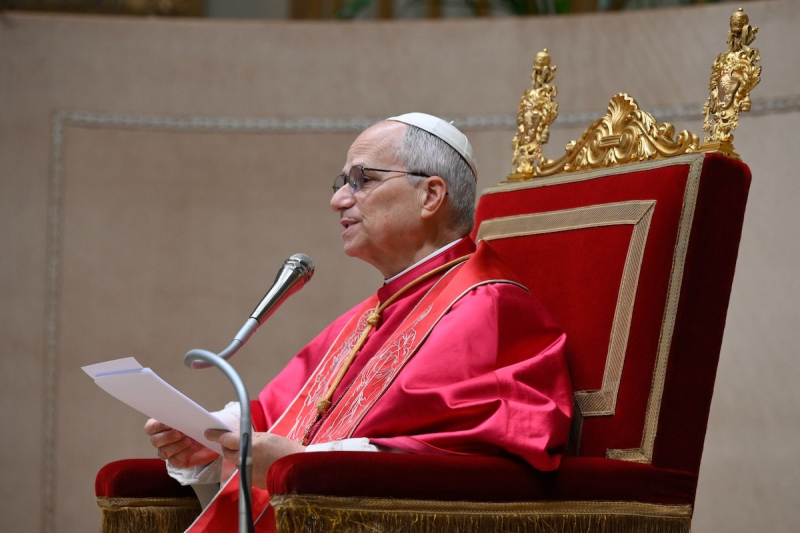
Against this backdrop of rising military investment, Pope Leo XIV has repeatedly called for a reassessment of global priorities. Speaking recently to the Pontifical Academy for Life, the Pope warned that vast financial resources absorbed by armed conflicts could instead be directed toward strengthening healthcare systems and protecting human life.
He emphasized that wars not only claim lives directly but also damage civil infrastructure, including hospitals and essential services. Such destruction, he argued, represents a direct attack on public health and undermines the universal right to medical care. The Pope has also encouraged the revitalization of multilateral institutions capable of mediating disputes and preventing escalation.
As defence budgets continue to expand worldwide, the debate over security, human dignity, and the allocation of global resources remains central to international political and ethical discussions.