

Global Migration Trends Are Reshaping Parish Life Pastors Respond with New Outreach Models
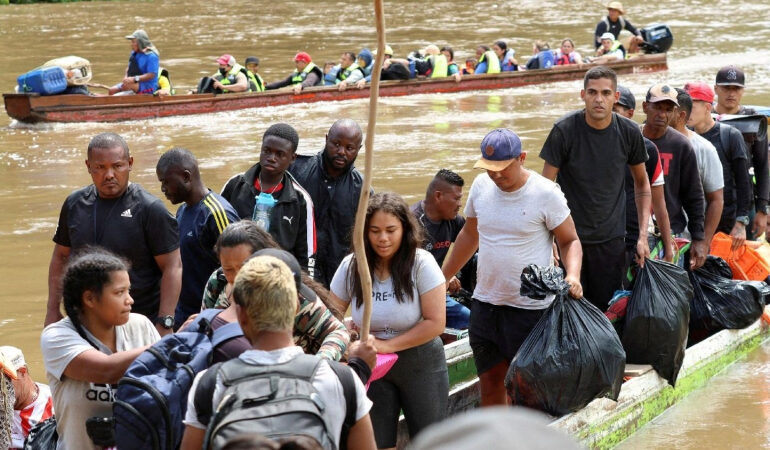

Global migration patterns are transforming parish life in many parts of the world, bringing new cultural expressions, languages, and pastoral needs into local communities. As populations shift due to economic uncertainty, conflict, environmental change, and expanded mobility, parishes are becoming increasingly diverse. Pastors and parish leaders are adapting their ministries to serve communities that reflect a broad range of cultural backgrounds and life experiences.
Many dioceses report significant changes in community composition, with new arrivals revitalizing parish participation while also presenting pastoral challenges that require thoughtful planning. These developments highlight the Church’s ongoing responsibility to welcome newcomers, foster unity, and support families navigating complex transitions. The current moment invites renewed reflection on how parishes can maintain strong community bonds amid demographic transformation.
Migration Brings New Opportunities and New Pastoral Responsibilities
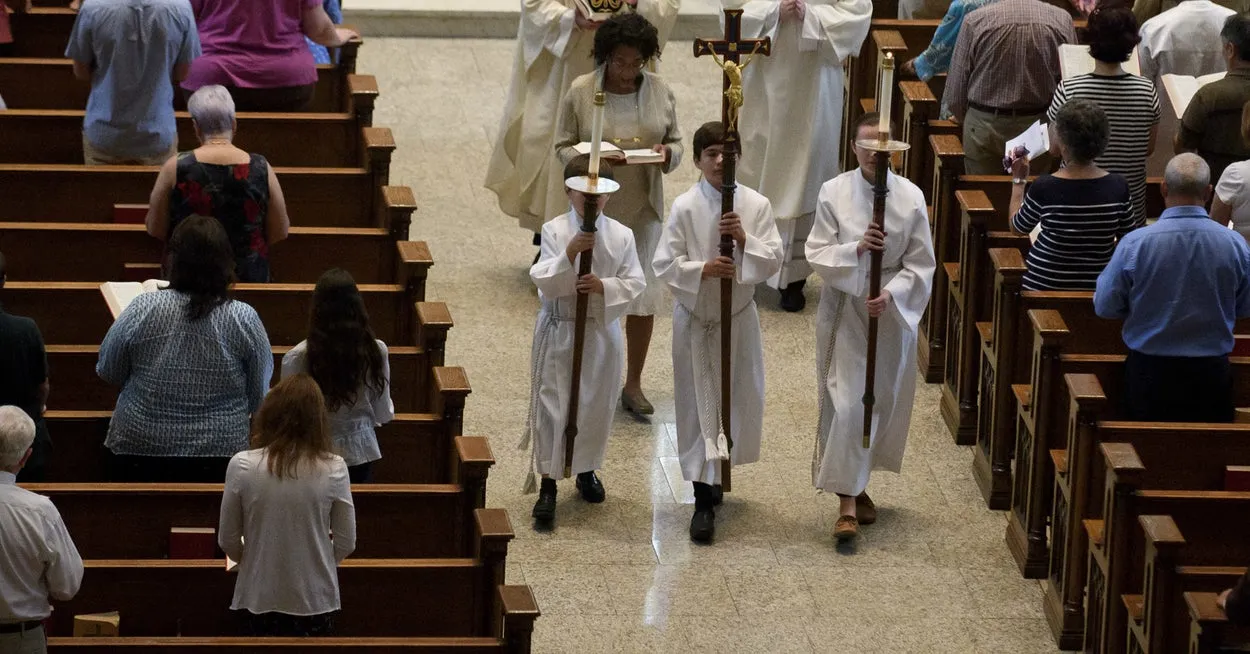
The most notable effect of global migration on parish life is the rapid diversification of congregations. Parishes that once served relatively homogeneous communities now host members from multiple continents, each bringing unique traditions, devotions, and cultural expectations. This diversity enriches parish life, contributing new forms of music, prayer, and celebration that reflect the global nature of the Catholic Church.
Pastors also recognize that migration brings pastoral responsibilities that extend beyond liturgical adaptation. Many migrants face economic hardship, legal uncertainty, language barriers, and emotional stress associated with displacement. Parishes are increasingly offering support through outreach programs, counseling services, and assistance with accessing community resources. This holistic care reflects the Church’s mission to uphold human dignity and accompany individuals during times of transition.
Expanding Multilingual Liturgies and Cultural Integration Efforts
To meet the needs of diverse parish communities, many churches are introducing multilingual liturgies and offering sacramental preparation in multiple languages. This approach helps ensure that all parishioners can participate fully in worship and formation programs. Parishes often collaborate with cultural groups to incorporate music, readings, and traditions that reflect the spiritual heritage of new members.
Integration efforts go beyond liturgy. Parish events, community meals, and cultural celebrations create opportunities for long-term parishioners and newcomers to build relationships. Leaders emphasize that welcoming diversity strengthens parish identity rather than fragmenting it. By fostering unity within cultural variety, parishes model the universal character of the Church.
Strengthening Support Systems for Migrant Families
Migration often places significant pressure on families who must adjust to new environments, navigate legal processes, and rebuild support networks. Parishes play an important role in offering stability and community during these transitions. Programs such as language classes, employment assistance, and youth outreach help families adapt more easily to their surroundings.
Pastoral care teams also provide spiritual and emotional support. Many parishes have trained volunteers who accompany migrants through difficult circumstances, connect them with local services, and offer guidance rooted in compassion and solidarity. These initiatives help ensure that newcomers feel valued and supported within their parish community.
Building Partnerships to Address Wider Social Challenges
As migration continues to reshape parish demographics, many dioceses are forming partnerships with civic organizations, schools, and social service agencies. These collaborations help address broader challenges affecting migrant populations, including housing insecurity, access to healthcare, and educational needs. Working together allows parishes to extend their outreach capabilities and offer more comprehensive assistance.
These partnerships also support advocacy efforts aimed at protecting human rights and promoting policies that respect the dignity of migrants. By engaging with wider community structures, the Church contributes to building social environments where integration and mutual support can flourish.
Conclusion
Global migration trends are reshaping parish life in significant ways, bringing both new opportunities and pastoral responsibilities. Through multilingual liturgies, expanded support programs, cultural integration efforts, and collaborative partnerships, pastors are responding with renewed commitment to welcoming all who seek a spiritual home. These developments highlight the Church’s universal mission and underscore the importance of fostering communities where every person can participate, contribute, and thrive.