
Historic shifts in Vatican economic diplomacy traced across modern eras
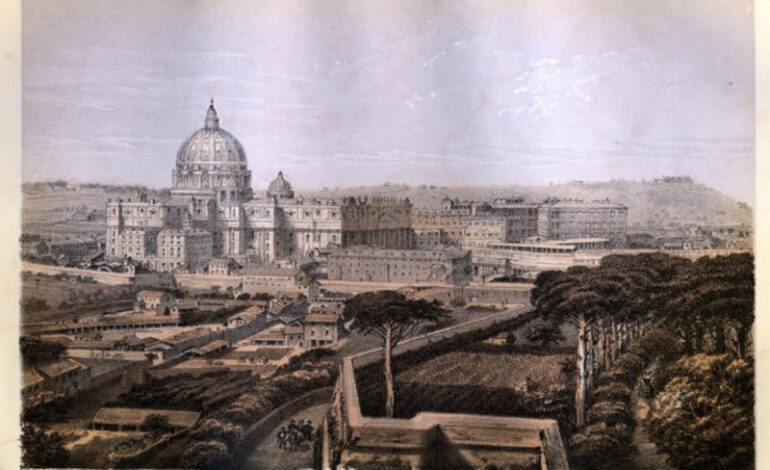

Across its long and complex history, the Vatican has shaped its economic diplomacy through a series of strategic adaptations. These developments were seldom isolated decisions but gradual responses to changing political pressures, global financial transitions, and the internal priorities of the Church. As the world evolved, so did the Church’s understanding of how financial engagement could support spiritual, humanitarian, and administrative responsibilities. This historical arc provides a clearer picture of how the Holy See built a unique financial identity that is both global and distinctively moral.
Modern observers often focus on present-day transparency initiatives, yet the roots of Vatican economic diplomacy extend far beyond recent decades. From negotiations with European powers to international engagement through concordats, treaties, and humanitarian partnerships, the Vatican has navigated shifting global landscapes with an approach that combines diplomacy, economic awareness, and doctrinal principles. Tracing these developments reveals how economic diplomacy became an important tool in maintaining independence, supporting missions, and sustaining global outreach.
The evolution of Vatican financial autonomy
One of the most significant shifts in Vatican economic diplomacy was the move toward structured financial autonomy. This process accelerated in the early twentieth century as the Church faced increasing pressure to formalize its institutions and define its position within global systems. Economic independence was essential not only for operational stability but also for preserving political neutrality. As the Church worked to secure agreements that recognized its sovereignty, financial policies became intertwined with diplomatic goals.
Key historical negotiations helped shape this autonomy. Agreements that established the Vatican City State and defined financial settlements allowed the Holy See to operate with independence while engaging confidently in international affairs. These developments gradually strengthened the Church’s ability to manage resources according to its own principles. They also created an environment in which long-term financial planning could support expanding humanitarian work and global pastoral missions.
Post-war influence and global engagement
Following the major conflicts of the twentieth century, the Vatican adopted a broader economic vision. Many nations were rebuilding and reshaping their economic systems, and the Church became increasingly involved in international discussions that touched on social justice, development, and economic responsibility. Vatican statements during this period often emphasized human dignity, fair labor conditions, and equitable access to resources. These themes helped position the Church as a global moral voice within economic diplomacy.
The Holy See also used its observer status in international organizations to encourage ethical considerations in economic policies. By contributing to debates on debt relief, global inequities, and sustainable development, the Church expanded its influence beyond strictly religious spheres. This approach signaled a shift from defensive financial diplomacy toward proactive engagement with global economic questions.
Late twentieth-century modernization efforts
As financial systems grew more complex, the Vatican sought to update its internal structures to meet modern expectations. New norms, more precise accounting systems, and standardized administrative processes emerged across various offices. These changes reflected a commitment to professionalization while maintaining the values that guide Church governance.
Diplomatic engagements during this era highlighted support for responsible investment strategies and ethical financial practices. The Vatican became more transparent about its goals in an effort to demonstrate how its financial decisions aligned with broader teachings. The modernization efforts also prepared the Church for future challenges by creating a foundation for regulated and accountable economic management.
Contemporary reflections on diplomacy and finance
Today, analysts observe an increased awareness within Church institutions about the connection between credibility and financial conduct. Economic diplomacy continues to evolve through international collaboration, research partnerships, and policy-focused dialogue. The Vatican’s current approach reflects a blend of historical experience and contemporary demands, demonstrating continuity as well as innovation.
While each period introduced new challenges, the core theme throughout modern history has been the pursuit of ethical financial autonomy that supports the Church’s global mission. Historical analysis shows that the Vatican’s economic diplomacy has been carefully developed, shaped by its desire to maintain independence, promote justice, and uphold its spiritual responsibilities while navigating complex global conditions.
Conclusion
From early negotiations that secured financial independence to modern engagement with global economic debates, the Vatican’s economic diplomacy has progressed through distinct historical phases. Each era contributed new tools, policies, and perspectives that strengthened the Church’s ability to manage resources responsibly. Understanding these shifts reveals how the Holy See continues to balance tradition with adaptation as it participates in the financial and diplomatic life of the modern world.