

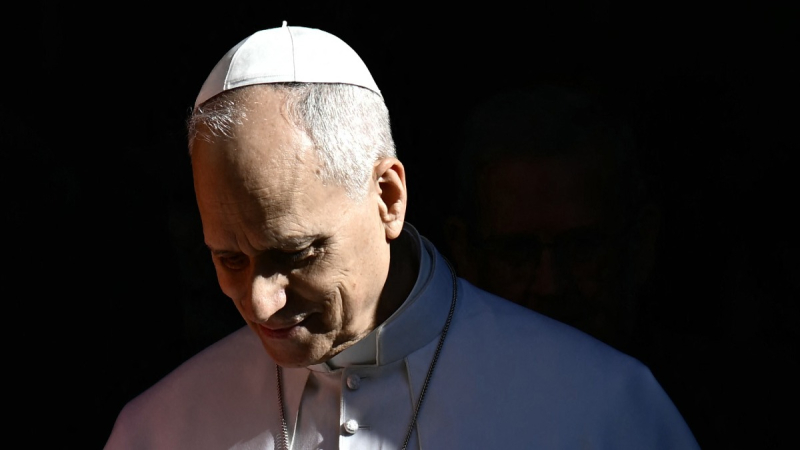
Holy See Outlines 2026 Strategic Priorities: Transparency, Evangelization, and Global Outreach


As global attention turns toward the future of Church governance, the Holy See has detailed its strategic priorities for 2026, centering on transparency, evangelization, and expanded outreach. These priorities align with ongoing institutional reforms while responding to emerging challenges facing the worldwide Catholic community. Church officials emphasize that the new framework is intended to reinforce trust, strengthen pastoral presence, and deepen the Church’s engagement with global partners.
This updated direction also reflects the growing recognition that the Church must adapt its operational models without losing its spiritual and doctrinal foundation. With many regions undergoing political, economic, and social instability, the Holy See aims to position itself as a source of stability, ethical guidance, and cooperative leadership. The 2026 roadmap underscores that institutional clarity and global engagement are not only administrative goals but essential elements of modern mission work.
Transparency and Administrative Reform at the Center of 2026 Agenda
The most emphasized priority is the continuation of administrative transparency across all levels of Church governance. This includes enhancing oversight structures, publishing clearer financial reports, and improving regulatory mechanisms for Vatican institutions. The Holy See has already taken several steps in previous years to refine internal auditing processes, and the 2026 plan indicates a further strengthening of these measures. Transparency is presented not only as a governance requirement but also as a means of cultivating credibility with Catholics worldwide.
Administrative refinement also includes modernizing information systems and reinforcing best practices in personnel management. These improvements aim to support quicker decision making while aligning institutional conduct with the Church’s ethical responsibilities. Officials note that increased transparency contributes directly to pastoral effectiveness because communities are more likely to trust institutions that operate with openness and clarity.
Renewed Global Evangelization Strategy
Evangelization remains a foundational focus, with the 2026 strategy highlighting deeper engagement in regions experiencing rapid demographic growth. This includes strengthening support for local dioceses, expanding formation opportunities, and encouraging digital evangelization that reaches audiences not traditionally connected to the Church. The plan stresses that evangelization must integrate catechesis, social presence, and cultural understanding.
A central component of this approach involves encouraging collaboration between bishops’ conferences and specialized missionary organizations. The goal is to foster consistent messaging rooted in Church teaching while ensuring that pastoral responses are sensitive to cultural contexts. Evangelization is framed as both a spiritual and social mission emphasizing accompaniment, listening, and authentic witness.
Strengthening Diplomatic Presence and Global Partnerships
Global outreach also forms a major part of the Holy See’s upcoming priorities. The Vatican’s diplomatic service plays a unique role in conflict mediation, humanitarian coordination, and international dialogue. The 2026 direction calls for expanded partnerships with global institutions, religious communities, and humanitarian agencies. Diplomats are expected to focus more closely on issues such as migration, peacebuilding, and ecological protection.
These efforts reflect the Church’s longstanding commitment to human dignity and global cooperation. By engaging with international partners, the Holy See aims to advocate for policies that protect vulnerable populations and promote peaceful coexistence. The strategy also identifies the importance of strengthening local presence through nuncios and regional Church leaders who are directly connected to community needs.
Supporting Local Churches in Times of Transition
Another important element of the 2026 plan involves reinforcing support systems for dioceses undergoing demographic decline, leadership transitions, or socioeconomic challenges. This includes providing pastoral resources, governance assistance, and updated formation programs for clergy and lay leaders. Many communities across Europe and parts of the Americas are navigating complex cultural shifts, and the Holy See aims to offer guidance that sustains vitality in parish life.
The emphasis on local support also recognizes the diverse realities of the global Church. While some regions face closures and consolidations, others are experiencing significant growth. The 2026 strategy underscores the need for flexible responses that reflect both regional strengths and challenges.
Conclusion
The Holy See’s strategic priorities for 2026 reveal a clear commitment to transparency, evangelization, and global engagement. By strengthening administrative practices, expanding missionary outreach, enhancing diplomatic cooperation, and supporting local communities, the Church aims to meet contemporary challenges with renewed clarity and purpose. These priorities demonstrate the Vatican’s intention to foster institutional stability while remaining firmly rooted in its spiritual mission.