

Holy See Reaffirms Commitment to Interreligious Cooperation for Global Stability After Pope Francis’s Passing
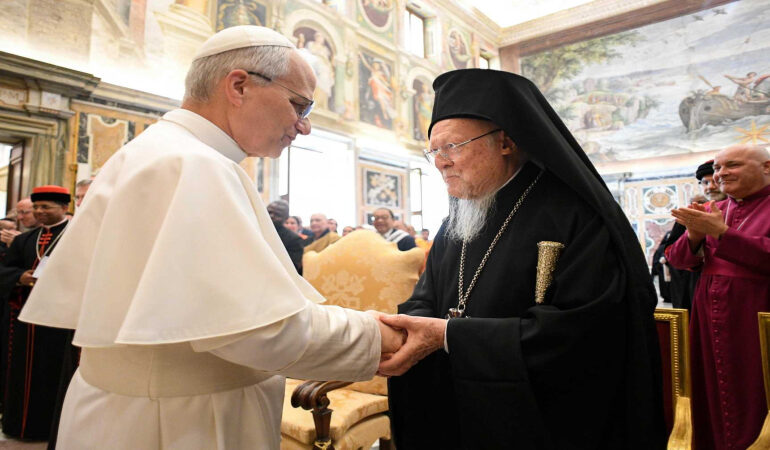

The Holy See has reaffirmed its commitment to strengthening interreligious cooperation as a vital path toward global stability following the passing of Pope Francis. His decades of emphasis on dialogue, respect and shared moral responsibility continue to guide the Church’s diplomatic and pastoral approach. In this period of transition, Church officials highlight that cooperation between faith traditions remains essential as many regions confront conflict, polarization and humanitarian strain.
The renewed statement emphasizes continuity, noting that the values Pope Francis championed are now deeply integrated into the Church’s global mission. As communities around the world reflect on his legacy, interreligious collaboration stands out as one of the most influential pillars of his leadership. The Holy See encourages faith communities to uphold these principles as a source of unity during a time of international uncertainty.
The enduring importance of interreligious dialogue
The Holy See underscores that genuine dialogue between religious traditions is foundational for building peace. Dialogue helps resolve misunderstandings, encourages mutual respect and fosters environments where conflict can be prevented. These efforts reflect the Church’s belief that faith communities can influence not only spiritual life but also the social dynamics that shape global stability.
Interreligious dialogue remains a priority because it brings together diverse voices to address shared concerns such as violence, discrimination and humanitarian crises. This approach aligns with the direction set during Pope Francis’s pontificate and ensures that his commitment to bridge building continues to shape the international work of the Church.
Shared values as a basis for cooperation
A central point in the Holy See’s message is that cooperation begins with values common across religious traditions. Respect for human dignity, compassion for those who suffer and responsibility toward vulnerable populations remain unifying principles. These shared values provide solid ground for coordinated initiatives that offer practical support in areas affected by conflict, displacement or poverty.
The Church highlights that moral leadership is most effective when expressed collectively. When religious leaders speak and act together, they strengthen public trust and promote social cohesion. By renewing these commitments, the Holy See aims to strengthen collaborative humanitarian efforts that uplift communities in need.
Responding to global challenges through unity
The Holy See notes that global crises increasingly demand a unified response. Violence, forced migration and social fragmentation place immense strain on societies, making cooperative action more necessary than ever. Isolation or competition among faith communities only deepens division, while unity helps protect human life and promote long term recovery.
Interreligious cooperation contributes to peacebuilding initiatives that support regions facing instability. Shared humanitarian projects, educational programs and community engagement activities help rebuild trust and create foundations for lasting peace. These coordinated actions express the Church’s belief that faith must serve the well being of all people.
Continuing Pope Francis’s legacy through action
Church leaders have emphasized that preserving the legacy of Pope Francis requires translating his principles into ongoing commitment. His dedication to building bridges across religious, cultural and political divides reshaped the Church’s approach to global engagement. Maintaining this direction honors his vision and ensures that his work continues to bear fruit.
The Holy See encourages all faith communities to reflect on how cooperation can deepen mutual understanding and inspire meaningful social change. By continuing initiatives rooted in compassion and shared responsibility, religious traditions can help create environments where peace is possible even in difficult circumstances.
Conclusion
The Holy See’s reaffirmation of interreligious cooperation after the passing of Pope Francis reflects a commitment to preserving the values he championed. Through continued dialogue, shared humanitarian efforts and collective engagement with global challenges, the Church seeks to contribute to a more peaceful and united world.