
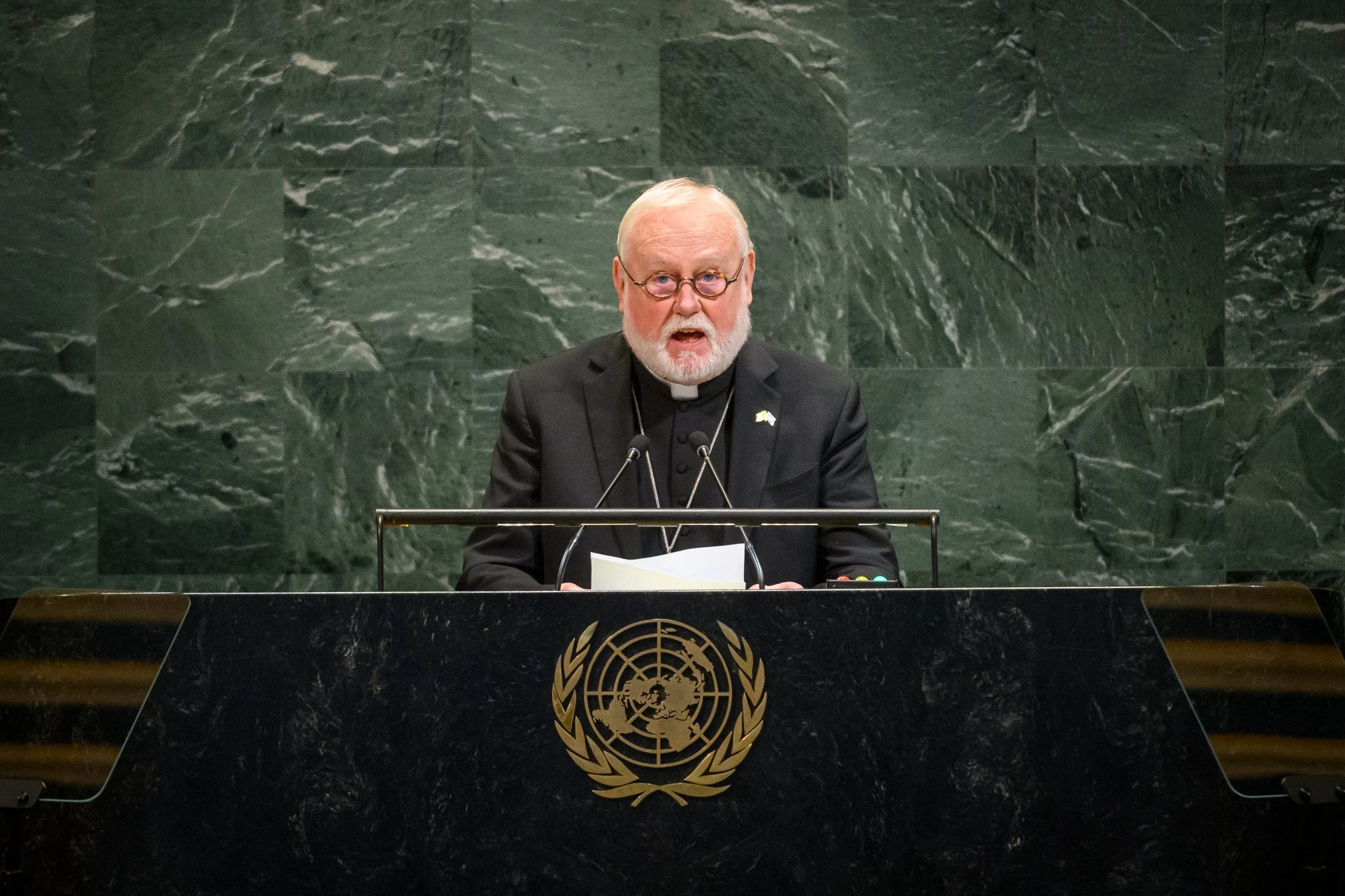
Holy See Reframes Religious Freedom Agenda in New Global Policy Direction
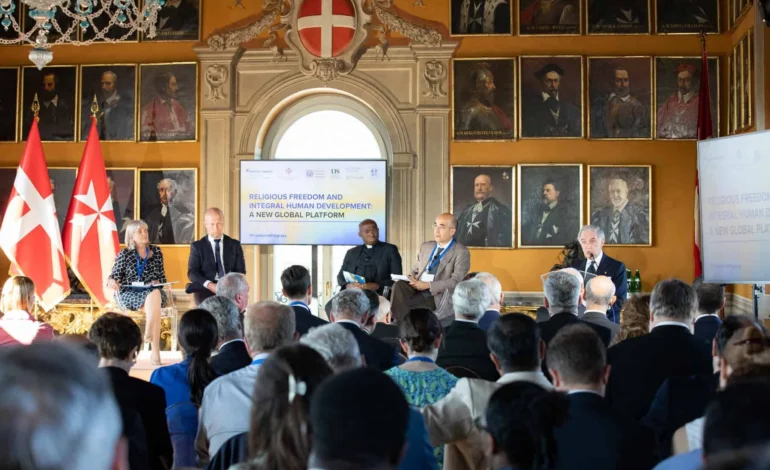

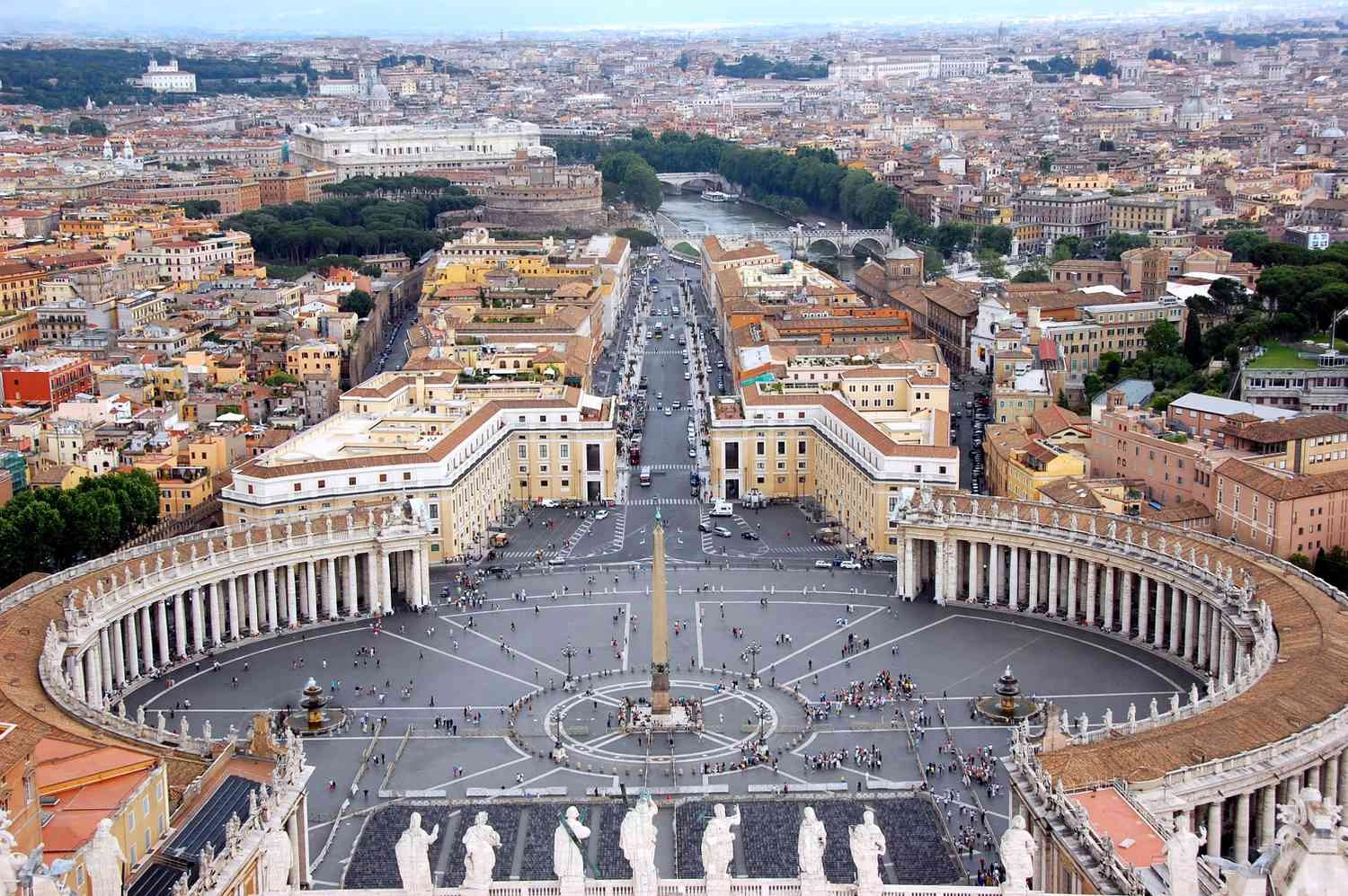
The Holy See is advancing a renewed global strategy focused on religious freedom, signaling a shift from reactive statements to structured international engagement. As religious tensions increasingly influence political stability, the Vatican is positioning freedom of belief as a core pillar of its diplomatic agenda rather than a purely moral stance.
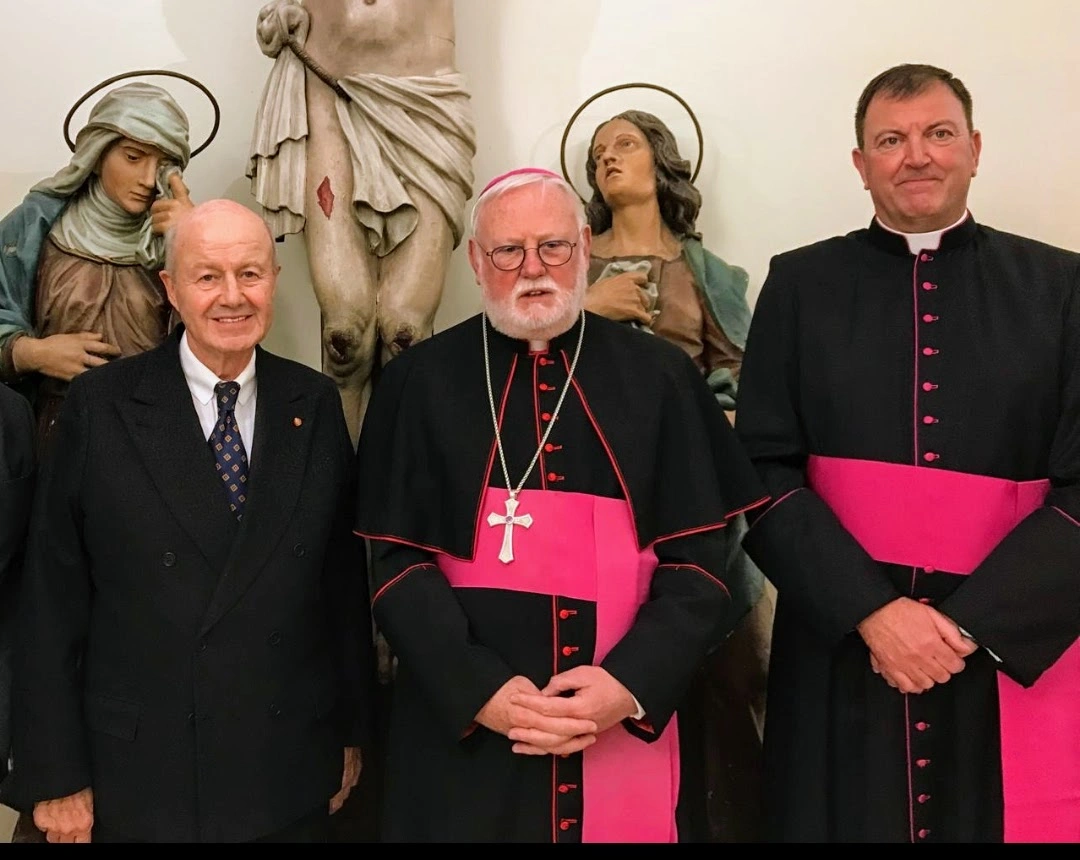
Recent developments show the Vatican moving toward a policy-driven framework where religious freedom is tied directly to global governance, human rights, and conflict prevention. Officials within the Roman Curia are aligning institutional efforts to ensure that advocacy for religious rights is coordinated with broader diplomatic initiatives, creating a unified global voice.
Across multiple regions, including Africa and the Middle East, restrictions on religious practices and identity-based conflicts are intensifying. Coverage from Reuters and BBC highlights how these pressures are reshaping international relations. The Vatican’s response reflects an understanding that religious freedom is no longer an isolated issue but one deeply connected to political stability and economic development.
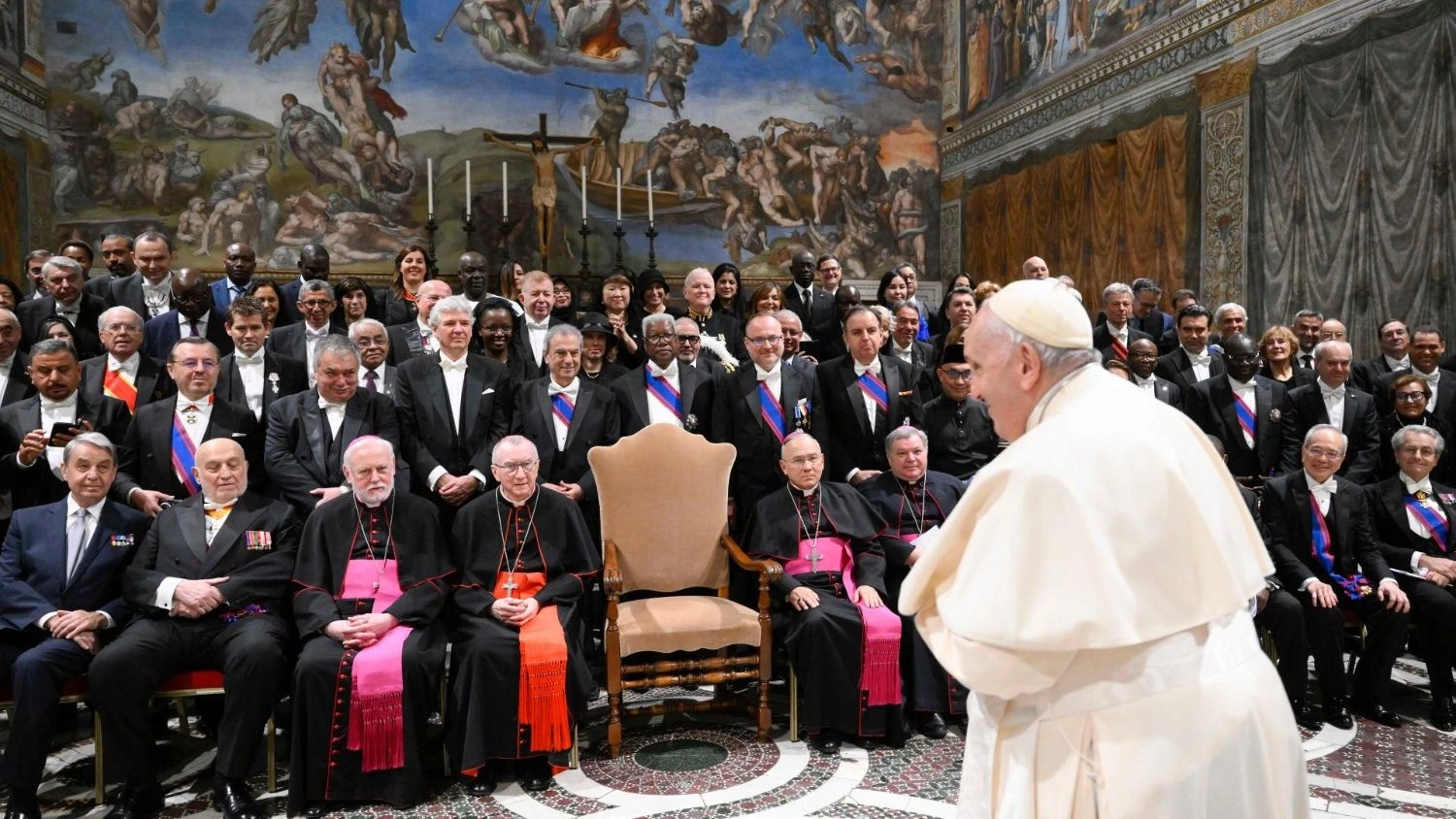
Under Pope Francis, the Church has expanded its engagement with governments and international institutions, emphasizing dialogue over confrontation. This approach prioritizes long-term cooperation, encouraging states to adopt policies that protect minority rights while maintaining social cohesion. It also reinforces the Vatican’s role as a mediator capable of bridging ideological divides.
The strategy includes increased participation in multilateral discussions where religious freedom intersects with migration, security, and humanitarian concerns. By integrating faith-based considerations into these conversations, the Vatican is influencing how global institutions approach complex challenges that extend beyond traditional policy boundaries.
At the same time, the Vatican is strengthening interfaith collaboration as a practical tool for promoting religious freedom. Partnerships with leaders from different religious traditions are being used to create shared frameworks that reduce tensions and foster mutual understanding. These efforts aim to establish common ground in regions where religious divisions have historically contributed to conflict.
Internally, coordination across Vatican departments is being enhanced to ensure that religious freedom advocacy aligns with diplomatic messaging. This alignment reflects a more disciplined approach to global engagement, where consistency and clarity are essential for maintaining influence on the international stage.
Digital communication has further strengthened this effort, allowing the Vatican to respond rapidly to emerging issues and amplify its policy positions worldwide. Through online platforms and global media outreach, the Holy See is expanding its reach and reinforcing its presence in discussions surrounding human rights and religious policy.
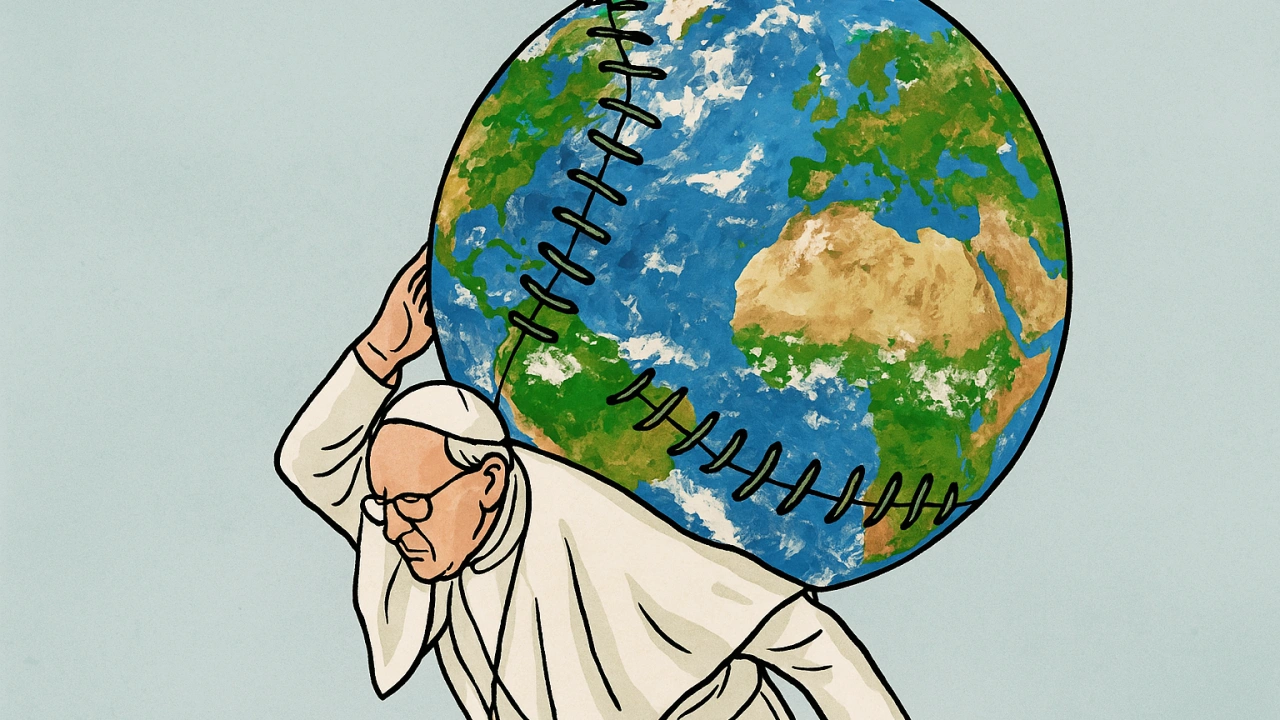
As global challenges continue to evolve, the Vatican’s reframed approach to religious freedom suggests a long-term commitment to integrating faith into international policy frameworks. The shift underscores a broader transformation in how religion is perceived not only as a spiritual force but as a key element shaping diplomacy, governance, and global stability.