
The Holy See has renewed its appeal for an immediate global moratorium on the development of lethal autonomous weapons systems, warning that the weaponization of artificial intelligence is deepening a moral crisis in international affairs.
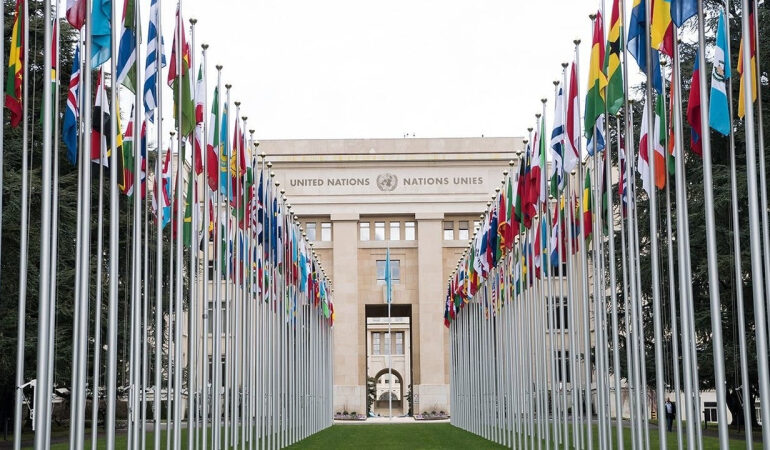
Addressing the high level segment of the United Nations Conference on Disarmament in Geneva, Msgr. Daniel Pacho, Undersecretary for the Multilateral Sector of the Secretariat of State, said humanity stands at a critical juncture. He cautioned that diplomacy rooted in dialogue and consensus is increasingly being replaced by approaches based on force and strategic rivalry.
The Vatican intervention comes at a time when several major powers are accelerating investment in artificial intelligence for military purposes. Recent policy shifts in the United States and other technologically advanced nations have emphasized integrating AI and autonomous systems into defense planning, operational tactics, and weapons development.
Msgr. Pacho expressed concern that multilateral institutions created after the Second World War to prevent large scale conflict are struggling to fulfill their mission. He noted that the Conference on Disarmament, once instrumental in negotiating major arms control treaties, has faced prolonged deadlock in recent years. According to the Holy See, this paralysis risks undermining collective efforts to address emerging threats.
Focusing specifically on artificial intelligence, the Vatican representative warned that new technologies are transforming not only daily life but also the nature of warfare. As military systems become increasingly automated, there is a danger that decisions involving life and death could be delegated to machines.
When autonomous weapons effectively become the combatants, he said, the uniquely human capacity for moral judgment and ethical discernment is diminished. The removal of direct human responsibility from the use of force could lower the threshold for armed conflict and weaken accountability.
For this reason, the Holy See insists that meaningful human control must always remain central in decisions involving the use of force. Msgr. Pacho reiterated the Vatican’s longstanding position that a moratorium on the development and deployment of lethal autonomous weapons systems should be established without delay.
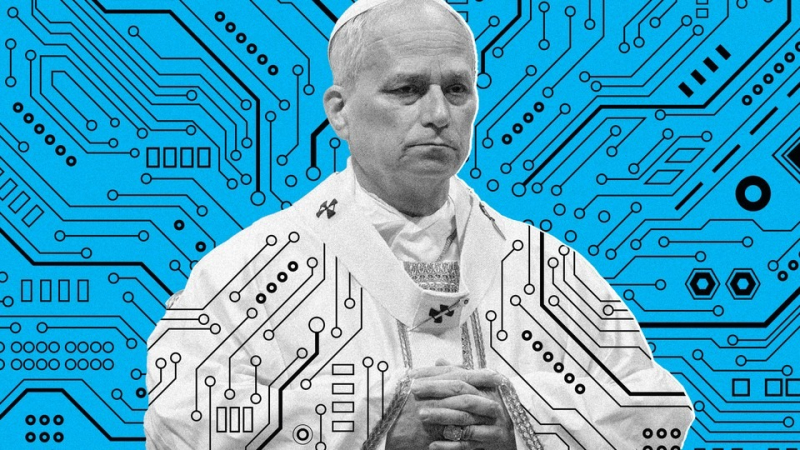
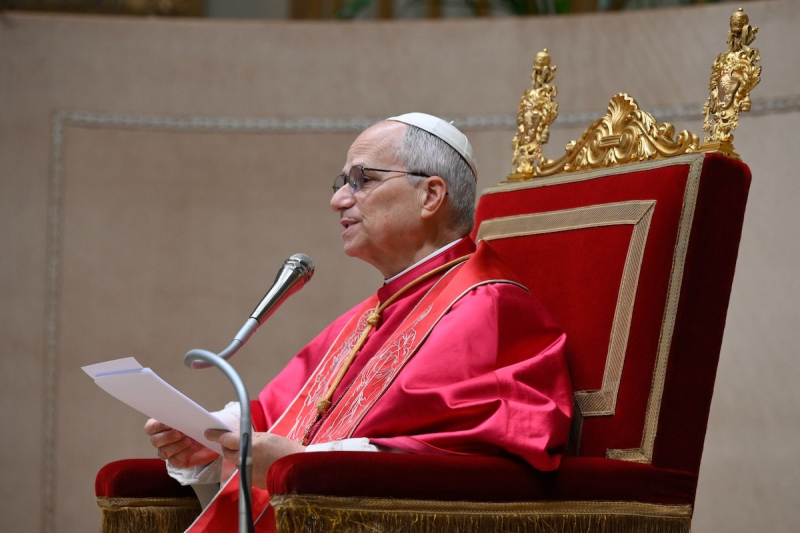
The appeal reflects broader concerns expressed by Pope Leo XIV about the ethical implications of rapid technological advancement. The Holy See argues that innovation must serve human dignity and the common good, rather than contribute to an arms race driven by fear and competition.
By calling for restraint and renewed multilateral engagement, the Vatican is urging governments to ensure that artificial intelligence does not become another arena of unchecked militarization. In the face of expanding defense budgets and accelerating technological capabilities, the Holy See continues to frame disarmament as both a moral imperative and a necessary step toward authentic and lasting peace.