

Holy See Urges Greater Inclusion and Protection of Rights for People with Down Syndrome

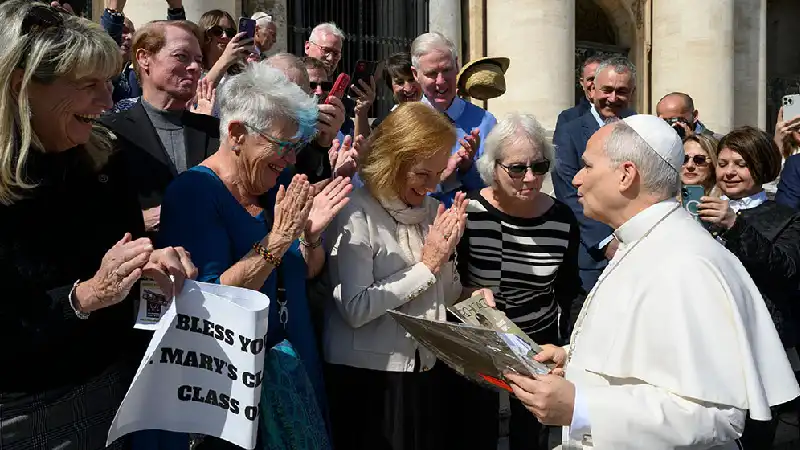
The Holy See has called for stronger global efforts to promote inclusion and protect the dignity of people with Down syndrome, emphasizing that every human life holds equal value regardless of condition or ability. Speaking at an international event marking World Down Syndrome Day, Church representatives highlighted the need to move beyond limited perceptions and ensure that individuals are recognized as full members of society. The message reflects a broader commitment to defending human dignity at all stages of life, while addressing growing ethical concerns surrounding medical practices and social attitudes toward genetic conditions.
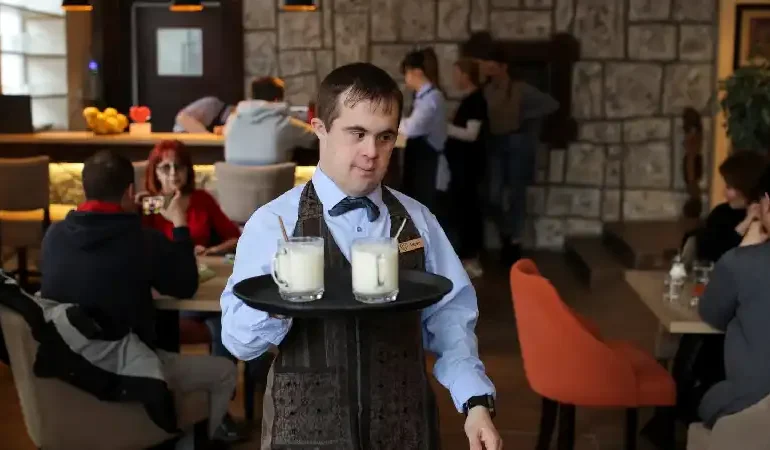
Church officials stressed that inclusion must go beyond providing services and instead focus on recognizing individuals with Down syndrome as equal participants in community life. They noted that fundamental rights apply to every person without exception, calling for a shift in how societies approach disability. This perspective encourages greater acceptance and integration, ensuring that individuals are not defined by limitations but valued for their inherent worth. The emphasis on belonging highlights the importance of building environments where dignity is upheld through both policy and daily interaction.
A key concern raised during the discussion was the rise of practices linked to prenatal screening and selective termination of pregnancies involving diagnosed conditions. Church representatives strongly rejected such approaches, describing them as discriminatory and incompatible with the principle of equal human value. They called for renewed commitment to protecting life and ensuring that medical advancements do not undermine ethical responsibility. The message underscored that progress in science must remain aligned with respect for human dignity, particularly when addressing vulnerable populations.
Speakers also highlighted the role of families, caregivers, and institutions in supporting individuals with Down syndrome, recognizing their ongoing contributions to care and inclusion worldwide. They stressed that while systems of support are essential, they must be grounded in compassion and human connection. Without this, care risks becoming impersonal and disconnected from the deeper needs of individuals. The discussion reinforced the idea that quality of life is shaped not only by access to services but by the presence of understanding, empathy, and meaningful relationships.
The call for inclusion reflects a wider effort to promote a culture that values every person beyond measures of productivity or achievement. Church leaders emphasized that human worth cannot be reduced to performance or social utility but is rooted in the simple reality of existence. As global conversations around rights and inclusion continue to evolve, the message highlights the need for collective responsibility in building societies that recognize and respect the uniqueness of every individual, ensuring that no one is excluded or marginalized due to their condition.