


Holy Week Tradition in Mexico Sees Bird Vendors Carry Symbolic Towers Through Streets Amid Growing Debate
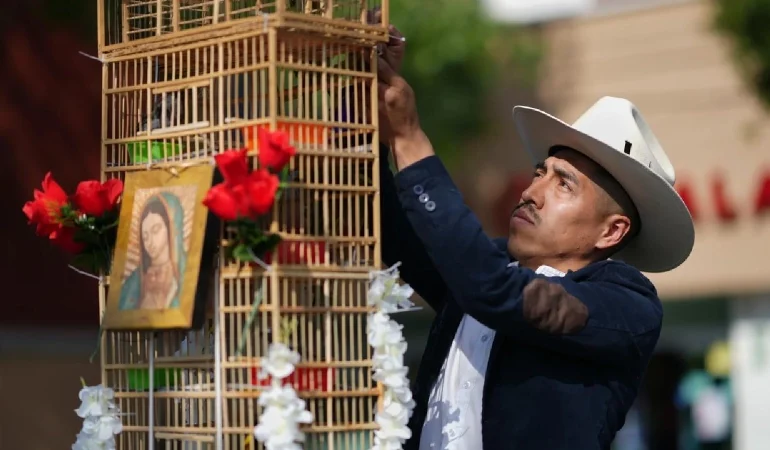

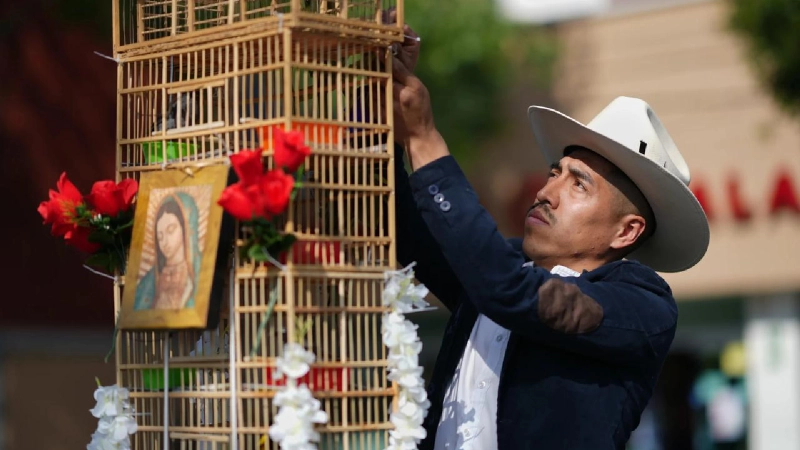
In Mexico, a unique Holy Week tradition continues to unfold as bird vendors known as pajareros carry towering stacks of cages filled with colorful birds through the streets, blending faith, culture, and community expression. The practice, which reaches its peak during Palm Sunday, draws hundreds of participants who travel long distances to Mexico City, transforming public spaces into vibrant displays of devotion. For many, the sound of birdsong accompanying these processions is not only a cultural symbol but also a reflection of spiritual celebration tied to one of the most important periods in the Catholic calendar.
The tradition is deeply rooted in generations of street vendors who have long been part of Mexico’s informal economy. Participants often build elaborate towers of cages, sometimes rising more than ten feet high, decorated with flowers, religious images, and symbols of the Virgin of Guadalupe. Families walk together through the capital toward the Basilica of Guadalupe, one of the most significant pilgrimage sites in the country. For individuals like longtime vendor Cruz Monroy, the tradition represents both livelihood and identity, passed down through family lines and sustained by a strong sense of cultural continuity.
Beyond its visual impact, the practice carries spiritual meaning for those involved, as participants view their journey as an offering during Holy Week. The melodies of birds accompany prayers and reflection, creating an atmosphere that merges everyday work with religious devotion. Vendors describe the experience as a way of bringing joy to others while also honoring their faith, reinforcing the connection between local traditions and broader Catholic practices. This blending of spirituality and daily life highlights how faith continues to shape cultural expressions in communities across Mexico.
However, the tradition is increasingly facing challenges from both regulatory authorities and animal rights advocates. Critics argue that keeping birds in cages for sale constitutes a form of animal exploitation, while authorities have introduced restrictions aimed at protecting wildlife, particularly species considered native and endangered. These pressures have led to a decline in the number of active vendors, raising concerns about the future of the practice. Many pajareros insist that they comply with regulations by breeding permitted species and caring responsibly for their animals, but the scrutiny remains significant.
The tension between preserving cultural heritage and addressing ethical concerns has become a defining issue surrounding the tradition. Supporters argue that the practice represents an important aspect of Mexican identity and religious life, while opponents emphasize the need for stronger protections for animals. This debate reflects broader global discussions about how traditional practices adapt in response to changing social values, particularly when they intersect with issues of environmental responsibility and animal welfare.
For many families involved, the uncertainty surrounding the future of bird vending is already shaping their decisions. Some vendors acknowledge that the profession no longer offers stability, especially as enforcement measures increase and public criticism grows. As a result, younger generations are often encouraged to pursue alternative livelihoods, signaling a gradual shift away from a tradition that once defined entire communities. Despite this, those who continue to participate remain committed to preserving the spiritual and cultural meaning behind the practice.
As Holy Week celebrations continue each year, the presence of pajareros in Mexico’s streets serves as both a symbol of enduring faith and a reminder of traditions under pressure. Their processions toward the Basilica of Guadalupe reflect a unique intersection of devotion, identity, and livelihood, even as the future of this centuries old custom remains uncertain in a rapidly changing social and regulatory landscape.