



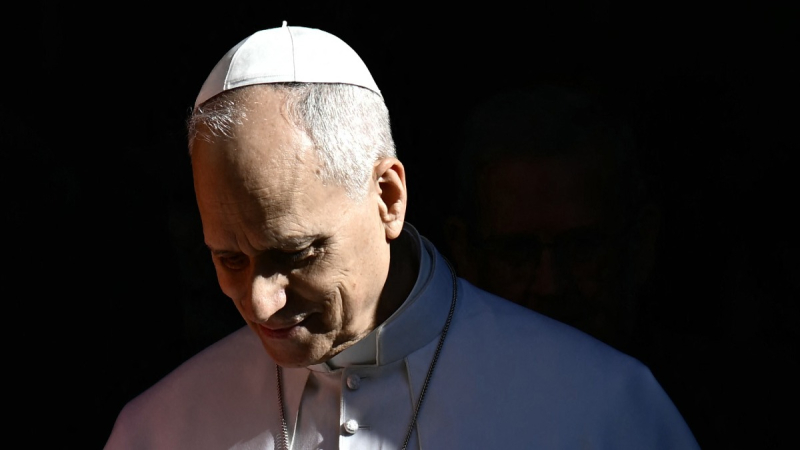
How Catholic Theology Responds to Emerging Digital Age Moral Questions


The rapid evolution of digital technology has created new moral and social questions that were unimagined only a generation ago. Artificial intelligence, digital identity, data collection, virtual relationships, and online communication now shape daily life. These developments influence how people understand themselves, relate to others, and engage with broader society. As these issues become more prominent, Catholic theology continues offering guidance rooted in long standing principles while addressing the unique realities of the digital age.
Throughout 2024 and 2025, theologians and Church leaders have expanded discussions on the moral implications of digital culture. The Church recognizes the benefits technology can provide, while also examining the ethical concerns that arise when digital systems impact privacy, human behavior, and social interaction. These reflections aim to help the faithful navigate modern challenges with clarity and responsibility.
Preserving Human Dignity in a Technologically Driven World
A central question in digital age ethics is how new technologies affect human dignity. Catholic theology emphasizes that every person has inherent worth that must not be reduced to data, algorithms, or digital profiles. As digital systems increasingly influence decision making, the Church warns against practices that treat individuals as objects within automated processes.
This teaching becomes particularly relevant in discussions about artificial intelligence. While AI can support education, healthcare, and communication, Catholic thinkers caution that it must remain subordinate to human judgment. Decisions affecting welfare, personal rights, or moral responsibility should always prioritize human oversight. The Church consistently teaches that technological convenience must never override the value of the person.
Digital identity also raises concerns, especially when individuals face pressure to conform to online expectations or experience psychological harm from social media environments. Catholic theology encourages responsible engagement with digital spaces, promoting authenticity and healthy boundaries that protect mental and spiritual well being.
Ethical Challenges Surrounding Data, Privacy, and Manipulation
The widespread use of data collection and surveillance technologies has prompted new ethical reflections within the Church. Catholic teaching affirms that personal information must be handled with respect for individual rights and transparency. Misuse of data or systems that manipulate behavior undermine human freedom and dignity.
The Church’s concern extends to digital marketing and content algorithms that exploit emotional responses or reinforce harmful patterns. Theological discussions emphasize the importance of truth, honesty, and the protection of vulnerable users, especially young people who may be more susceptible to digital manipulation.
Efforts to safeguard privacy are encouraged not only at the governmental level but also within families and communities. The Church urges responsible digital habits that protect individuals from harmful exposure and reinforce respect for personal boundaries.
Virtual Relationships and the Meaning of Human Connection
Another important topic addressed by Catholic theology is the nature of human relationships in the digital era. Virtual communication has enabled people to connect across vast distances, yet it also introduces challenges to authentic relationships. The Church teaches that deeper connections require presence, empathy, and genuine interaction, which can be diminished when relationships are mediated solely through screens.
Pastoral leaders emphasize that digital communication can support community life but should not replace embodied relationships. Online engagement is encouraged when it promotes solidarity, education, and spiritual support. However, the Church warns against isolation or the substitution of virtual interaction for real human contact. This guidance becomes increasingly important as digital environments continue shaping social interaction.
Discernment in an Age of Rapid Digital Innovation
Catholic theology encourages discernment as individuals navigate the ethical implications of digital innovation. Discernment involves evaluating how technology influences habits, relationships, and moral choices. The Church promotes reflection on questions such as whether technology enhances human flourishing or encourages patterns that weaken responsibility or moral awareness.
The Church also urges families, educators, and faith communities to play an active role in forming digital literacy. This includes teaching responsible use, critical thinking, and ethical awareness. Developing these skills helps ensure that technology serves the good of the person rather than becoming a source of confusion or moral compromise.
Environmental considerations also influence digital ethics, as technological production contributes to global ecological concerns. Catholic teaching encourages responsible use and sustainability awareness in digital consumption patterns.
Conclusion
Catholic theology responds to digital age moral questions by grounding new concerns in long standing principles of human dignity, freedom, and moral responsibility. Through guidance on artificial intelligence, privacy, digital relationships, and ethical discernment, the Church helps the faithful navigate technological change with wisdom and integrity. These reflections provide a clear framework for engaging the digital world while safeguarding the values that define authentic human life.