



How Christian Finance Models Adapt to Digital Accountability

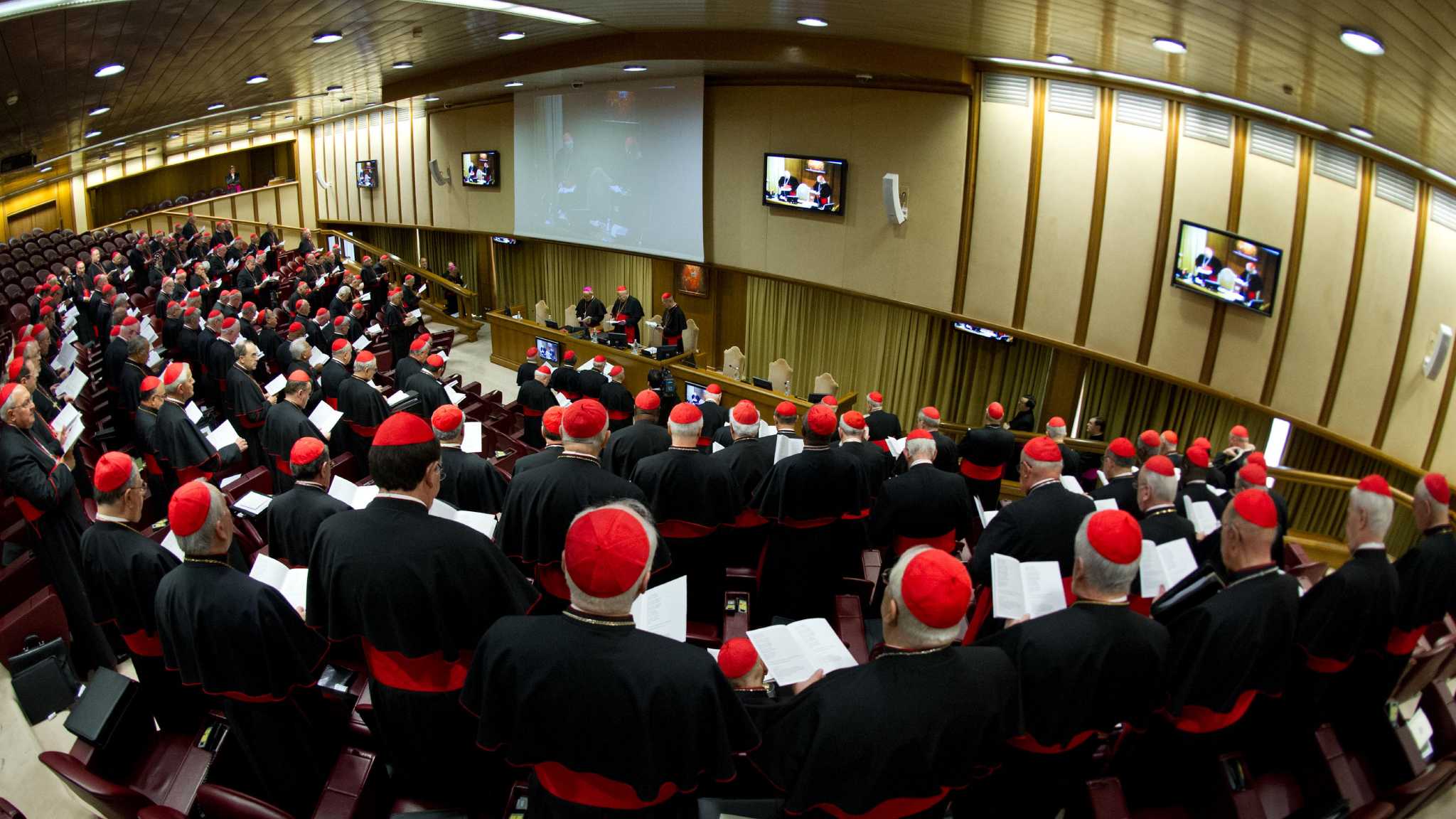
Christian institutions around the world are increasingly adopting new financial practices to remain transparent and responsible in a rapidly shifting digital environment. As technological oversight becomes standard in global markets, faith aligned organizations have begun reassessing their traditional methods of tracking resources, evaluating investments, and reporting financial outcomes. This transition reflects not only external pressure from regulatory bodies but also internal expectations from believers who seek clarity and accountability in institutional stewardship.
Digital accountability has become essential for maintaining trust among communities that support mission based programs. Many church institutions oversee schools, hospitals, charitable initiatives, and large administrative structures that depend on careful budgeting. By integrating digital systems that provide clear, accessible financial data, Christian organizations can demonstrate a commitment to responsible governance while reinforcing ethical values that guide their decisions.
Integrating Digital Oversight Into Existing Finance Models
The most important development in this transformation is the integration of digital oversight into long standing financial frameworks. Christian institutions traditionally relied on localized record keeping and person to person reporting, which often varied widely across regions. Digital systems now allow for standardized documentation, real time monitoring, and more precise evaluations of financial performance. These tools help ensure that spending is justified, that investments remain aligned with mission goals, and that assets are managed according to global best practices.
This shift has also encouraged leadership teams to develop clearer internal guidelines on how resources should be tracked and communicated. Where earlier methods allowed discrepancies or delays, digital practices provide a more complete and timely overview of how funds move across departments and projects. The ability to review this information quickly reduces risk and strengthens confidence among both administrators and community members.
Improving Compliance Across Church Institutions
Another major benefit of digital accountability involves improved compliance with local and international regulations. As financial laws evolve and reporting standards become more rigorous, Christian finance models must keep pace to avoid administrative challenges. Digital systems can automatically organize records, track required disclosures, and highlight areas that may require corrective action. This helps institutions maintain credibility with external agencies while providing reassurance to internal stakeholders.
Compliance tools also help identify inefficiencies that may not be visible during manual reviews. By surfacing irregularities early, institutions can correct issues before they become significant obstacles. This not only protects resources but also supports long term planning by ensuring that financial practices remain aligned with ethical and regulatory expectations.
Enhancing Transparency for Donors and Communities
Transparency has become a central priority for Christian organizations seeking to strengthen relationships with donors and local communities. Individuals who contribute to church missions increasingly want to understand how their support is used and what outcomes are achieved. Digital accountability makes it possible to share clear summaries, impact reports, and financial data in formats that are easy to understand.
By providing accessible information, institutions show respect for the trust placed in them. This openness can also inspire greater participation, as donors feel more confident when they see evidence of responsible management. Transparency reinforces the connection between financial decisions and the broader mission of serving communities, supporting education, and advancing humanitarian programs.
Supporting Global Coordination Through Shared Systems
Christian institutions operate across many countries, each with its own financial environment, cultural expectations, and administrative challenges. Digital accountability helps unify these diverse operations through shared systems that encourage consistent standards. When financial data is organized in similar formats across regions, leadership can coordinate more effectively and identify which areas may require support or restructuring.
Shared systems also promote knowledge exchange between institutions. Successful models tested in one region can be adapted in another, improving overall efficiency. This collective approach ensures that local practices remain connected to global goals while preserving the unique needs of each community.
Conclusion
Christian finance models are adapting to digital accountability to strengthen transparency, improve compliance, and enhance global coordination. By integrating modern tools into long standing frameworks, faith aligned institutions demonstrate a commitment to responsible stewardship and ethical governance. These efforts help maintain trust and ensure that financial resources continue to support mission driven work across the world.