

How Faith Continues to Shape Cultural Identity in a Secular Century


The twenty first century is often described as a secular age, marked by declining religious affiliation and increasing emphasis on individual belief. Despite this shift, faith continues to play a meaningful role in shaping cultural identity across societies. Its influence remains visible in values, traditions, and shared moral language that persist even where formal religious practice has declined.
Rather than disappearing, faith has adapted to new cultural contexts. It continues to inform how communities understand belonging, purpose, and responsibility. Even in secular environments, religious heritage shapes collective memory and cultural expression, revealing the enduring presence of faith in public life.
Faith as a Cultural Foundation
Faith traditions have long provided societies with moral frameworks, rituals, and shared narratives. These elements contribute to cultural cohesion by offering common reference points. Even when belief becomes more personal, these inherited structures continue to shape collective identity.
Religious festivals, symbols, and ethical values often remain embedded in cultural life. They influence art, language, and social customs in ways that persist beyond active worship. Faith becomes part of cultural inheritance rather than solely a matter of individual conviction.
This foundation allows communities to maintain continuity amid change. Cultural identity shaped by faith provides a sense of rootedness, connecting present generations with their historical past.
Secularization Without Cultural Erasure
Secularization does not necessarily eliminate religious influence. In many societies, it changes how faith is expressed rather than removing it entirely. Moral concepts such as dignity, justice, and compassion often reflect religious origins, even when expressed in secular terms.
Faith continues to shape public values by influencing discussions about ethics and social responsibility. These contributions are not always labeled religious, yet their origins remain deeply connected to spiritual traditions. This subtle influence demonstrates how faith adapts within secular frameworks.
Rather than being erased, faith becomes woven into broader cultural narratives. Its presence is quieter but no less significant, shaping attitudes and expectations across generations.
Faith, Identity, and Community Belonging
Faith plays a key role in shaping personal and communal identity. It offers narratives that help individuals understand who they are and where they belong. These narratives foster a sense of continuity and shared meaning within communities.
Even among those who do not actively practice religion, faith based identity often influences family traditions and moral outlook. Cultural memory preserves religious influence through stories, symbols, and collective experiences.
This sense of belonging becomes especially important in diverse societies. Faith traditions provide continuity and shared language that support social cohesion without requiring uniform belief.
Global Expressions of Faith and Culture
In a globalized world, faith continues to shape cultural identity in diverse ways. Different societies integrate religious heritage according to their history and social context. This diversity demonstrates the adaptability of faith across cultures.
Global migration has also contributed to renewed visibility of faith in cultural identity. Religious communities often serve as centers of support and cultural preservation for migrant populations. Through these communities, faith remains a living influence rather than a historical artifact.
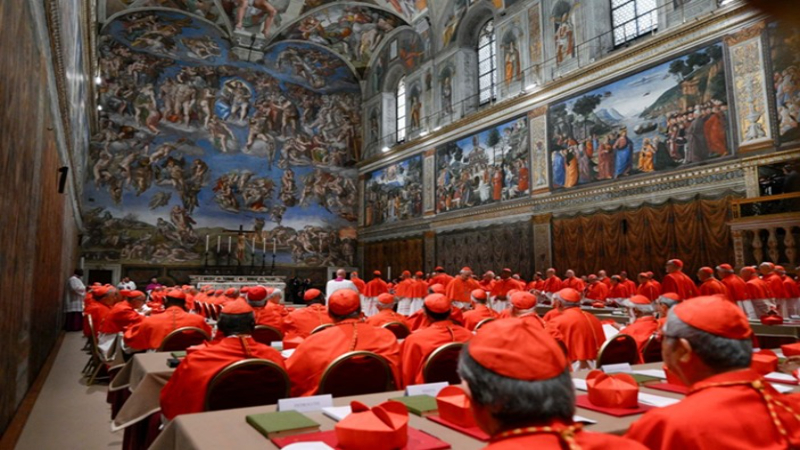
The global Church reflects this diversity, showing how faith can unite distinct cultures while respecting their unique expressions. This balance strengthens cultural identity while maintaining shared values.
Conclusion
Faith continues to shape cultural identity even within a secular century. Through values, traditions, and shared memory, it influences how societies understand belonging and purpose. Rather than fading, faith adapts to new contexts, offering continuity and meaning in a changing cultural landscape.