

How Faith-Inspired Cultural Movements Are Reshaping Public Discourse in Secular Democracies
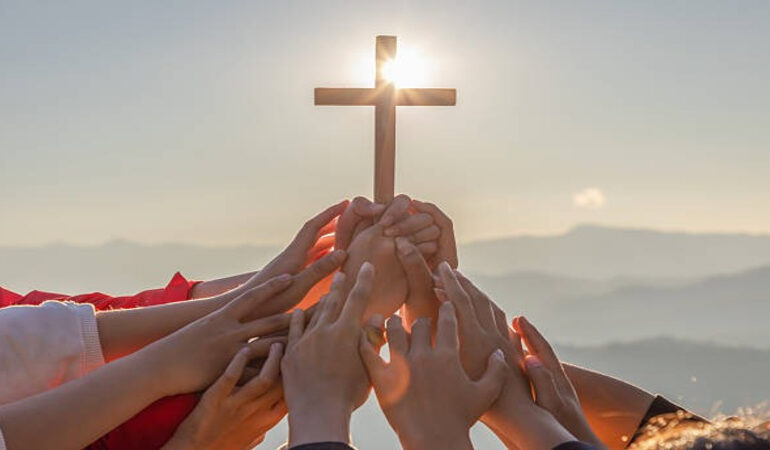

Faith inspired cultural movements are gaining renewed visibility across many secular democracies, influencing conversations about identity, moral responsibility and the role of communities in public life. While secular institutions continue to shape policy frameworks, faith driven groups are increasingly contributing to cultural dialogues that address social justice, human dignity and the common good. Their presence demonstrates that religious perspectives remain relevant sources of meaning and ethical reflection even in societies where public life is largely separated from formal religious authority.
These movements emerge in various forms, from artistic initiatives and educational programs to advocacy networks and community based projects. Their influence lies not in political control but in their ability to articulate moral questions that resonate with people navigating uncertainty, rapid cultural change and social fragmentation.
The Growing Visibility of Faith Driven Narratives in Public Conversations
The most significant shift in recent years is the increasing visibility of narratives shaped by religious values within mainstream public discourse. Faith inspired movements often highlight themes such as compassion, solidarity, environmental stewardship and protection of vulnerable populations. These values appeal not only to religious believers but also to many individuals seeking ethical foundations in a rapidly changing world.
Public discourse in secular democracies frequently centers on questions of identity, purpose and social cohesion. Faith driven cultural movements contribute by offering perspectives rooted in long standing traditions that emphasize community and shared responsibility. This helps broaden discussions beyond purely political or economic frameworks.
In many cases, these movements engage with themes that secular institutions may overlook, such as spiritual wellbeing, the importance of forgiveness or the moral dimensions of technological advancement. Their ability to frame issues in human centered terms strengthens their relevance in modern debates.
The rising visibility of these movements also reflects the growing recognition that secular public spheres benefit from diverse viewpoints. Even in societies that maintain strong institutional separation between religion and politics, cultural expressions of faith can enrich public understanding.
Expanding Engagement Through Art, Media and Community Initiatives
Faith inspired cultural movements often reach broad audiences through creative expression. Art, film, music and digital media provide platforms that allow individuals to explore spiritual themes in accessible ways. These forms of expression invite dialogue and reflection without requiring formal religious participation.
Community initiatives also play an important role. Local organizations rooted in faith traditions often focus on supporting families, assisting migrants, combating poverty and addressing environmental concerns. Their work reflects values that resonate widely and contributes visibly to the social fabric of secular democracies.
These initiatives create spaces where people from diverse backgrounds can collaborate on shared goals. This collaboration fosters relationships that reduce polarization and encourage mutual understanding, demonstrating how cultural movements grounded in faith can contribute to social harmony.
Addressing Ethical Questions in Modern Society
Modern democracies face ethical challenges related to technology, economic inequality, environmental crises and cultural fragmentation. Faith inspired cultural movements often bring moral clarity to these debates by focusing on dignity, justice and the importance of community.
For example, movements focused on ecological responsibility draw from religious teachings that emphasize stewardship of creation. These teachings help shape public attitudes toward sustainability and long term environmental planning. Similarly, advocacy efforts centered on human dignity encourage discussions about fair treatment, respect for life and equitable access to resources.
These contributions demonstrate that ethical perspectives rooted in faith can complement secular analysis. They provide moral grounding that helps communities navigate complex issues with deeper reflection.
Bridging Divides in Polarized Societies
In an era marked by social and political polarization, faith inspired cultural movements can serve as bridges across differing viewpoints. Their emphasis on listening, reconciliation and shared moral vision helps create opportunities for dialogue even when public conversations become contentious.
Many such movements promote collaboration across ideological boundaries, focusing on common goals rather than partisan alignment. This approach supports social cohesion and reinforces the importance of civic responsibility within democratic societies.
Conclusion
Faith inspired cultural movements are reshaping public discourse in secular democracies by offering ethical perspectives, fostering community engagement and promoting dialogue across social divides. Their influence reflects a growing desire for moral grounding in the face of cultural change and demonstrates how religious values continue to contribute meaningfully to public life.