
How Global Catholic Communities Interpret Change Differently
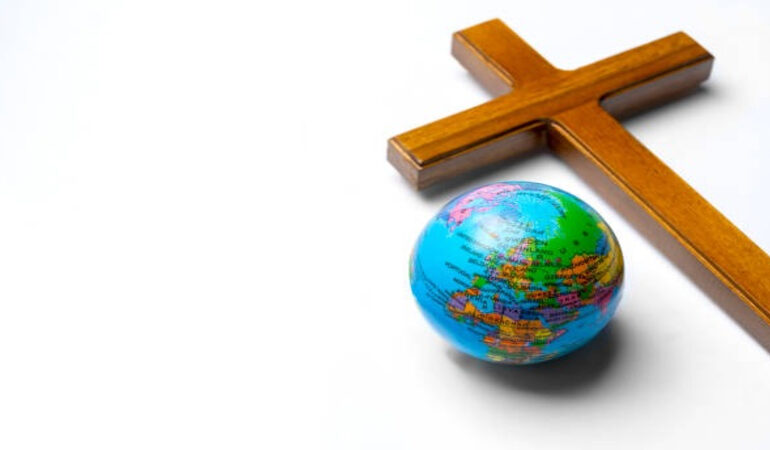

The Catholic Church is often described as a single global institution, yet its lived experience varies widely across regions. Cultural context, historical memory, and social conditions all shape how Catholic communities respond to change. While doctrine provides unity, interpretation and emphasis differ according to local realities.
As the Church engages with a rapidly changing world, these differences become more visible. What feels urgent in one region may be secondary in another. Understanding how global Catholic communities interpret change differently reveals not division, but the complexity of a truly universal Church.
Cultural Context Shapes Interpretation
Catholic communities do not exist in isolation from their cultural environments. Local history, political experience, and social structures influence how change is understood and received. In some regions, change is associated with opportunity and renewal, while in others it may be linked to instability or loss.
These perspectives affect how pastoral priorities are set. Communities facing social conflict may emphasize solidarity and reconciliation, while those in stable contexts may focus on personal formation and spiritual depth. Cultural context shapes not belief itself, but how belief is lived and expressed.
This diversity highlights the Church’s adaptability. By allowing local interpretation within a shared faith, the Church remains responsive without losing coherence.
Historical Experience and Collective Memory
Historical experience plays a significant role in shaping how Catholic communities approach change. Regions that have experienced persecution or political upheaval often interpret change cautiously. Stability and continuity become valued as safeguards of identity and faith.
In contrast, communities shaped by migration or social transformation may be more open to adaptation. Change is seen as part of survival and growth rather than disruption. These differing experiences influence expectations of Church leadership and pastoral direction.
Collective memory informs how communities evaluate new developments. The same change may be welcomed or resisted depending on historical context. This diversity of response reflects lived experience, not doctrinal disagreement.
Social Challenges and Pastoral Priorities
Social conditions also influence how Catholic communities interpret change. Economic inequality, demographic shifts, and social tension shape pastoral needs. Communities facing hardship often prioritize social support and moral advocacy.
In regions where secularization is advanced, change may be interpreted as a challenge to faith identity. Communities respond by emphasizing formation and community life. Elsewhere, growth and participation shape a more outward looking approach.
These varied priorities demonstrate the Church’s pastoral flexibility. Change is addressed through local discernment while remaining anchored in shared teaching. This balance allows the Church to respond meaningfully across diverse settings.
Unity Within Global Diversity
Despite differing interpretations, global Catholic communities remain united through shared belief and sacramental life. Diversity of response does not weaken unity but enriches it. The Church’s universality is expressed through this coexistence of perspectives.
Global dialogue within the Church allows communities to learn from one another. Experiences of growth, challenge, and renewal offer insight beyond local boundaries. This exchange strengthens the Church’s collective understanding of change.
Unity does not require uniform response. By respecting legitimate diversity, the Church affirms that faith can be lived authentically in many cultural forms while remaining one community.
Conclusion
Global Catholic communities interpret change through the lens of culture, history, and social reality. These differences reflect the Church’s universal character rather than division. By holding unity and diversity together, the Church continues to engage a changing world with depth, resilience, and shared purpose.