

How Historic Investment Shifts Shaped the Modern Vatican Economy


The Vatican’s economic landscape has been shaped by centuries of institutional change, evolving financial pressures, and new approaches to global asset management. While the Holy See’s spiritual authority is rooted in tradition, its financial practices have continuously adjusted to political transitions, shifting diplomatic relationships, and the growing complexity of international markets. Understanding these historical movements helps explain how modern Vatican finance operates today, especially as transparency and ethical oversight continue to be major areas of global attention.
Across the centuries, the Vatican has moved from a land-based economic model to a diversified financial structure that depends on investments, donations, and administrative income. The changing patterns of revenue have often mirrored broader world events. Wars, restructurings, and the rise of global banking all influenced how the Church organized its economic resources. These shifts not only redefined the Vatican’s financial strategy but also strengthened its ability to sustain global ministries, charitable work, and governance functions.
The transition from territorial wealth to modern portfolio management
For much of its early history, the Vatican relied on land holdings and the economic privileges associated with territorial governance. However, the loss of the Papal States in the 19th century forced a complete reevaluation of its financial base. The Lateran Treaty of 1929 provided monetary compensation, marking a transformative moment in Vatican economic history. With a substantial settlement in hand, the Vatican entered the world of modern investment for the first time.
This shift required a move toward more structured and data-informed portfolio management. Over time, Vatican institutions began diversifying assets to balance stability, growth, and ethical responsibility. The emergence of specialized offices to oversee investments allowed the Church to navigate a world increasingly defined by markets rather than territory. As global financial networks expanded, the Vatican’s investment philosophy grew more sophisticated, reflecting both economic necessity and long-term mission planning.
The rise of ethical investment principles
As financial systems became more complex, Vatican decision-makers recognized the need for investment practices aligned with Catholic social teaching. Ethical considerations became central, influencing whether certain industries or financial instruments were appropriate for Church involvement. This emphasis provided structure to investment decisions and reinforced moral accountability in a global economic environment that often prioritizes profit above all else.
Modern guidelines emphasize social impact, responsible investing, and support for initiatives that benefit communities. These guiding principles helped the Vatican participate in global markets without compromising its theological and social commitments. Ethical frameworks also helped define the Vatican’s stance on emerging sectors such as digital payments, environmental sustainability, and corporate responsibility.
Organizational reforms and financial oversight
Over the past several decades, multiple reforms have sought to modernize Vatican finance, strengthen oversight, and enhance international cooperation. These initiatives addressed long-standing concerns about governance, transparency, and administrative coordination. Consolidated reporting structures, updated regulatory policies, and efforts to improve financial literacy among key offices all contributed to these changes.
International standards increasingly shaped Vatican operations as global banking regulations evolved. Engaging with these standards required internal adjustments but ultimately improved stability. Overseeing diversified assets, monitoring compliance, and maintaining accountability became central responsibilities for Vatican financial authorities. These reforms also supported the Church’s broader mission by strengthening trust in its stewardship of resources.
Globalization and modern economic realities
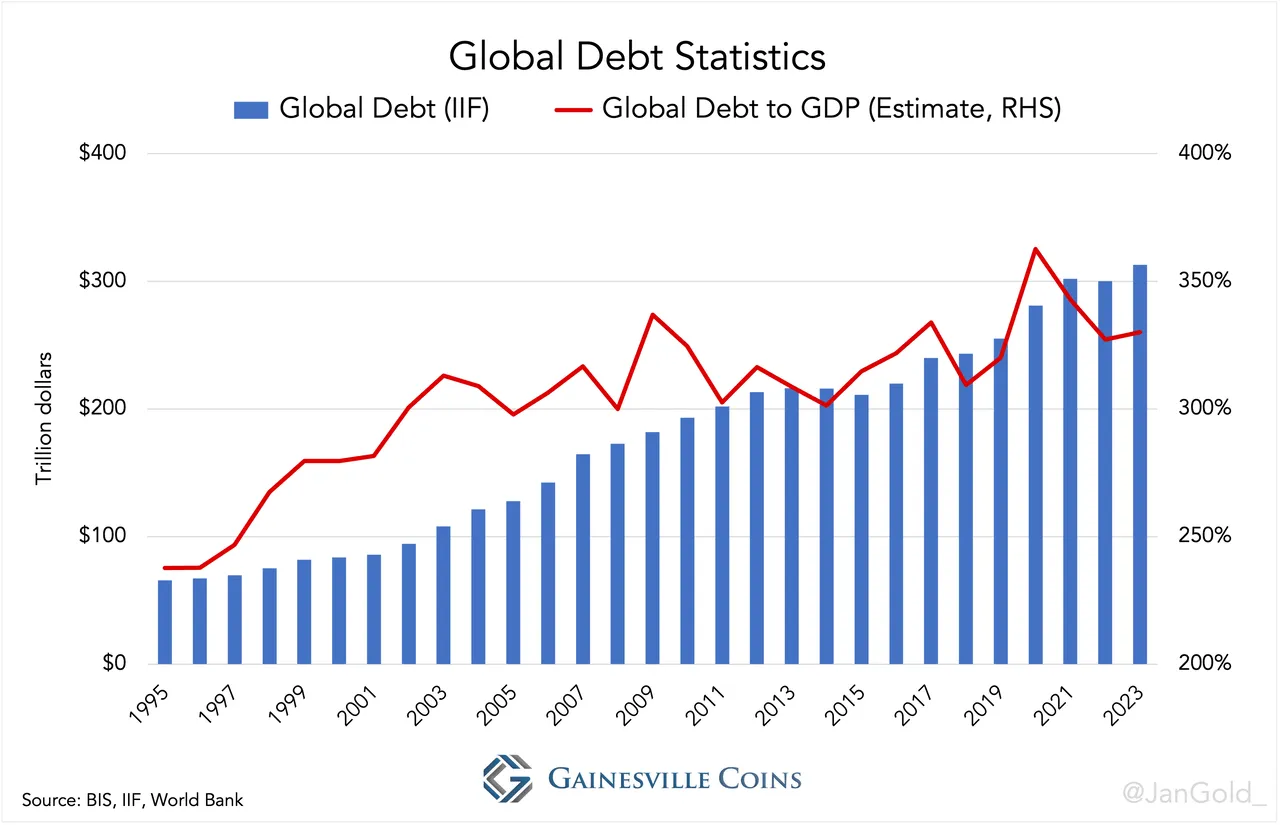
In recent decades, globalization has exerted strong influence on Vatican economic strategy. Interconnected markets, international partnerships, and rapid information transfer required a more agile financial approach. Navigating currency fluctuations, assessing geopolitical shifts, and understanding global economic cycles became essential. These realities encouraged the Vatican to refine its analytical frameworks and use data-driven tools to make informed decisions.
As the Church’s global footprint expanded, so did the scale and complexity of its financial obligations. Investments now support not only administrative functions but also worldwide humanitarian and educational initiatives. This broader mission highlights why historical investment shifts remain relevant today. They laid the groundwork for contemporary financial structures that enable the Vatican to operate effectively in an interconnected world.
Conclusion
The Vatican’s modern economic system reflects centuries of transformation, shaped by political changes, ethical values, and evolving financial realities. From territorial wealth to diversified global investments, each historical shift prepared the Church for new challenges and responsibilities. These developments created the foundation of today’s Vatican economy, where governance, ethics, and global awareness remain central to financial decision-making.