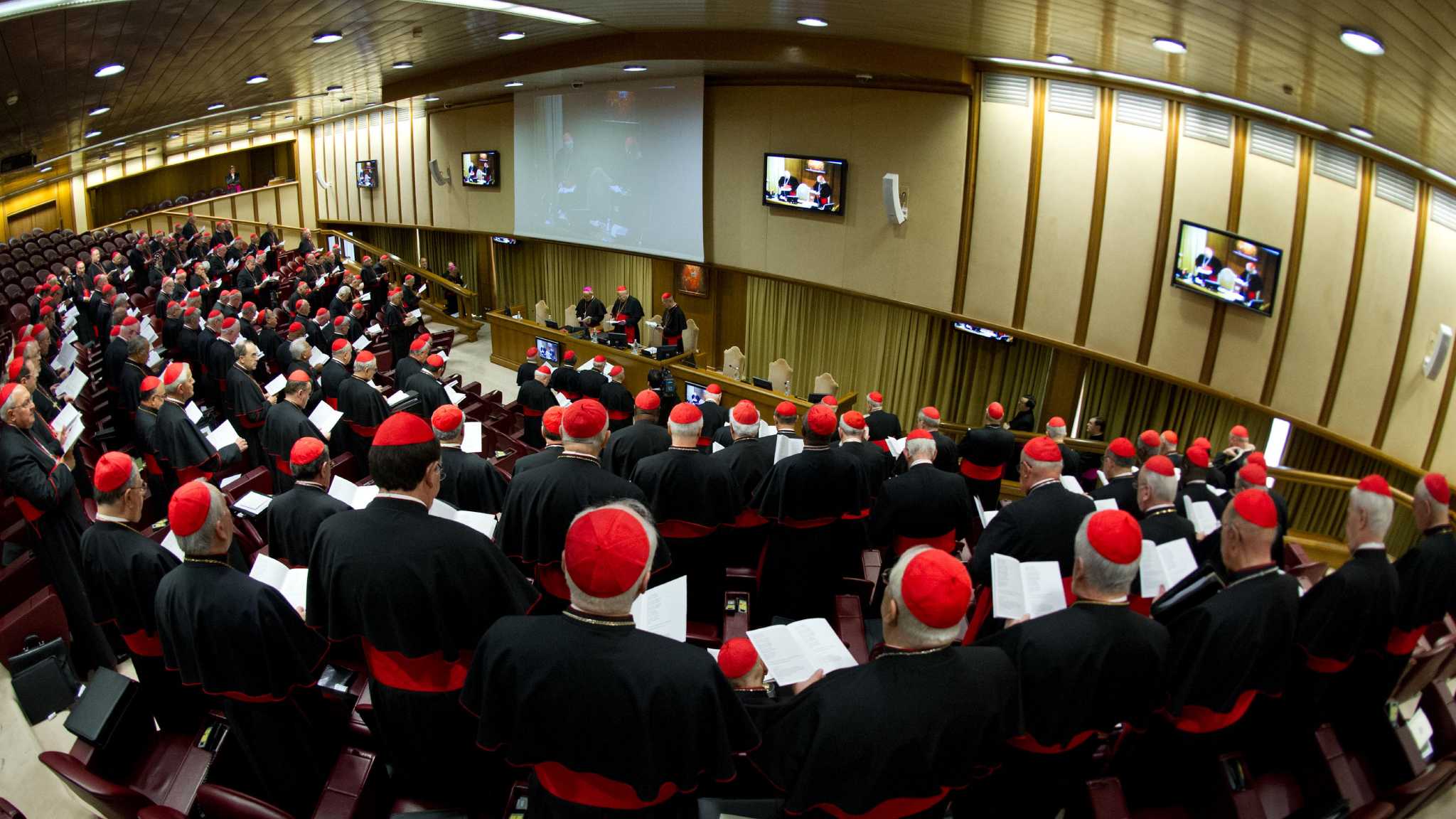
How Legal Pressures Are Reshaping Church Diplomacy
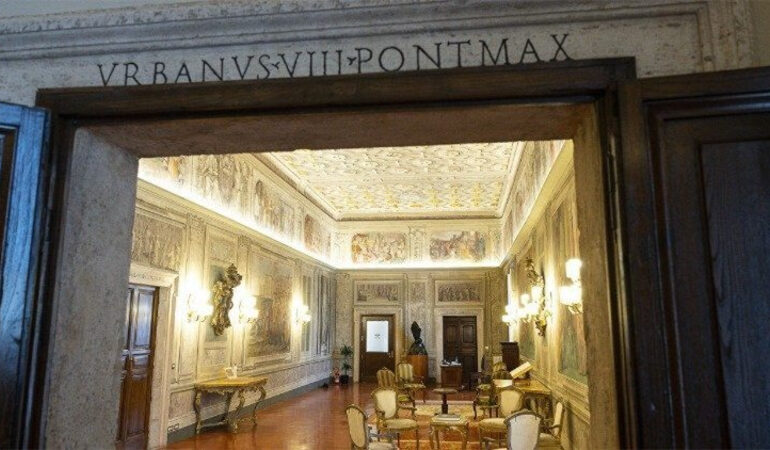

Church diplomacy has traditionally relied on moral authority, historical presence, and long-standing relationships with states. Today, however, that landscape is changing. Legal pressures related to regulation, compliance, and jurisdiction increasingly shape how governments engage with religious institutions. These pressures are quietly but significantly reshaping how the Vatican conducts diplomacy.
Under the leadership of Pope Leo XIV, the Holy See has adapted its diplomatic posture to account for these realities. Rather than relying primarily on moral appeal, Church diplomacy now operates with heightened legal awareness. This shift reflects a pragmatic response to a world where legal frameworks often define the limits of engagement.
Law as a Central Factor in Modern Diplomacy
Legal considerations have become central to diplomatic engagement for the Holy See. Issues involving property rights, charitable status, education policy, and religious freedom are increasingly governed by detailed legal frameworks rather than informal agreements.
As a result, Church diplomacy must navigate complex regulatory environments. Diplomatic conversations now involve legal interpretation as much as moral principle. This does not diminish the Church’s ethical voice but requires it to be articulated in legally intelligible ways.
Recognizing law as a defining factor allows the Vatican to engage more effectively with states that prioritize regulatory compliance and legal clarity.
Shifting From Moral Appeal to Legal Argument
While moral authority remains central to the Church’s identity, diplomatic effectiveness increasingly depends on legal argumentation. The Vatican has strengthened its engagement with international law and constitutional principles to defend religious freedom and institutional autonomy.
Legal reasoning allows the Holy See to communicate its positions in terms that secular institutions recognize. This approach reduces the risk of dismissal and enhances credibility in legal and diplomatic forums.
By framing concerns within legal frameworks, the Vatican preserves space for moral engagement while operating effectively within secular systems.
Adapting Diplomatic Strategy to Regulatory Pressure
Legal pressure often takes the form of regulatory scrutiny rather than direct confrontation. Governments may impose requirements affecting Church institutions through administrative processes rather than explicit opposition.
Church diplomacy has adapted by focusing on early engagement. Identifying regulatory risks before they escalate allows for negotiation rather than conflict. This proactive posture reflects a strategic shift toward prevention rather than reaction.
Such adaptation protects Church institutions from abrupt disruption. It also signals seriousness and professionalism in diplomatic engagement.
Supporting Local Churches Through Diplomatic Channels
Legal pressures are often felt most acutely at the local level. Dioceses, schools, and charities operate within national legal systems that may limit religious expression or autonomy. Church diplomacy increasingly aims to support these local institutions.
The Holy See provides legal guidance and diplomatic backing to local churches facing regulatory challenges. This coordination strengthens the global Church’s capacity to respond consistently while respecting national contexts.
By aligning diplomacy with legal support, the Vatican ensures that global advocacy translates into local protection.
Preserving Neutrality Amid Legal Conflict
One risk of increased legal engagement is political entanglement. Legal disputes can quickly become politicized, especially in polarized environments. The Vatican has responded by maintaining strict neutrality in partisan contexts.
This neutrality protects diplomatic credibility. By engaging law rather than politics, the Holy See preserves its role as a principled interlocutor rather than a political actor.
Neutrality also supports internal unity. Catholics across political divides can recognize the Church’s engagement as institutional rather than partisan.
Long Term Implications for Church Diplomacy
The growing influence of legal pressure suggests that Church diplomacy will continue to evolve. Legal literacy, regulatory awareness, and institutional coordination are becoming essential diplomatic tools.
This evolution does not replace moral witness but complements it. By engaging law effectively, the Vatican strengthens its ability to protect religious freedom and institutional mission over time.
Church diplomacy, shaped by legal realities, becomes more resilient and adaptable in a complex global environment.
Conclusion
Legal pressures are reshaping Church diplomacy by redefining how the Vatican engages with states. Through legal argumentation, proactive regulation management, and support for local churches, the Holy See is adapting its diplomatic strategy. This shift ensures that moral authority remains effective within a world increasingly governed by law rather than custom.