
How Past Papal Transitions Have Shaped the Modern Catholic Church
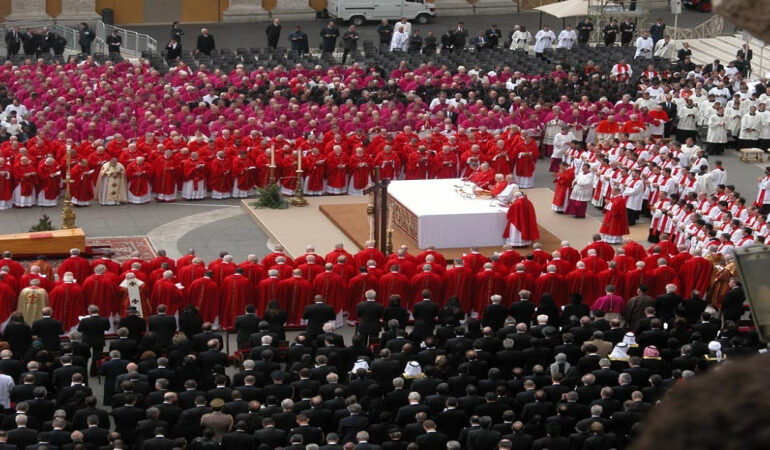

Papal transitions have long served as defining moments in the life of the Catholic Church. Each change in leadership brings not only a new pope, but a period of reflection on continuity, authority, and direction. In the modern era, these transitions have taken place amid global communication, cultural change, and heightened public attention, shaping how the Church understands itself and engages the world.
Rather than simply marking the end of one pontificate and the beginning of another, papal transitions often influence governance, pastoral priorities, and public perception. Over time, these moments have contributed to the evolution of the modern Catholic Church, revealing how leadership change can both preserve tradition and encourage renewal.
Papal Transition as a Moment of Continuity
Historically, papal transitions have emphasized continuity within the Church. Despite differing personalities and pastoral styles, the office of the pope has remained a symbol of unity and doctrinal stability. Modern transitions have reinforced this continuity by highlighting the enduring role of the papacy as a guardian of faith and moral teaching.
This emphasis reassures the faithful that leadership change does not disrupt the Church’s core mission. Even as new priorities emerge, continuity provides a stable framework within which renewal can occur. The preservation of tradition during transition has been central to maintaining trust across generations.
Shifts in Pastoral Emphasis
While continuity remains essential, past papal transitions have also introduced shifts in pastoral emphasis. Different popes have brought distinct perspectives shaped by their experiences, regions, and historical context. These differences have influenced how the Church addresses social issues, evangelization, and engagement with the modern world.
Such shifts do not alter doctrine, but they affect tone and focus. Over time, these changes have allowed the Church to respond more effectively to emerging challenges. Past transitions demonstrate how pastoral emphasis can evolve without compromising foundational beliefs.
Governance and Institutional Development
Papal transitions have played a role in shaping modern Church governance. Changes in leadership often prompt evaluation of administrative structures, communication practices, and institutional priorities. These periods of reassessment have contributed to gradual development within Vatican governance.
In the modern era, greater transparency and coordination have become increasingly important. Past transitions have influenced how the Vatican interacts with bishops’ conferences and global institutions. These developments reflect an ongoing effort to align governance with the Church’s expanding global presence.
Public Perception and Global Engagement
Modern papal transitions unfold under intense public scrutiny. Media coverage and global communication have amplified their impact, shaping public perception of the Church. These moments often become opportunities to reaffirm moral teaching and clarify the Church’s role in global conversations.
Transitions also influence diplomatic and interreligious engagement. New pontificates often bring renewed emphasis on dialogue and cooperation. Over time, this has strengthened the Church’s presence in international affairs while reinforcing its moral voice.
Lessons From Historical Transitions
Looking back at past transitions reveals recurring themes of patience, discernment, and responsibility. Successful transitions have balanced respect for tradition with openness to renewal. They demonstrate that leadership change, when approached thoughtfully, can strengthen rather than unsettle the Church.
These historical moments remind the faithful that the Church’s resilience lies in its ability to adapt while remaining anchored in faith. Papal transitions serve as reminders of continuity within change.
Conclusion
Past papal transitions have played a crucial role in shaping the modern Catholic Church. By balancing continuity with pastoral and institutional development, these moments have allowed the Church to respond to changing global realities without losing its identity. As history shows, leadership change has often become a source of renewal, reinforcing the Church’s capacity to guide and serve across generations.