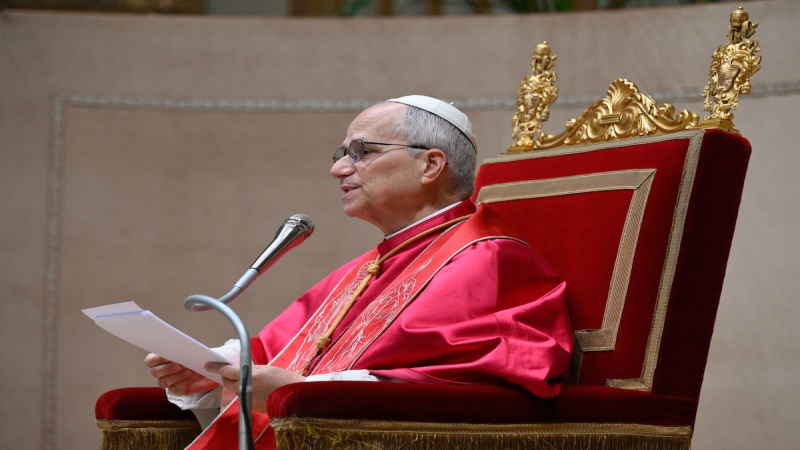


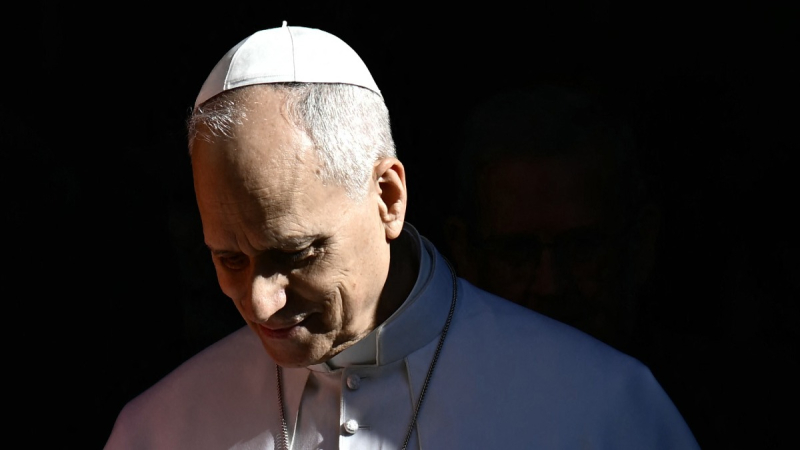
How Pope Leo XIV Is Redefining Papal Visibility in a Fragmented World
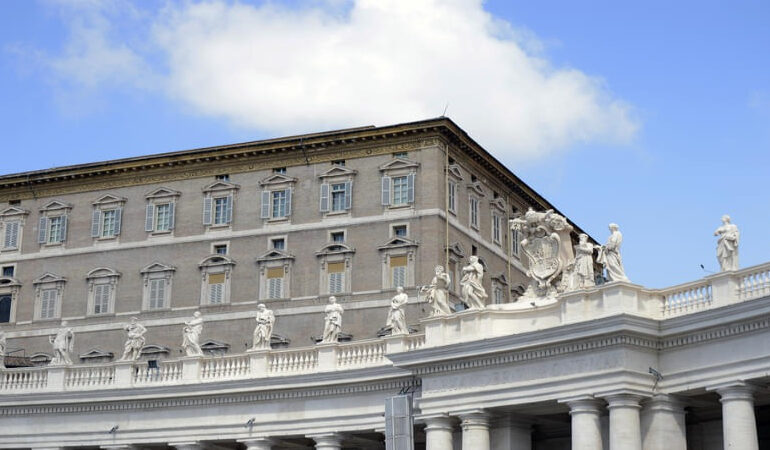

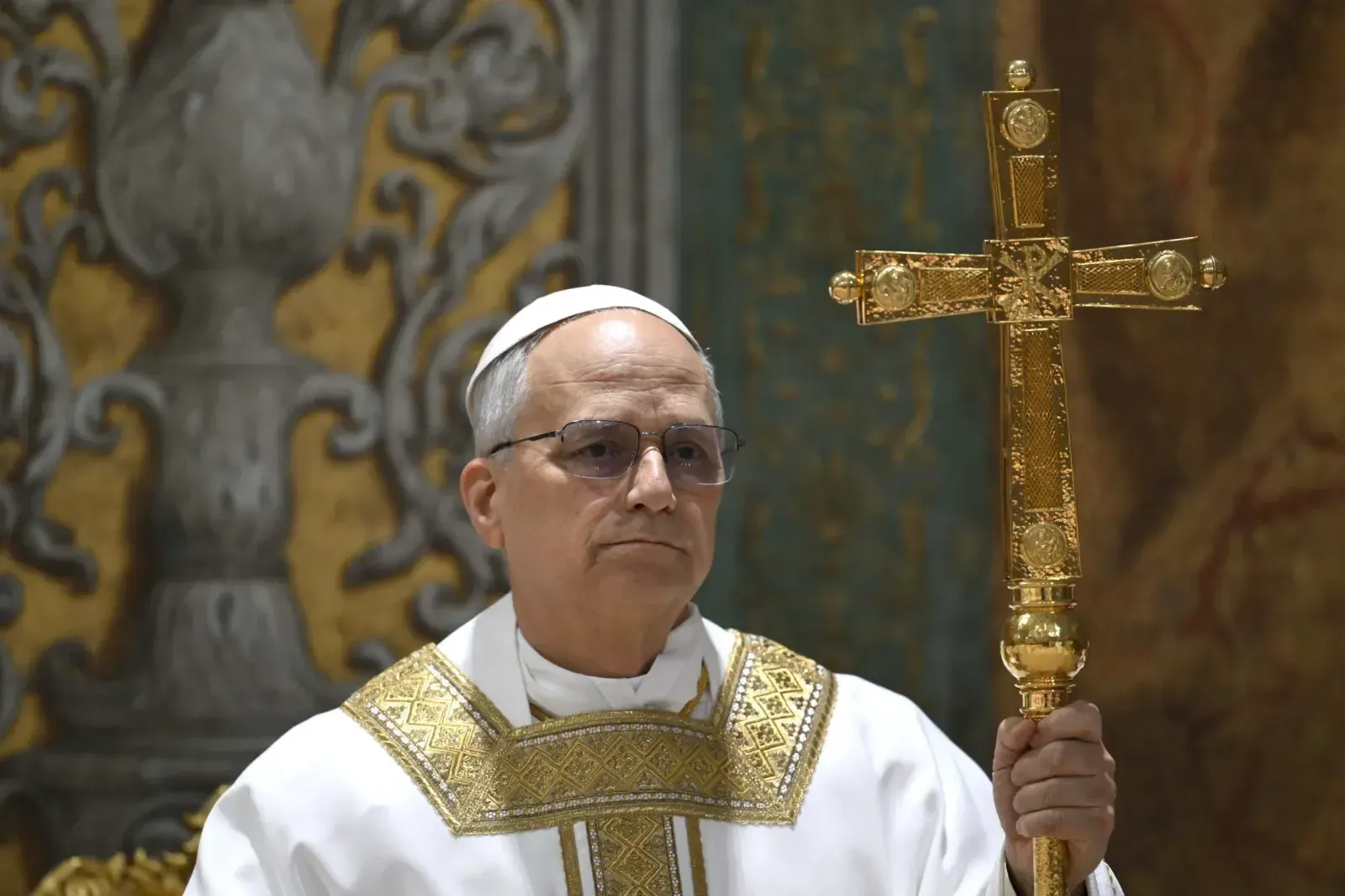
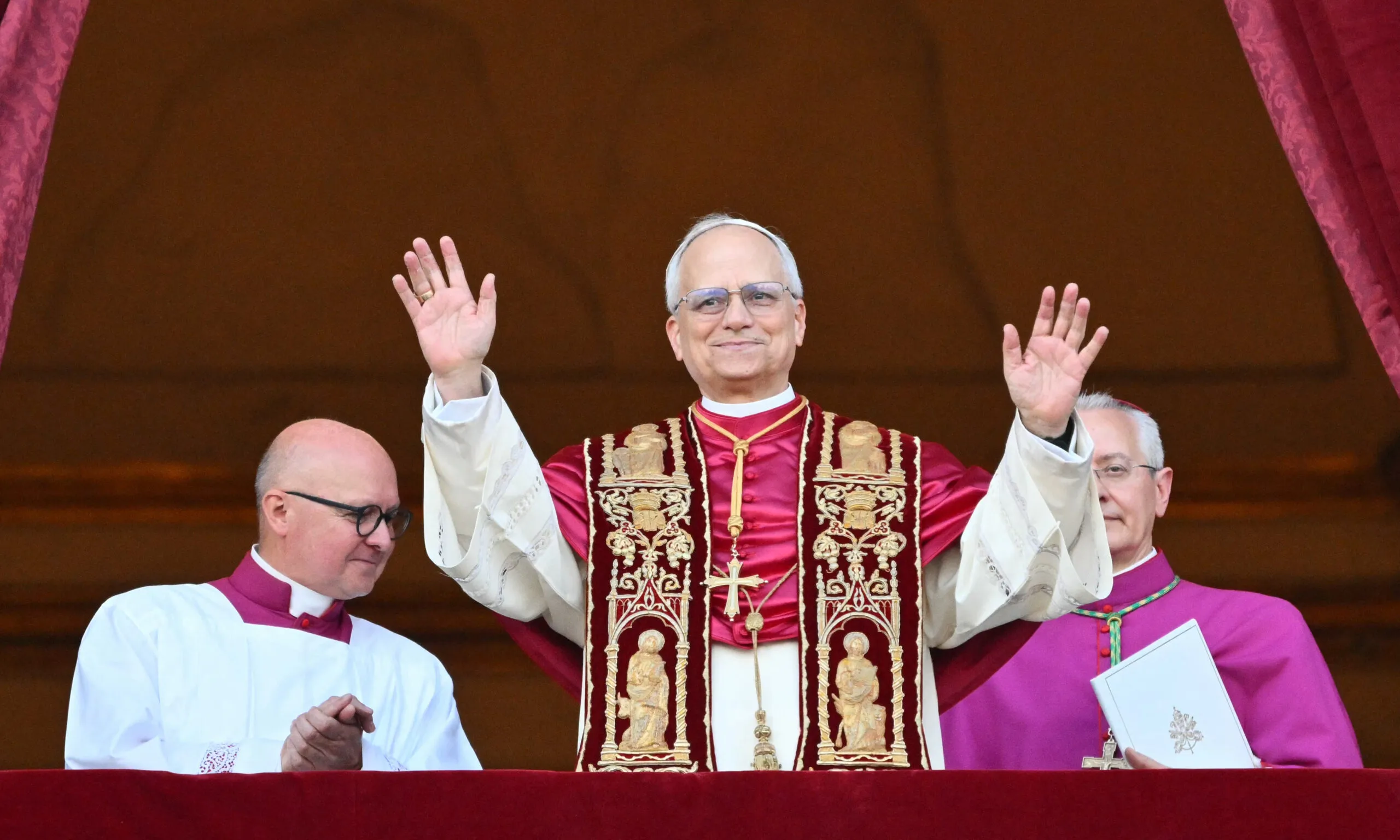
The papacy has long carried a visible presence that extends beyond the walls of the Vatican into global political, cultural, and moral life. With the election of Pope Leo XIV, that visibility is not disappearing, but it is being recalibrated. In an era defined by fractured media landscapes and competing narratives, the Vatican’s public posture is becoming more selective, intentional, and structurally grounded.
Rather than pursuing constant exposure, Pope Leo XIV appears focused on restoring weight to papal presence by limiting it. This shift reflects an understanding that visibility without coherence can weaken authority. By redefining how and when the papacy appears on the global stage, the Vatican is adapting to a world where attention is abundant but trust is scarce.
Strategic Visibility as a Form of Authority
The most significant change under Pope Leo XIV is the treatment of visibility as a strategic asset rather than a default condition. Public appearances, statements, and symbolic acts are framed within institutional processes rather than personal expression. This approach reinforces the idea that papal authority flows from the office and the Church itself, not from constant engagement.
In a fragmented world, excessive visibility risks placing the papacy within transient debates that quickly lose relevance. Pope Leo XIV’s strategy suggests that restraint can amplify influence. When the Vatican speaks less frequently, its interventions are more likely to be interpreted as deliberate and consequential rather than reactive.
Navigating a Divided Media Environment
Modern papal visibility operates within a media ecosystem shaped by speed, polarization, and algorithmic amplification. Pope Leo XIV’s leadership appears acutely aware of this environment. By reducing spontaneous or informal messaging, the Vatican limits the risk of misinterpretation and selective framing.
This does not represent disengagement from global issues. Instead, it reflects a preference for structured communication that preserves theological and institutional clarity. Papal visibility is thus repositioned as a moment of alignment between message, timing, and authority rather than a continuous stream of commentary.
Reinforcing the Papacy as an Institutional Voice
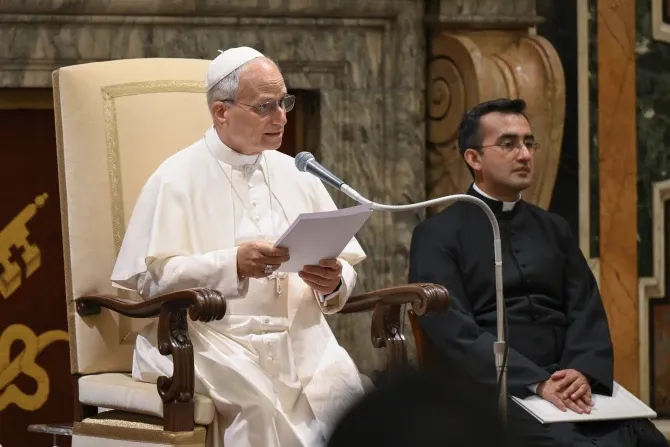
Another defining feature of this redefinition is the emphasis on the papacy as an institutional voice rather than a personal platform. Pope Leo XIV consistently situates his presence within the broader framework of Vatican governance, curial offices, and consultative bodies. This reinforces continuity and reduces the perception of personalization.
By doing so, the Vatican strengthens its credibility across diverse cultural contexts. The papacy is presented not as an individual navigating global opinion, but as the visible expression of a centuries-old institution capable of sustained moral reflection. Visibility becomes a symbol of continuity rather than immediacy.
Global Fragmentation and Selective Engagement
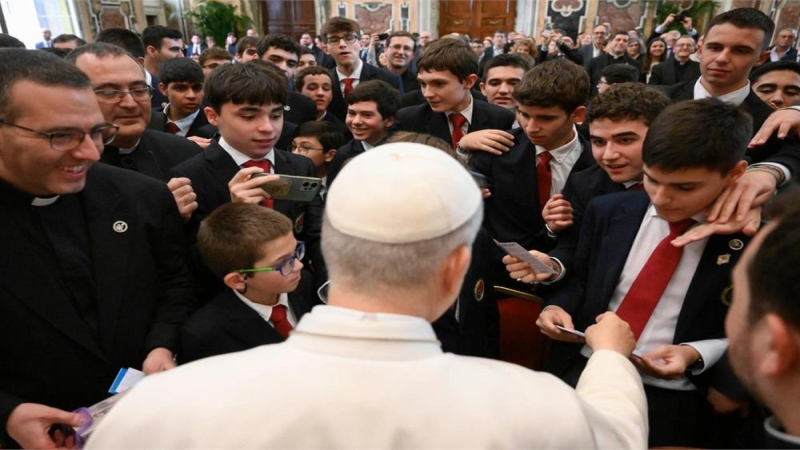
The world Pope Leo XIV addresses is increasingly fragmented along political, cultural, and ideological lines. In such a context, universal visibility can inadvertently deepen divisions. The Vatican’s selective engagement strategy allows it to maintain moral presence without becoming entangled in every conflict or controversy.
This approach enables the Church to speak across boundaries rather than within camps. By carefully choosing moments of visibility, the papacy preserves its ability to address global audiences without being absorbed into partisan or regional narratives. The result is a more durable form of engagement that prioritizes long-term influence.
Visibility Rooted in Stability Rather Than Urgency
Pope Leo XIV’s approach reflects a broader institutional philosophy that values stability over immediacy. Visibility is treated as a reflection of internal order rather than a tool for rapid response. This reinforces the idea that the Church’s authority does not depend on constant affirmation from the public sphere.
In redefining papal visibility, the Vatican acknowledges the limits of attention-driven influence. Authority, in this framework, is built through consistency, discipline, and measured presence. The papacy remains visible, but on its own terms, grounded in the rhythms of governance and tradition rather than the demands of the news cycle.
Conclusion
Pope Leo XIV is redefining papal visibility by transforming it from constant exposure into deliberate presence. Through strategic restraint, institutional framing, and selective engagement, the Vatican strengthens its moral authority in a fragmented world. This recalibration ensures that when the papacy is seen and heard, it carries clarity, weight, and enduring significance.