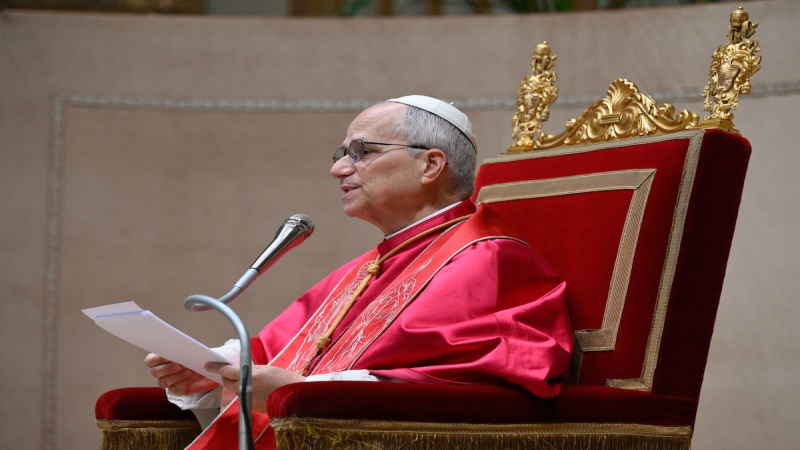


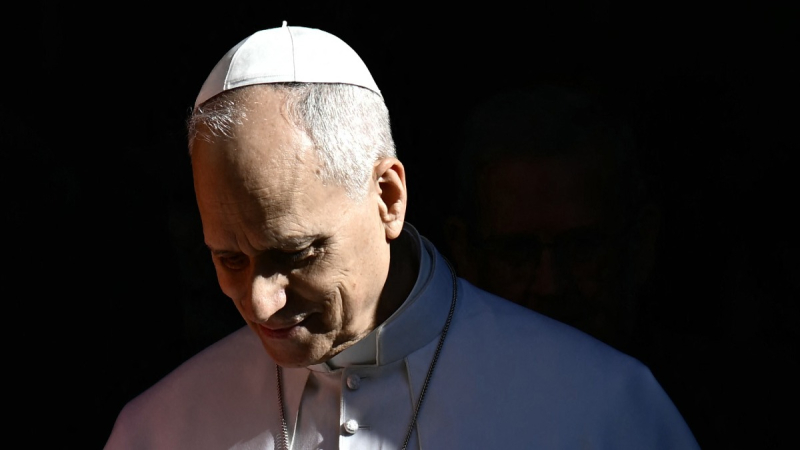
How Pope Leo XIV Is Reframing the Papacy for a Fragmented Global Church
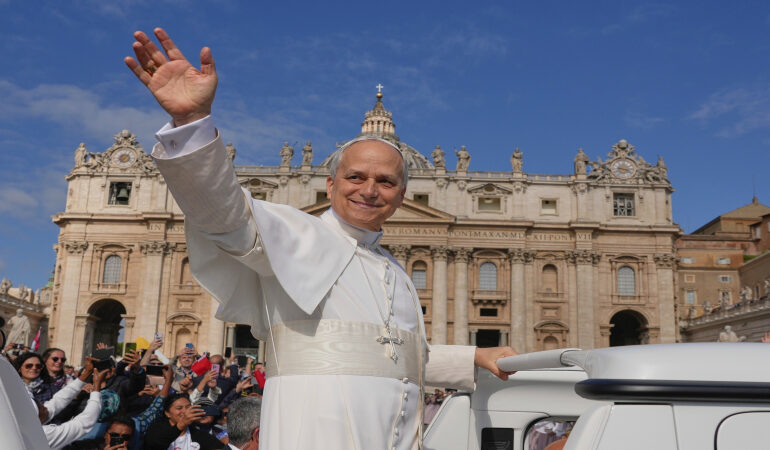

The Catholic Church enters 2025 facing a reality shaped by fragmentation. Cultural divisions, regional differences, and contrasting pastoral priorities have made global unity more complex than at any point in recent decades. In this context, the early signals from Pope Leo XIV suggest a conscious effort to reframe how the papacy functions as a source of unity without imposing uniformity.
Rather than relying on expansive public interventions or symbolic gestures, Pope Leo XIV has begun to emphasize the papacy as a stabilizing theological and institutional center. His approach reflects an understanding that the Church’s global nature requires leadership that listens, clarifies, and coordinates rather than dominates. This reframing is subtle but deliberate, pointing toward a papacy focused on coherence rather than control.
Reasserting the Papacy as a Center of Unity
At the heart of Pope Leo XIV’s approach is a renewed emphasis on the papacy as a unifying office grounded in shared belief. Instead of positioning the Pope primarily as a global commentator, the early tone of the pontificate highlights teaching, doctrinal consistency, and spiritual leadership. This reinforces the idea that unity flows from faith rather than consensus.
In a fragmented Church, this shift carries weight. By focusing on what Catholics hold in common, the papacy becomes a reference point rather than a pressure point. Pope Leo XIV’s messaging suggests that unity does not require constant central intervention but a clear articulation of what binds the Church together across continents and cultures.
Decentralization Without Dilution of Authority
Another defining feature of this reframing is the balance between local responsibility and papal authority. Pope Leo XIV appears attentive to the reality that bishops and local churches operate within vastly different social and legal environments. Rather than issuing broad directives, the papacy is being positioned as a guide that supports local discernment while maintaining doctrinal boundaries.
This approach allows for pastoral flexibility without weakening the authority of Rome. The Pope’s role becomes one of orientation and oversight, ensuring that diversity does not drift into contradiction. For a global Church navigating differing expectations, this model offers a way to remain united while respecting local realities.
Addressing Fragmentation Through Tone and Restraint
Fragmentation is not only structural but also emotional. Many divisions within the Church are amplified by tone, language, and perception. Pope Leo XIV’s measured communication style reflects an awareness of this dynamic. By avoiding sharp rhetoric or polarizing language, the papacy lowers the temperature of internal debate.
This restraint does not signal disengagement. Instead, it reflects a belief that authority is strengthened through calm clarity. When the Pope speaks less but with greater precision, his words carry weight across ideological lines. In a fragmented environment, this disciplined approach helps rebuild trust in papal leadership as a steady presence rather than a reactive one.
The Global Church as a Shared Responsibility
A key element of reframing the papacy lies in how responsibility is distributed. Pope Leo XIV’s early posture suggests that the health of the global Church is not managed solely from Rome. Bishops, clergy, and lay leaders are increasingly viewed as partners in sustaining unity and mission.
By emphasizing shared responsibility, the papacy encourages collaboration rather than dependency. Rome sets the theological and moral framework, while local churches bring those principles to life within their contexts. This vision reflects a Church that is global not because it is centralized, but because it is interconnected through faith and purpose.
Conclusion
Pope Leo XIV is redefining the papacy for a Church shaped by fragmentation rather than uniformity. Through doctrinal clarity, restrained communication, and respect for local responsibility, he is positioning the papal office as a source of stability and coherence. This reframed model does not seek to erase differences but to hold them together within a shared framework of belief. As the pontificate develops, this approach may prove essential for sustaining unity in a truly global Church.