
How Pope Leo XIV Is Shaping the Church’s Moral Voice in a Fragmented World


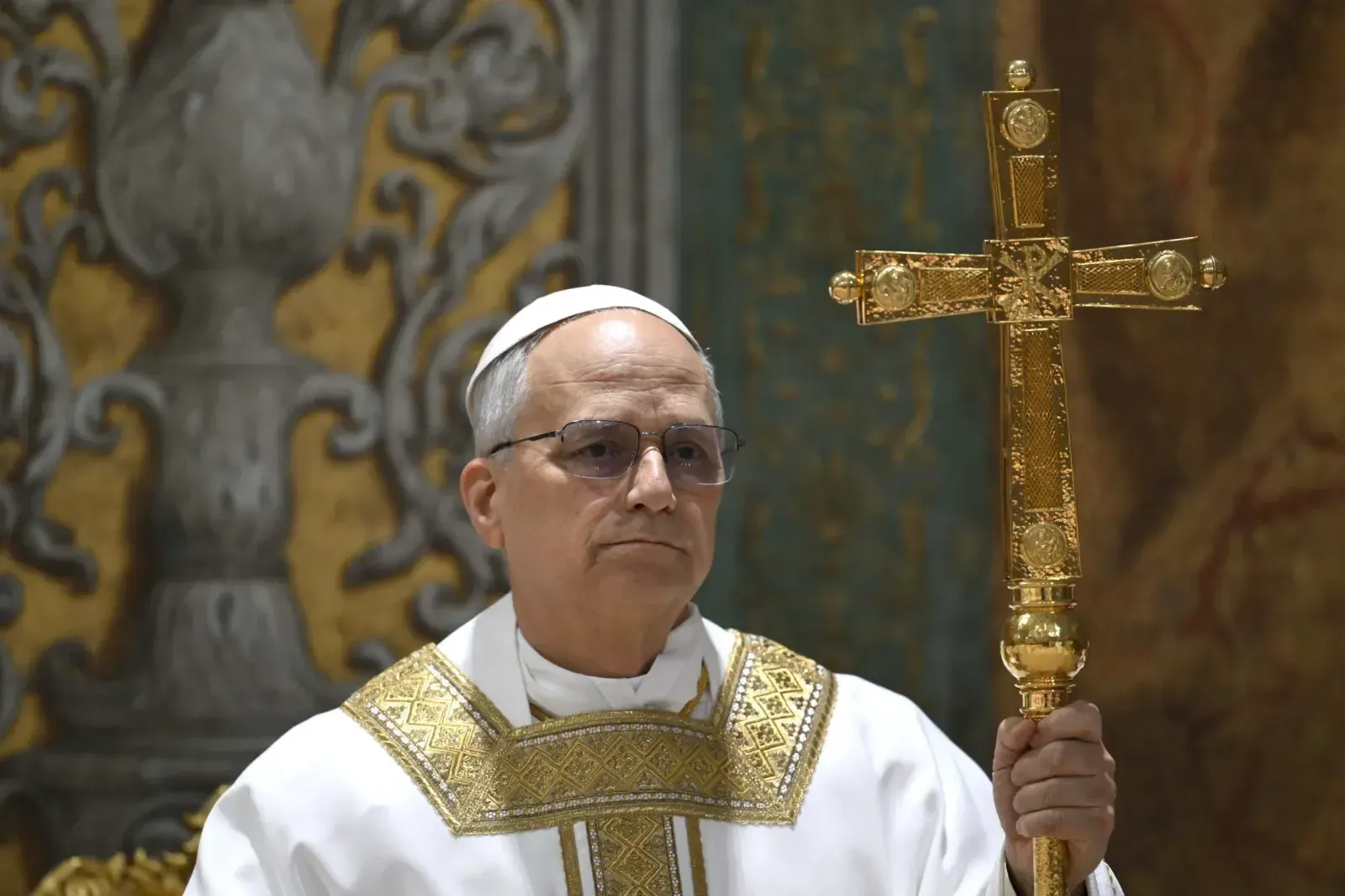
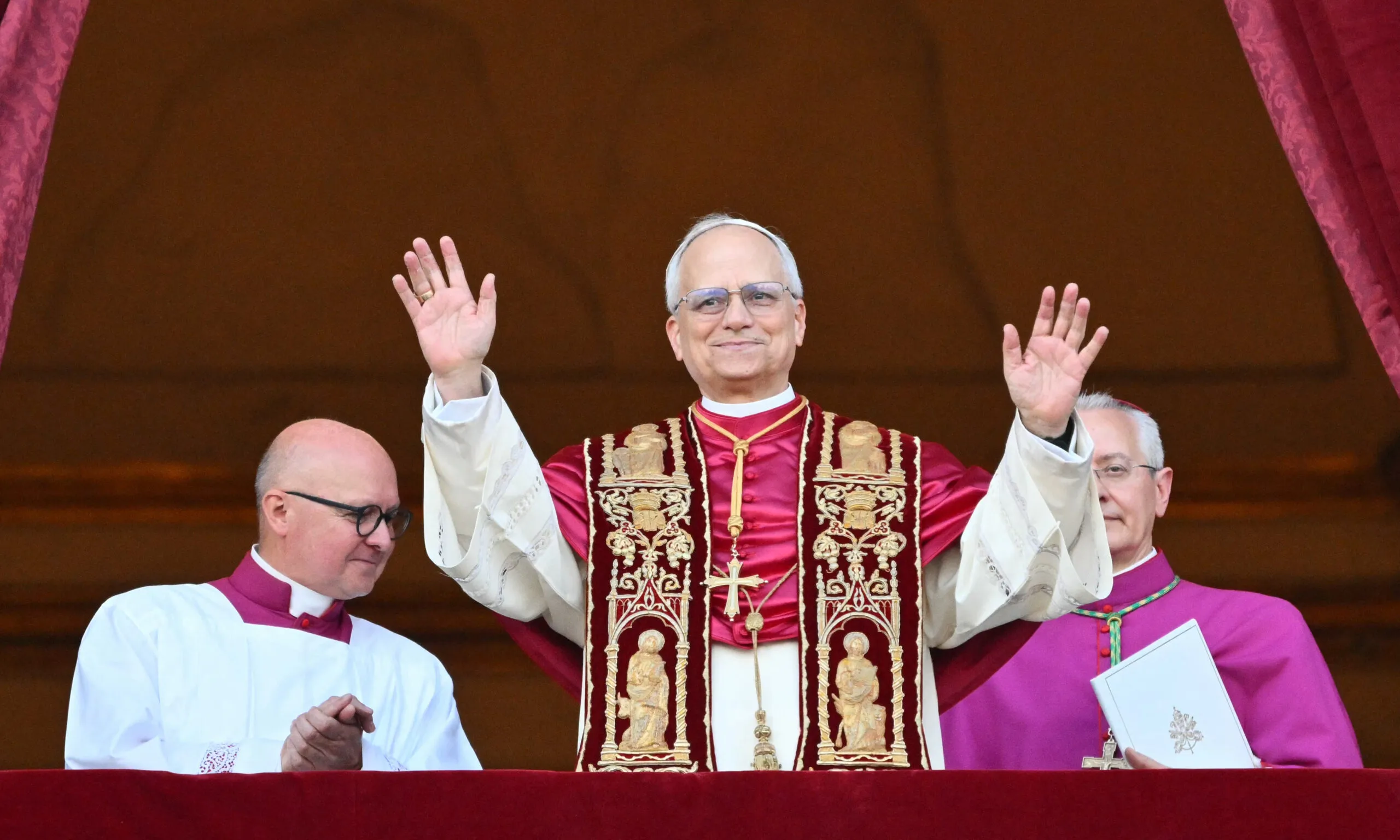
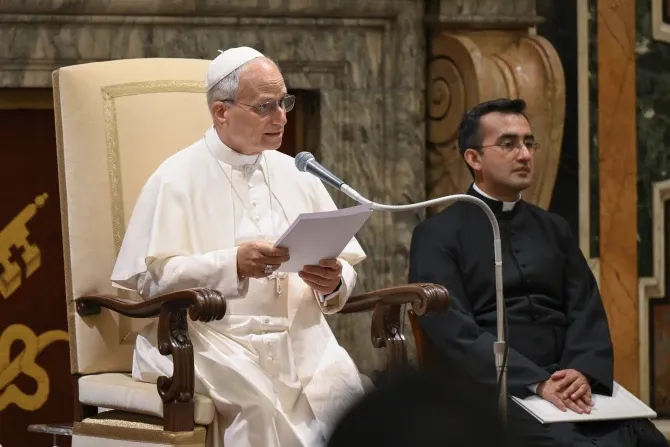
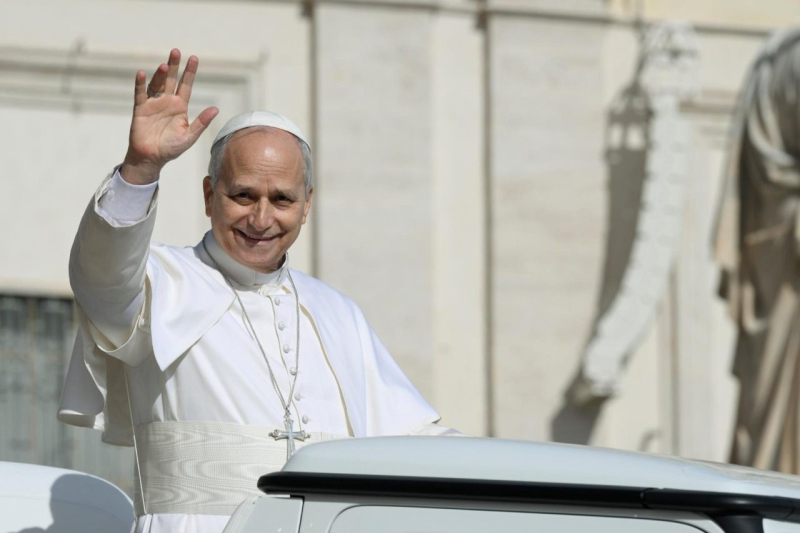
The Catholic Church has entered a new chapter under the leadership of Pope Leo XIV, following the death of Pope Francis. At a moment marked by global uncertainty, political polarization, and cultural division, the new pontificate is already signaling continuity in moral focus while bringing a distinct tone to the Church’s public voice. Pope Leo XIV has emphasized stability, reflection, and moral clarity as guiding principles for the Church’s engagement with the modern world.
Rather than abrupt change, his early leadership reflects a careful strengthening of the Church’s ethical presence amid fragmentation. Pope Leo XIV has spoken about the need for unity rooted in truth, compassion guided by responsibility, and dialogue anchored in doctrine. This approach positions the Church as a moral reference point at a time when many institutions struggle to maintain credibility and coherence.
Reaffirming Moral Authority Through Continuity and Discernment
Pope Leo XIV has approached moral authority as something sustained through continuity rather than disruption. He has reaffirmed core Catholic teachings on human dignity, peace, and responsibility while underscoring the importance of discernment in addressing contemporary challenges. This balance has helped maintain trust among the faithful while reassuring global observers of institutional stability.
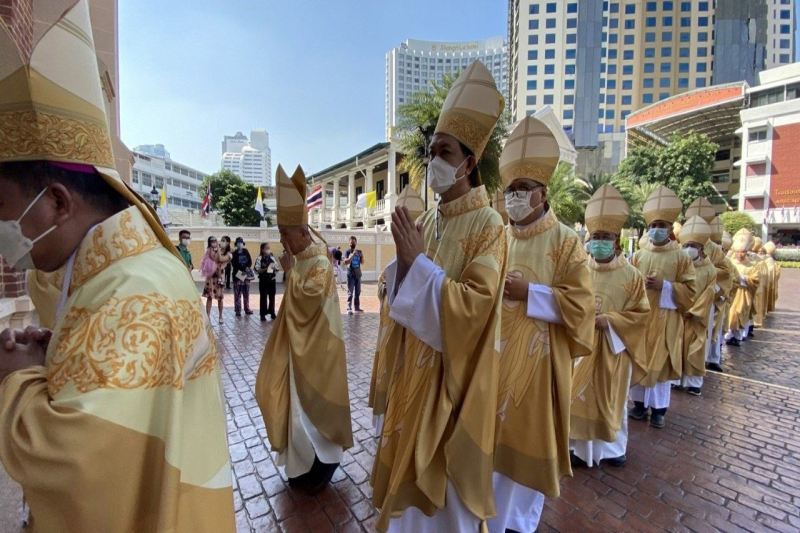
His emphasis on discernment highlights a moral framework that values thoughtful engagement over reactive judgment. By encouraging bishops and Church leaders to reflect carefully on complex social realities, Pope Leo XIV has reinforced the Church’s role as a moral guide grounded in reason, tradition, and pastoral care.
Addressing Global Challenges With Ethical Clarity
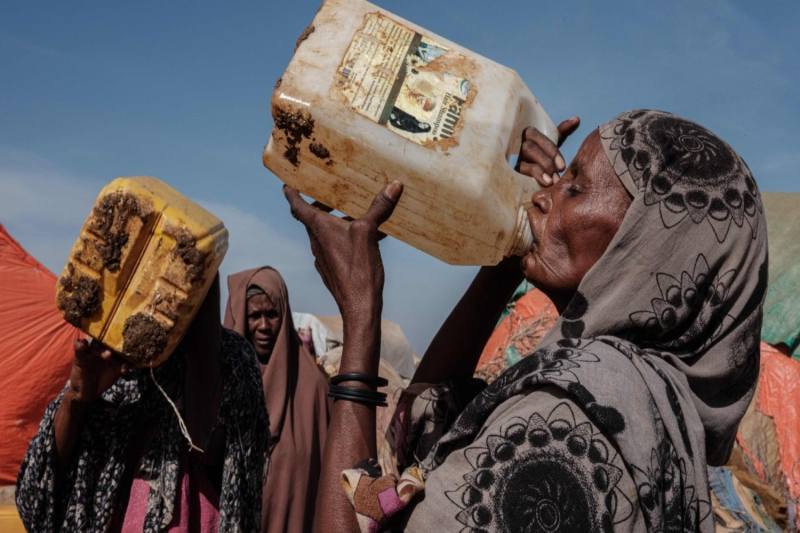
In his public messages, Pope Leo XIV has identified inequality, conflict, and social fragmentation as moral issues requiring sustained attention. He has spoken about the ethical consequences of economic exclusion and the responsibility of societies to protect vulnerable populations. These themes reflect a Church committed to justice without aligning itself with ideological agendas.
He has also emphasized the moral dimensions of global cooperation, calling for renewed commitment to peace and dialogue between nations. By framing these issues in ethical rather than political terms, Pope Leo XIV strengthens the Church’s ability to speak to diverse audiences while remaining faithful to its mission.
Navigating Division Through Dialogue and Responsibility
Pope Leo XIV has repeatedly stressed the importance of dialogue in a polarized world. He has cautioned against ideological extremes and encouraged respectful engagement rooted in shared human values. This approach reflects a moral vision that seeks reconciliation rather than confrontation.
At the same time, he has underscored personal and collective responsibility, reminding the faithful that moral dialogue must be accompanied by concrete action. This balance between openness and accountability reinforces the Church’s credibility as a moral voice capable of addressing division without compromising principle.
Strengthening the Church’s Global Moral Presence
As leader of a global Church, Pope Leo XIV has highlighted the importance of listening to local communities while maintaining doctrinal unity. He has emphasized that moral insight emerges from the lived experiences of diverse cultures, especially those facing hardship or marginalization.
By supporting consultation and shared reflection within the Church, he has reinforced a vision of moral leadership rooted in participation and mutual responsibility. This global perspective allows the Church to speak with relevance and humility in an interconnected yet fragmented world.
Conclusion
Pope Leo XIV is shaping the Church’s moral voice through continuity, ethical clarity, and a commitment to dialogue grounded in responsibility. His leadership reflects a Church seeking unity and credibility while addressing the moral challenges of a divided world.