

How the Global Church Is Navigating Cultural Fragmentation
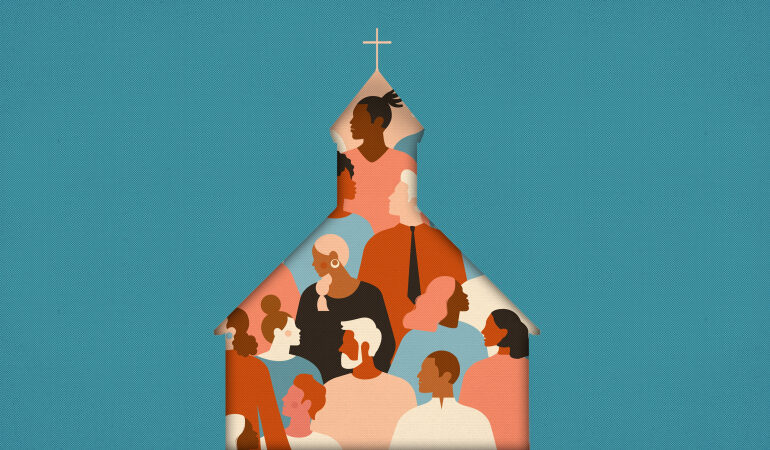

The Catholic Church today operates in a world marked by deep cultural fragmentation. Shared assumptions about morality, authority, and social order have weakened across many societies, while regional differences have become more pronounced. For a global Church present in nearly every cultural context, this fragmentation presents both a challenge and a test of unity.
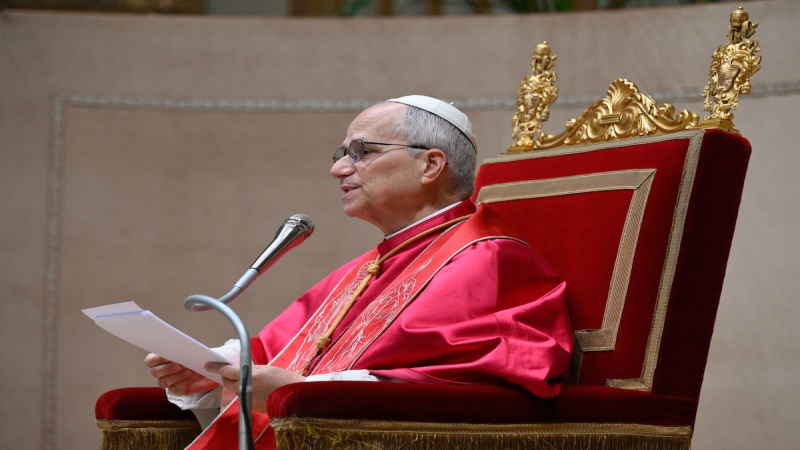
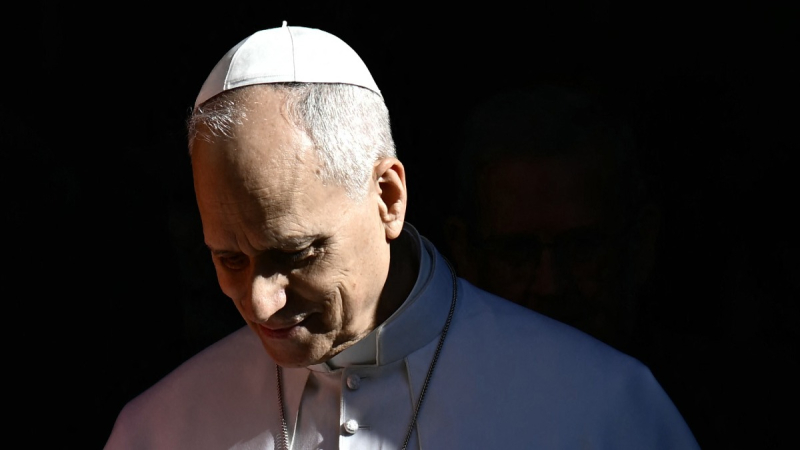
Rather than responding with rigid uniformity or disengagement, the Church has adopted a more adaptive posture. Under the leadership of Pope Leo XIV, the emphasis has shifted toward maintaining communion while acknowledging diversity. This balance defines how the global Church is navigating a fractured cultural landscape.
Unity Without Cultural Uniformity
One of the Church’s central strategies has been to reinforce unity without demanding cultural uniformity. The Catholic tradition has long held that faith transcends culture while being expressed through it. In a fragmented world, this principle has gained renewed importance.
The Church emphasizes shared belief and sacramental life as the foundation of unity. Cultural expressions of worship, pastoral priorities, and social engagement are allowed to vary, provided they remain rooted in common teaching. This approach helps prevent fragmentation from becoming division.
By affirming that unity does not require sameness, the Church allows local communities to remain authentically engaged with their cultures while staying connected to the universal Church.
Strengthening Local Responsibility Within a Global Framework
Cultural fragmentation has highlighted the need for strong local leadership. Bishops and pastoral leaders are often best positioned to understand the challenges facing their communities. The Church increasingly supports local responsibility within a shared global framework.
This means providing principles rather than prescriptive solutions. Local churches are encouraged to apply Catholic teaching in ways that speak to their cultural realities while remaining aligned with universal doctrine.
Such an approach fosters trust. It recognizes the competence of local leaders and avoids the perception of distant authority imposing solutions without context. At the same time, the global framework ensures coherence and mutual accountability.
Dialogue as a Pastoral Tool
In fragmented societies, dialogue has become an essential pastoral tool. The Church increasingly engages cultural differences through listening and encounter rather than confrontation. This does not dilute conviction but strengthens understanding.
Dialogue allows the Church to remain present in plural environments without retreating into isolation. It acknowledges that cultural fragmentation often stems from deeper social wounds that require patience and empathy.
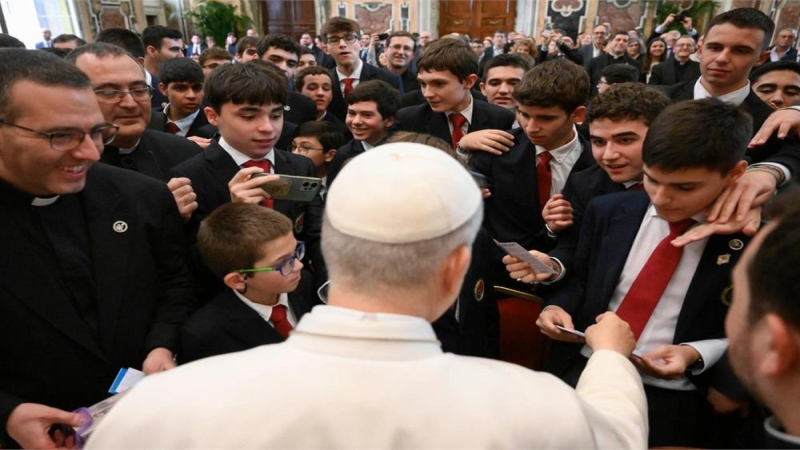
By prioritizing dialogue, the Church positions itself as a bridge rather than a barrier. This approach helps sustain relevance and credibility, particularly among younger generations shaped by diverse influences.
Shared Mission Amid Diverse Contexts
Despite cultural fragmentation, the Church continues to emphasize a shared mission rooted in service, charity, and witness. Works of education, healthcare, and humanitarian support provide common ground across cultures.
These shared commitments transcend ideological division. They allow the Church to act as a unifying presence even where beliefs differ sharply. Mission becomes a language understood across cultural boundaries.
By focusing on action as well as teaching, the Church reinforces unity through lived experience. Shared mission strengthens bonds that abstract agreement alone cannot sustain.
The Role of Central Guidance
While local responsibility is emphasized, central guidance remains essential. The Vatican provides reference points that help local churches navigate fragmentation without drifting into isolation. This balance preserves communion.
Central guidance ensures that diversity does not erode shared identity. It offers theological and pastoral orientation while respecting local adaptation. In a fragmented world, this anchor is critical.
Under Pope Leo XIV, this balance between center and periphery has become more deliberate. Stability at the center supports flexibility at the local level.
Conclusion
The global Church is navigating cultural fragmentation by holding unity and diversity in careful tension. Through shared belief, local responsibility, dialogue, and common mission, it remains connected across cultural divides. Rather than resisting fragmentation with rigidity, the Church is responding with discernment, preserving communion in a complex and divided world.