

How the Vatican Communicates Moral Authority in International Affairs


The Vatican holds a unique position in international affairs as a religious institution with global diplomatic presence. Unlike nation states, its influence does not rely on military or economic power but on moral authority rooted in ethical teaching and spiritual leadership. Through diplomacy, public statements, and engagement with international organizations, the Vatican seeks to shape global conversations on peace, human dignity, and responsibility.
In a complex international environment marked by conflict and competing interests, the Vatican communicates moral authority by emphasizing principles rather than power. Its approach reflects a long standing understanding that moral credibility is built through consistency, dialogue, and concern for the common good. Under Pope Leo XIV, this tradition continues with careful attention to language, symbolism, and global engagement.
Moral Authority Grounded in Ethical Consistency
The Vatican’s moral authority in international affairs rests on ethical consistency. Its positions are shaped by Catholic teaching on human dignity, peace, and justice rather than shifting political alliances. This consistency allows the Vatican to speak credibly across diverse geopolitical contexts.
By grounding its messages in universal moral principles, the Vatican avoids alignment with partisan interests. Its authority comes from a reputation for ethical continuity and long term perspective. This stability strengthens its voice in global discussions where trust is often fragile.
Diplomatic Engagement Without Political Power
The Holy See maintains diplomatic relations with many countries and participates in international forums. Its representatives engage through dialogue rather than negotiation of power. This approach reflects an understanding of diplomacy as moral persuasion rather than political leverage.
Vatican diplomacy focuses on fostering peace, protecting human rights, and encouraging cooperation. By engaging respectfully with governments and institutions, it seeks to influence outcomes through ethical appeal. This form of engagement allows the Vatican to remain present even in highly polarized international settings.
Language and Symbolism in Global Communication
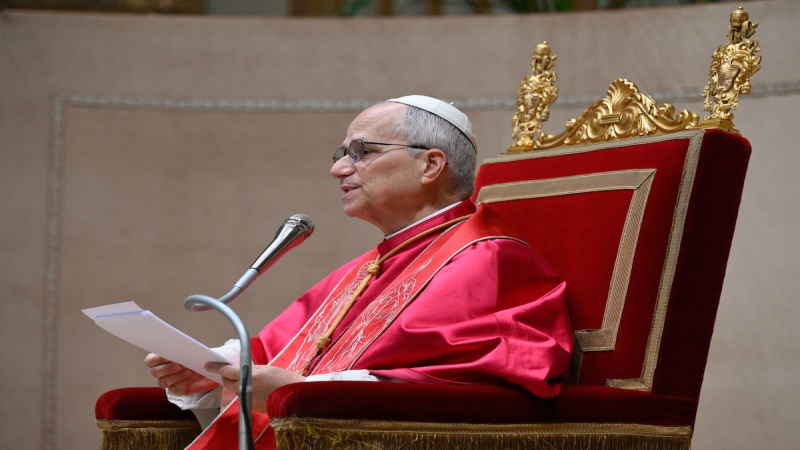
The Vatican communicates moral authority through carefully chosen language and symbolism. Public statements, addresses, and messages emphasize shared human values rather than technical policy proposals. This language is designed to resonate across cultures and belief systems.
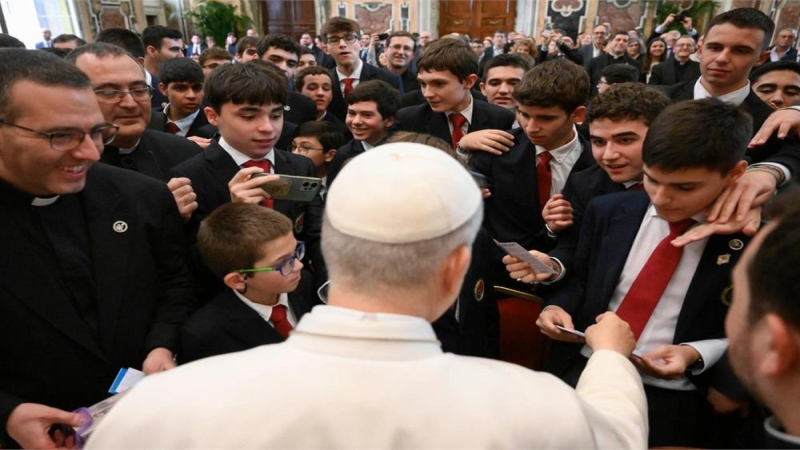
Symbolic gestures also play an important role. Visits to conflict affected regions, encounters with marginalized communities, and participation in international events communicate moral concern beyond words. These actions reinforce the credibility of Vatican messages in global affairs.
Advocacy for Peace and Human Dignity
A central focus of Vatican communication is advocacy for peace. The Holy See consistently calls for dialogue, restraint, and reconciliation in situations of conflict. By framing peace as a moral imperative, it challenges the normalization of violence and indifference.
The Vatican also highlights the dignity of those affected by war, poverty, and displacement. Its communication seeks to humanize global issues by focusing on lived experience. This emphasis strengthens its moral appeal and keeps ethical considerations at the forefront of international debate.
Engagement With International Institutions
The Vatican participates actively in international organizations to bring moral perspectives into global policy discussions. It contributes to debates on development, humanitarian response, and human rights. This engagement reflects a commitment to collaboration rather than isolation.
By offering ethical reflection within these settings, the Vatican encourages institutions to consider the human impact of decisions. Its presence underscores the importance of moral responsibility in global governance. This engagement enhances its role as a trusted moral voice.
Credibility Through Continuity and Restraint
The Vatican’s communication style is marked by restraint and continuity. Statements are often measured and deliberate, avoiding reactionary language. This approach reinforces credibility by demonstrating thoughtfulness and responsibility.
Under Pope Leo XIV, this restrained communication continues to shape how moral authority is expressed. By prioritizing ethical clarity over immediacy, the Vatican maintains influence without escalating tensions. This style supports long term engagement in international affairs.
Conclusion
The Vatican communicates moral authority in international affairs through ethical consistency, dialogue, and advocacy for human dignity and peace. By relying on moral persuasion rather than power, it sustains a credible and respected presence in global discussions.