

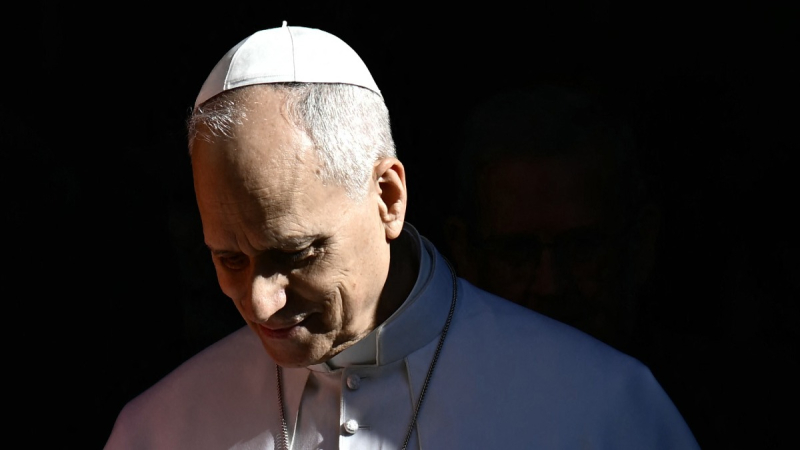
How the Vatican Frames Ethical Capital Allocation in 2025


The Vatican’s financial system continues to evolve as global markets shift toward higher accountability and ethical transparency. For institutions that manage both spiritual authority and material resources, the question of how capital should be allocated has taken on renewed importance. In recent years the Vatican has emphasized new models of responsibility that aim to reflect the values of the worldwide Catholic community. The church’s financial offices recognize that modern believers expect clarity regarding where funds are directed and how returns support long term missions.
This shift has encouraged a reassessment of investment screens, portfolio stability, and the internal safeguards that govern risk. While the Vatican has historically relied on conservative strategies, 2025 has shown an expanded interest in frameworks that balance growth with moral alignment. These developments reflect a broader institutional effort to protect assets while ensuring that every allocation maintains fidelity to doctrine. As both markets and expectations transform, the Vatican’s approach reveals how faith based organizations can navigate complex financial landscapes without abandoning their core commitments.
The Vatican’s Evolving Principles for Ethical Allocation
The most significant transformation in 2025 is the Vatican’s updated interpretation of ethical investing. This approach places strong emphasis on evaluating whether each investment supports human dignity, social welfare, and financial prudence. Internal committees have been reviewing portfolios to identify areas where value driven criteria could be strengthened. They also study external models used by large faith aligned institutions around the world. By comparing multiple frameworks, Vatican analysts aim to refine guidelines that apply consistently across global church entities.
These ethical screens prioritize sectors that reinforce stability, discourage exploitative practices, and support long term sustainability. Officials have highlighted the importance of avoiding investments that conflict with Catholic teachings but also recognize the necessity of participating in global markets responsibly. As a result, asset evaluation now includes more detailed assessments of environmental practices, governance structures, worker conditions, and the social impact of corporate activity. This allows the Vatican to maintain traditional principles while adapting to modern expectations for transparent stewardship.
Operational Safeguards in Financial Governance
Another area of development involves strengthening operational oversight to reduce risk across the Vatican’s financial divisions. After several years of reforms designed to improve accounting, auditing, and compliance, 2025 has been marked by efforts to expand accountability structures. Officials monitor how funds move between departments and how each office justifies its allocations. Increased coordination between finance units helps reduce fragmentation and ensures that decisions align with unified long term goals.
The use of standardized reporting tools has improved communication and helped leadership identify patterns in spending and investment performance. By making these processes more consistent, the Vatican seeks to create a stable environment where financial outcomes can be evaluated with greater accuracy. This helps protect the institutional mission and reassures global Catholics that resources are being managed with care.
Examining Global Market Conditions in a Faith Context
The Vatican’s economic researchers have also been paying closer attention to global market conditions. Their goal is to understand how shifting trends might affect church operations, charitable work, and international development programs. Inflation, interest rate movements, and geopolitical uncertainties can influence the performance of assets that support many church initiatives. Analysts review sector reports, sovereign bond patterns, and demographic data to determine which areas offer reliable long term potential.
What distinguishes this analysis from that of secular institutions is the framework through which decisions are made. While profitability is important, it must also support missions related to education, humanitarian aid, and pastoral care. This creates a unique balance where financial strategy becomes inseparable from social responsibility. The Vatican’s economic offices therefore evaluate opportunities not only through financial models but also through moral and social impact indicators.
Strengthening Trust Through Transparent Communication
The Vatican has increasingly emphasized the need to communicate clearly about how financial decisions support global church activity. Trust remains one of the most important components of modern stewardship. Catholics worldwide seek assurance that resources are handled responsibly, especially during periods of economic uncertainty. Improved transparency allows individuals, dioceses, and partner organizations to see how investment performance contributes to church sustainability.
Reports now highlight measurable outcomes, updated governance improvements, and reflections from advisory committees. By sharing insights into decision making processes, Vatican offices aim to reinforce confidence in their efforts to uphold ethical standards. This approach supports a more informed global community and encourages constructive dialogue around responsible financial behavior in faith based institutions.
Conclusion
The Vatican’s approach to capital allocation in 2025 demonstrates a renewed focus on ethical standards, operational stability, and transparent communication. Through careful evaluation of markets and strengthened internal safeguards, the church continues to balance financial responsibility with its spiritual mission. These efforts help maintain trust and ensure that investments reflect the values of the global Catholic community.