How the Vatican Is Managing Diplomatic Neutrality in a Fragmented Global Order
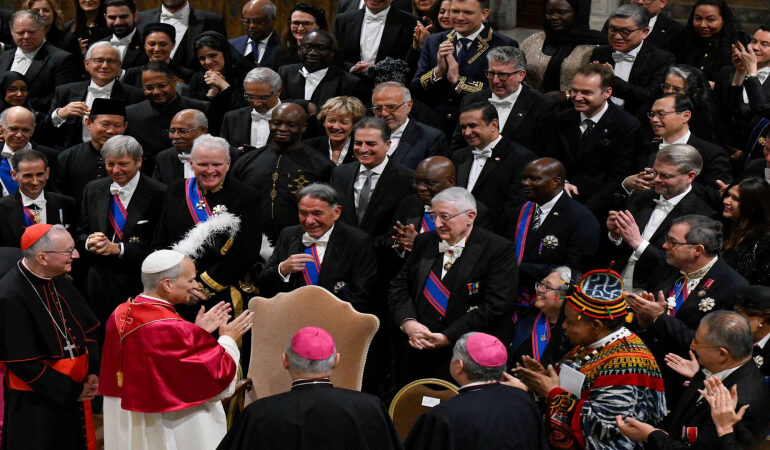

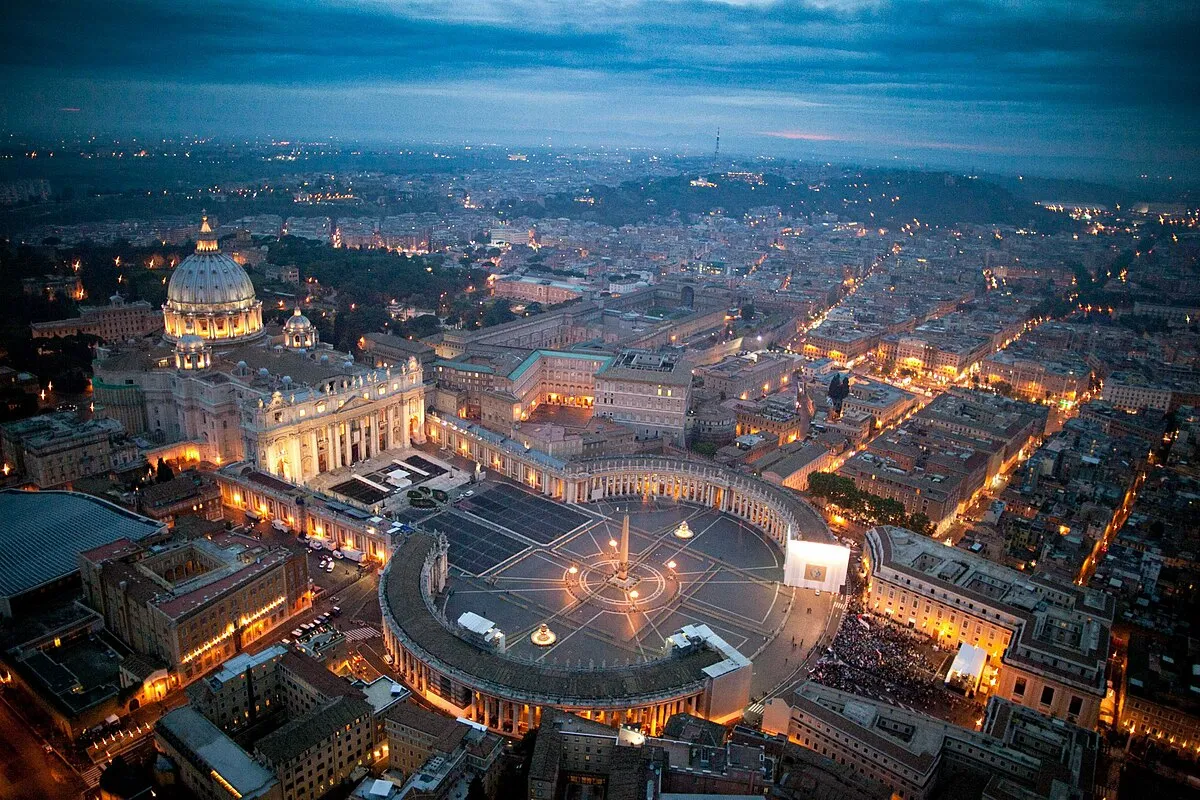
In an era marked by geopolitical fragmentation, shifting alliances, and prolonged conflicts, the Vatican’s diplomatic posture has taken on renewed significance. Unlike nation states driven by strategic or economic interests, the Holy See operates through moral authority, historical continuity, and carefully maintained neutrality. This distinct position allows it to engage actors across divides that often prevent direct dialogue.
As global tensions deepen, the Vatican’s challenge is not visibility but credibility. Maintaining neutrality while remaining relevant requires a diplomatic approach rooted in consistency and restraint. The Holy See’s actions in recent years suggest a deliberate effort to preserve its role as a trusted interlocutor rather than a political stakeholder.
Neutrality as a Diplomatic Asset
For the Vatican, neutrality is not passivity but a strategic asset. By avoiding alignment with military blocs or political coalitions, the Holy See preserves access to a wide range of governments and non state actors. This access enables dialogue in contexts where conventional diplomacy often fails.
Neutrality also reinforces the Vatican’s moral positioning. When the Church speaks on issues such as war, humanitarian crises, or peace negotiations, its voice is perceived as less constrained by national interest. This perception enhances credibility, particularly in regions affected by conflict.
The Vatican’s diplomatic language reflects this posture. Statements are carefully framed to emphasize principles such as human dignity, protection of civilians, and the pursuit of peace rather than assigning blame or endorsing specific outcomes.
Mediation Without Public Pressure
One defining feature of Vatican diplomacy is its preference for quiet mediation. Rather than conducting negotiations in public view, the Holy See often works through private channels. This discretion reduces political risk for involved parties and encourages openness.
In many cases, the Vatican’s role is not to broker formal agreements but to reopen lines of communication. By facilitating dialogue, it helps lower tensions and create conditions for further negotiation. This approach aligns with the Church’s long standing emphasis on reconciliation.
The effectiveness of this method lies in patience. Vatican diplomacy is rarely measured in immediate results but in sustained engagement. Over time, this consistency has allowed the Holy See to remain involved even as political circumstances shift.
Navigating a Multipolar World
The fragmentation of the global order has complicated traditional diplomatic frameworks. Power is increasingly dispersed among regional actors, non state entities, and competing ideological blocs. For the Vatican, this environment requires adaptability without compromising neutrality.
The Holy See has responded by reinforcing bilateral relationships while maintaining a strong presence in multilateral forums. This dual strategy allows it to engage both individual states and the broader international community. Neutrality serves as the foundation for this engagement.
Importantly, the Vatican avoids framing global issues in zero sum terms. Its diplomatic messaging emphasizes shared human concerns rather than strategic competition. This perspective enables dialogue across ideological boundaries.
Limits and Challenges of Neutrality
Neutrality is not without its critics. Some observers argue that the Vatican should adopt clearer positions in the face of injustice. Others contend that neutrality risks being interpreted as indifference. The Holy See navigates these tensions by distinguishing between moral clarity and political alignment.
While the Vatican speaks forcefully on ethical principles, it resists becoming an actor within geopolitical contests. This restraint reflects an understanding that moral authority depends on perceived independence. Once that independence is compromised, diplomatic effectiveness diminishes.
Maintaining this balance requires constant judgment. Each conflict presents unique pressures, and neutrality must be actively managed rather than assumed. The Vatican’s diplomatic tradition is built on this careful calibration.
Conclusion
In a fragmented global order, the Vatican’s commitment to diplomatic neutrality remains central to its influence. By prioritizing moral principle, discretion, and sustained dialogue, the Holy See preserves its role as a unique diplomatic actor. Neutrality, far from limiting engagement, continues to enable the Vatican to operate across divides that define today’s international landscape.