


How the Vatican Is Managing Internal Reform Without Public Confrontation


Internal reform within the Vatican has rarely been a smooth or visible process. Over recent years, changes to governance, administration, and accountability have unfolded amid intense public attention. Yet the current phase of reform reflects a noticeably different approach, one that prioritizes internal discipline over public debate.
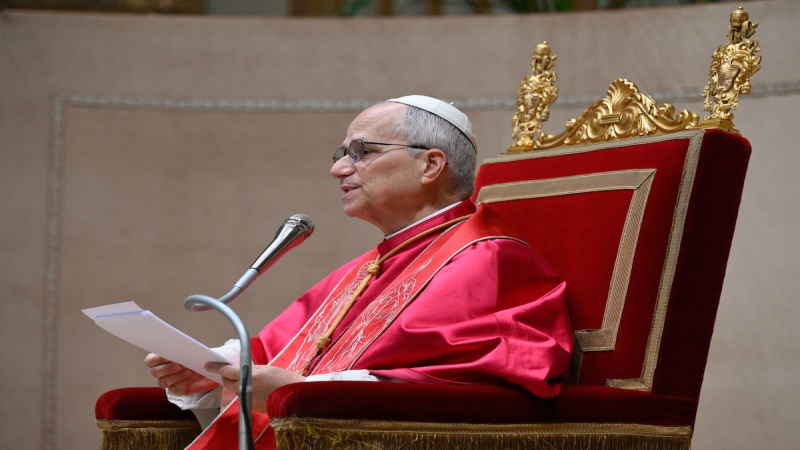
Under the leadership of Pope Leo XIV, reform is being managed with restraint and deliberation. Rather than framing change as a public contest or ideological shift, the Vatican appears focused on steady internal adjustment. This approach minimizes confrontation while allowing reforms to take hold more sustainably.
Reform Through Process Rather Than Public Pressure
One defining feature of the Vatican’s current reform strategy is its reliance on process. Changes are introduced through administrative procedures, internal directives, and governance mechanisms rather than public declarations. This allows reform to unfold quietly within established institutional channels.
By avoiding public confrontation, the Vatican reduces resistance that can arise when reforms are perceived as imposed or politicized. Internal processes provide space for consultation, clarification, and gradual adaptation. This helps ensure that reforms are understood and implemented rather than contested.
This approach reflects a belief that lasting reform depends on internal acceptance. When changes are embedded in routine governance, they become part of institutional culture rather than points of controversy.
Containing Disagreement Within Institutional Structures
Disagreement is inevitable in a global institution as complex as the Catholic Church. The Vatican’s current strategy does not deny this reality but seeks to contain disagreement within structured frameworks. Internal discussions are prioritized over public disagreement, allowing concerns to be addressed without external amplification.
This containment protects institutional unity. Public confrontation can harden positions and force leaders into defensive stances. By managing debate internally, the Vatican preserves flexibility and reduces the risk of polarization.
Such an approach also signals confidence. Institutions that rely on internal mechanisms rather than public validation demonstrate trust in their own governance capacity.
Gradual Implementation Over Sudden Change
Another key element of this reform strategy is gradual implementation. Rather than introducing sweeping changes all at once, reforms are phased in over time. This allows departments and officials to adapt without disruption.
Gradual change supports operational stability. The Vatican oversees diplomatic relations, pastoral coordination, and administrative oversight that cannot be paused for reform. A measured pace ensures continuity while adjustments are made.
This approach also reduces uncertainty across the global Church. Sudden reforms can create confusion at diocesan and parish levels. Gradual implementation allows guidance to filter through the system more effectively.
Protecting Institutional Credibility
Public confrontation during reform can damage institutional credibility, particularly when disagreements are framed as conflict. By managing reform internally, the Vatican protects its public image as a unified and disciplined institution.
This does not mean avoiding transparency altogether. Rather, transparency is exercised selectively, with public communication focused on outcomes rather than internal debate. This helps maintain trust while preserving internal freedom to deliberate.
Protecting credibility is especially important in a time of external scrutiny. Quiet reform allows the Vatican to demonstrate seriousness without inviting unnecessary controversy.
Leadership Style and Reform Culture
The current approach to reform reflects a broader leadership style that values restraint and stability. Under Pope Leo XIV, authority is exercised through governance rather than spectacle. Reform becomes an extension of institutional discipline rather than a public campaign.
This leadership style encourages cooperation rather than confrontation. Officials are more likely to engage constructively when reform is framed as collective responsibility rather than imposed correction.
Over time, this culture of reform can strengthen the Vatican’s capacity to adapt. When change is normalized within governance structures, future adjustments become less disruptive.
Conclusion
The Vatican’s management of internal reform without public confrontation reflects a mature approach to institutional change. By prioritizing process, containment of disagreement, and gradual implementation, reform is allowed to take root quietly. This strategy preserves unity, protects credibility, and strengthens governance, ensuring that reform serves the Church’s long-term stability rather than short-term visibility.