


How the Vatican Manages Institutional Accountability in a Global Church
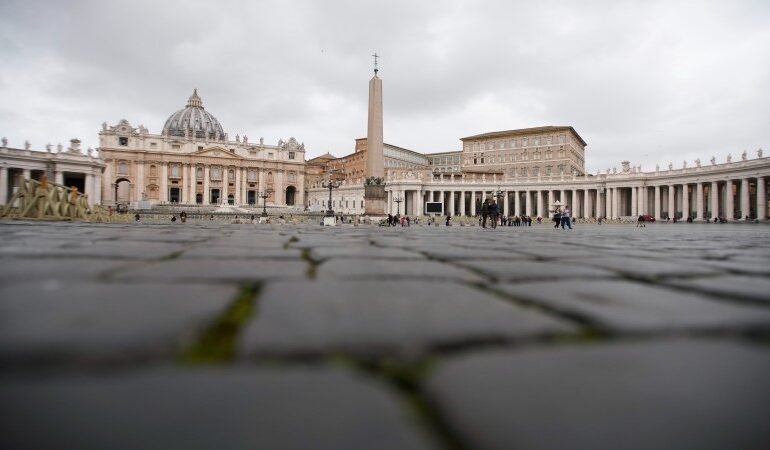

The Vatican operates at the center of a worldwide Catholic community that spans cultures, legal systems, and social realities. Managing accountability within such a global Church requires structures that respect local responsibility while maintaining universal standards. Institutional accountability is not only an administrative concern but a moral obligation tied to the Church’s credibility and mission.
In recent years, the Holy See has continued refining how responsibility, oversight, and reporting function across its institutions. These efforts aim to ensure that leadership is exercised transparently and ethically while remaining faithful to canon law and Church teaching. Under Pope Leo XIV, accountability is increasingly framed as a shared responsibility rooted in service rather than control.
Institutional Accountability as a Moral Responsibility
Accountability within the Vatican is grounded in the understanding that authority in the Church exists to serve. Leadership roles carry obligations not only to Church law but also to the faithful and the broader global community. This moral dimension shapes how accountability is defined and practiced.
Rather than mirroring secular corporate models, Vatican accountability emphasizes stewardship, integrity, and trust. Decision makers are expected to act in ways that reflect the Church’s values, recognizing that institutional actions have spiritual and social consequences. This perspective reinforces accountability as an expression of moral leadership.
Governance Structures That Support Oversight
The Vatican relies on a network of dicasteries, councils, and offices to manage its responsibilities. Each body has defined competencies and reporting obligations designed to prevent concentration of authority and encourage shared oversight. These structures allow for review, consultation, and correction when needed.
Clear lines of responsibility help ensure that decisions are traceable and subject to evaluation. Oversight mechanisms are intended to support effective governance while respecting the distinct roles of different offices. This structured approach helps maintain consistency across a complex global institution.
Transparency and Reporting in a Global Context
Transparency plays a central role in institutional accountability, particularly in a Church that operates across national boundaries. Reporting standards and internal reviews help ensure that information flows accurately within the Vatican and between the Holy See and local Churches.
These processes are designed to promote clarity rather than publicity. The goal is to ensure responsible decision making and informed leadership, not to respond to external pressure. By prioritizing internal transparency, the Vatican strengthens coordination and reinforces trust within the Church.
Balancing Central Authority and Local Responsibility
One of the Vatican’s ongoing challenges is balancing universal oversight with respect for local Churches. Accountability must recognize the authority of bishops while ensuring alignment with Churchwide norms. This balance reflects the Catholic understanding of unity that respects diversity.
The Vatican provides guidance, frameworks, and review processes that support local leadership without replacing it. This approach allows accountability to function as a collaborative process. It also helps the global Church respond effectively to local realities while remaining united in purpose and standards.
Accountability in a Global Moral Witness
Institutional accountability also affects how the Church is perceived internationally. The Vatican’s diplomatic and moral engagement depends on its ability to demonstrate integrity within its own structures. Clear accountability supports the Church’s voice on issues such as human dignity, justice, and peace.
By reinforcing ethical governance, the Vatican strengthens its credibility in global dialogue. Accountability ensures that the Church’s institutional practices reflect the values it promotes publicly. This alignment is essential for sustaining moral authority in a diverse and interconnected world.
Conclusion
The Vatican manages institutional accountability by grounding governance in moral responsibility, clear structures, and shared oversight. Under Pope Leo XIV, this approach supports a global Church committed to integrity, transparency, and faithful service.