

How the Vatican Navigates Church State Boundaries in Modern Democracies
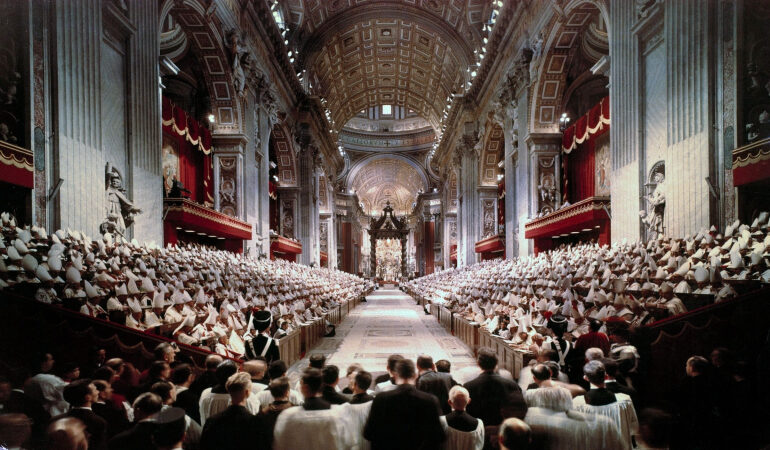

Modern democracies are shaped by pluralism, legal equality, and a clear distinction between religious institutions and state authority. Within this framework, the Vatican occupies a unique position as both a spiritual center for the global Catholic Church and a sovereign entity engaged in international relations. Navigating Church state boundaries requires careful balance, particularly in societies where religion and politics are intentionally separated.
Rather than seeking influence through political power, the Vatican approaches modern democracies with restraint and deliberation. Its engagement reflects a long standing understanding that moral authority functions differently from legal authority. The goal is not control, but the protection of conscience, religious freedom, and ethical responsibility within civic life.
Respecting Separation While Maintaining Moral Engagement
The Vatican consistently affirms the principle of separation between Church and state. This separation allows democratic institutions to govern without religious coercion and protects the Church from political manipulation. Respecting this boundary safeguards the independence and credibility of both institutions.
At the same time, separation does not mean withdrawal from public life. The Church continues to address moral questions that affect society, including human dignity, justice, and peace. These contributions are offered as ethical reflections rather than political directives.
By maintaining this distinction, the Vatican preserves its moral voice without overstepping democratic boundaries. Engagement remains principled, not partisan, and rooted in conscience rather than policy enforcement.
Diplomacy as a Bridge Between Faith and Governance
Diplomacy is one of the Vatican’s primary tools for navigating Church state relationships. Through diplomatic channels, it communicates moral concerns while respecting national sovereignty. This approach emphasizes dialogue, patience, and mutual respect.
The Vatican’s diplomatic presence allows it to engage with governments across diverse political systems. Rather than imposing solutions, it encourages cooperation on shared human values. This method reduces conflict and fosters constructive relationships.
Diplomacy also allows the Vatican to address sensitive issues without public confrontation. By working quietly through established channels, it reinforces credibility and avoids politicization of moral teaching.
Legal Structures and the Defense of Religious Freedom
Modern democratic systems rely on legal frameworks to define the relationship between religion and the state. The Vatican consistently supports laws that protect religious freedom and conscience rights. These protections ensure that individuals and communities can practice faith without discrimination or coercion.
Religious freedom is viewed not as a privilege, but as a fundamental human right. By advocating for this principle, the Vatican contributes to broader protections for civil liberty. Freedom of belief strengthens pluralism and social stability.
This legal focus benefits society as a whole. When religious freedom is respected, democratic institutions are better equipped to manage diversity and foster mutual understanding.
Moral Authority Without Political Alignment
A defining feature of the Vatican’s approach is its refusal to align with political parties or ideologies. Moral teaching is presented as universal and enduring rather than tied to electoral cycles. This independence preserves the Church’s ability to speak across political divisions.
By avoiding political endorsement, the Vatican maintains clarity and consistency in its message. Ethical guidance is offered without being absorbed into partisan debate. This restraint protects moral credibility.
Such independence also supports unity within the global Church. Catholics living in different political contexts can engage civic life freely without confusion between faith commitment and political loyalty.
Conclusion
The Vatican’s navigation of Church state boundaries reflects a careful balance between respect and responsibility. By honoring separation, engaging through diplomacy, defending religious freedom, and maintaining moral independence, it sustains a credible presence in modern democracies. This approach allows the Church to contribute ethically to public life while respecting the principles of pluralism and democratic governance.