
How Vatican Governance Actually Works After a Papal Transition

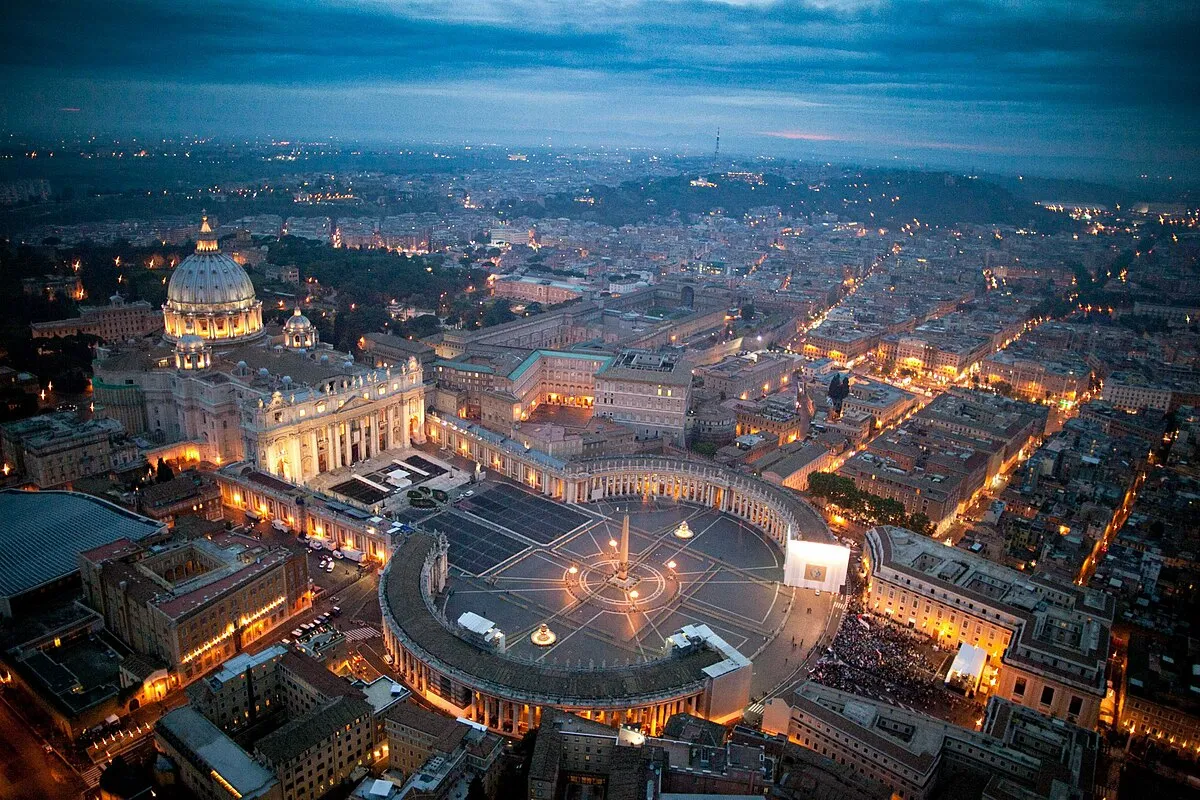
A papal transition often captures attention through ritual, symbolism, and public messaging, but the most consequential changes occur behind the scenes. Once a new pope is elected, the Vatican enters a carefully structured phase of governance adjustment designed to ensure continuity, stability, and lawful authority. This process is neither improvised nor dramatic. It follows well established norms that allow the Church to function without interruption while new leadership sets direction.
For many Catholics, Vatican governance can appear opaque, especially during transitions. In reality, the system is built to prevent power vacuums and administrative paralysis. Understanding how governance actually works after a papal transition reveals a Church that prioritizes order, legality, and institutional memory alongside spiritual leadership.
Continuity of Authority During Transition
Contrary to common assumptions, most Vatican governance does not stop during a papal transition. While certain senior roles technically lapse at the moment a pope dies or resigns, the administrative machinery continues to function. Essential offices maintain routine operations to ensure stability across the global Church.
Temporary authority is exercised according to canon law, with clearly defined limits. These safeguards prevent major policy changes while allowing necessary governance to continue. The goal is continuity rather than innovation until the new pope formally assumes office.
Once the new pope is installed, authority is fully restored, but not all at once. Governance resumes through deliberate confirmation or reassignment rather than automatic restructuring. This measured approach avoids disruption and reassures institutions worldwide that the Church remains operational and reliable.
The Role of the Roman Curia
The Roman Curia plays a central role in governance after a papal transition. Its departments continue their functions while awaiting direction from the new pope. Rather than acting independently, Curial offices operate under existing mandates and legal frameworks.
After the transition, the pope may confirm, replace, or reorganize leadership within these offices. This process often unfolds gradually. The pope assesses performance, priorities, and alignment with his governance vision before making changes.
This system allows the Vatican to balance continuity with renewal. The Curia provides institutional memory, while the pope determines long term direction. Governance evolves without destabilizing the Church’s global operations.
Decision Making and Limits on Change
During the early phase of a new papacy, decision making follows clear limits. Structural reforms, major doctrinal shifts, or long term strategies are typically deferred until the pope has had time to consult and discern. This restraint is intentional.
Governance during this phase focuses on administration rather than transformation. Routine matters proceed, while significant initiatives are carefully prepared. This approach protects the Church from reactionary decisions driven by expectation or pressure.
Once the pope begins issuing appointments and directives, governance gradually shifts from maintenance to leadership. Even then, change tends to be incremental rather than abrupt.
How Governance Signals Are Sent
In Vatican governance, signals often matter more than statements. Early appointments, confirmations of office holders, and patterns of consultation communicate priorities without formal policy declarations. Observers often learn more from who is trusted than from what is said.
These signals guide internal behavior. Departments adjust focus based on leadership emphasis, even without written instruction. Governance culture is shaped through example and expectation rather than constant decree.
This subtle system allows the Vatican to adapt without public confrontation. It also reflects a leadership style that values discipline and discretion.
Why Structure Matters for the Global Church
Vatican governance structure affects far more than Rome. Dioceses, religious orders, and diplomatic missions depend on clarity and continuity from the center. A stable transition ensures that pastoral care, legal processes, and international engagement continue without confusion.
When governance functions smoothly, local churches experience reassurance rather than uncertainty. This stability is especially important in regions facing political pressure or legal complexity.
Structure, in this sense, is pastoral. It supports mission by preventing disruption and preserving trust during moments of leadership change.
Conclusion
Vatican governance after a papal transition is defined by continuity, legal clarity, and measured authority. Rather than dramatic overhaul, the system prioritizes stability while allowing new leadership to shape direction over time. Understanding this structure reveals a Church designed to endure transitions without losing coherence, ensuring that spiritual leadership rests on solid institutional foundations.