

How Vatican Governance Reforms Resonate Across the Global Church


Governance reforms within the Vatican often originate at the center of Church administration, but their impact extends far beyond Rome. As the Catholic Church operates as a global community, changes in governance influence how local churches understand authority, accountability, and responsibility. These reforms shape expectations and practices across dioceses, religious institutions, and pastoral ministries worldwide.
For the global Church, governance reforms are not merely administrative adjustments. They signal broader priorities related to transparency, ethical leadership, and effective service. Understanding how these reforms resonate globally helps explain their importance for unity, trust, and mission across diverse cultural and social contexts.
Governance Reforms and Global Church Unity
One of the primary ways Vatican governance reforms resonate globally is through their effect on unity. Clear governance standards provide a shared reference point for local churches operating in different environments. This consistency supports cohesion across regions while allowing for pastoral flexibility.
Reforms often emphasize clearer roles, accountability, and coordination. For the global Church, these principles help ensure that governance practices reflect common values even when applied locally. Unity is strengthened when leadership at all levels operates within a transparent and coherent framework.
Shared governance principles also reduce misunderstanding. When expectations are clear, collaboration between Vatican institutions and local churches becomes more effective. This clarity reinforces a sense of belonging within a worldwide Church.
Local Churches and the Experience of Reform
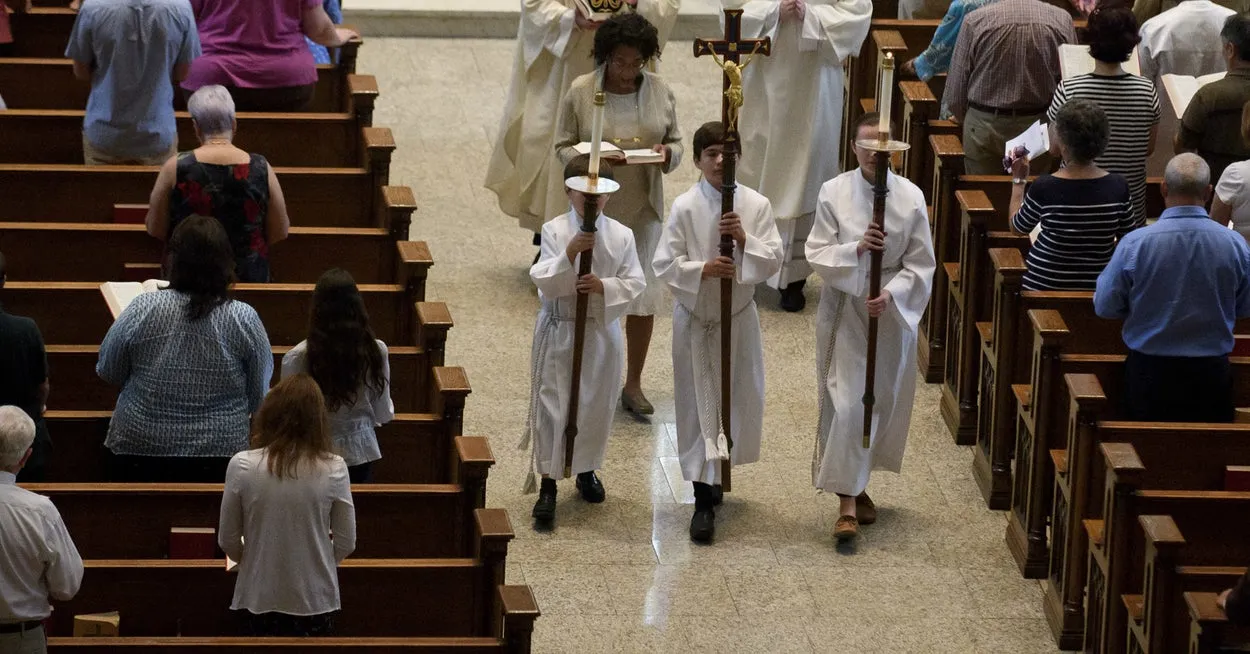
Vatican governance reforms are experienced most directly at the local level. Dioceses and Church institutions interpret reforms through their own pastoral and cultural contexts. While implementation may vary, the underlying principles shape how local governance evolves.
Local churches often view reforms as guidance rather than direct control. Emphasis on accountability and transparency encourages local leadership to review practices and strengthen trust within communities. These changes can support more effective pastoral care and administration.
The resonance of reform depends on communication and understanding. When reforms are clearly explained, local churches are better equipped to integrate them meaningfully. This process fosters cooperation rather than resistance.
Accountability and Trust Across Cultures
Accountability is a key theme in Vatican governance reforms, and its global resonance is shaped by cultural diversity. Different regions have distinct expectations regarding authority and oversight. Reforms that emphasize accountability provide a shared ethical standard while respecting local customs.
Trust grows when governance practices are perceived as fair and responsible. Across the global Church, accountability supports credibility by demonstrating that leadership is subject to ethical norms. This perception strengthens relationships between Church institutions and the communities they serve.
By promoting accountability as a moral responsibility, governance reforms speak across cultural boundaries. They reinforce the idea that ethical leadership is essential regardless of context.
Governance Reform and the Church’s Global Mission
The global mission of the Church depends on effective governance. Reforms that improve coordination and oversight enhance the Church’s ability to serve in areas such as education, charity, and pastoral outreach. Governance structures provide the foundation for mission activity worldwide.
Reforms also encourage better use of resources. When governance is clear and accountable, resources can be directed more effectively toward mission priorities. This efficiency supports the Church’s presence in regions with differing needs and challenges.
Global mission benefits from credibility. Governance reforms that strengthen trust enable the Church to engage more confidently with societies and institutions. This engagement supports the Church’s role as a moral and social actor on the world stage.
Dialogue Between Center and Periphery
A global Church requires ongoing dialogue between central governance and local communities. Vatican governance reforms often highlight the importance of listening and consultation. This approach allows global perspectives to inform governance decisions.
Dialogue helps ensure that reforms resonate authentically. Local experiences provide insight into how governance principles are applied in practice. This exchange strengthens mutual understanding and shared responsibility.
By fostering dialogue, governance reforms contribute to a more participatory Church. This dynamic supports unity while honoring diversity across the global community.
Conclusion
Vatican governance reforms resonate across the global Church by shaping unity, accountability, and mission. Through shared principles, local adaptation, and ongoing dialogue, these reforms influence how governance is understood and practiced worldwide. Their impact reinforces trust and strengthens the Church’s ability to serve diverse communities with responsibility and coherence.