

Humanitarian operations linked to the Sovereign Military Order of Malta are facing mounting strain in the Holy Land as restrictions on movement and persistent insecurity disrupt medical care and outreach. Speaking in Rome, the Order’s leadership highlighted the difficulties confronting the Holy Family Hospital in Bethlehem, where shortages of access, staff mobility, and supplies are limiting daily operations. Mobile clinics serving vulnerable Bedouin communities in the West Bank have been unable to reach patients due to violence and road closures, leaving isolated populations without basic health services. These constraints reflect a broader deterioration of humanitarian space, where medical neutrality is increasingly tested by conditions on the ground. The situation underscores how healthcare institutions, even those with long standing local roots, struggle to function when instability becomes structural rather than episodic.
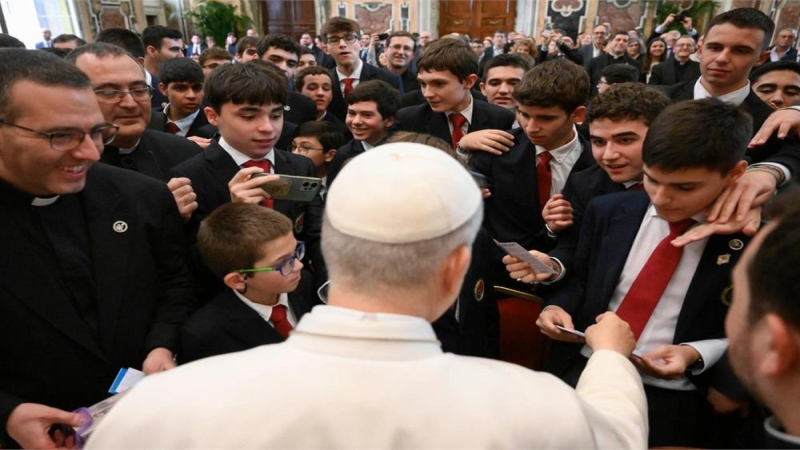
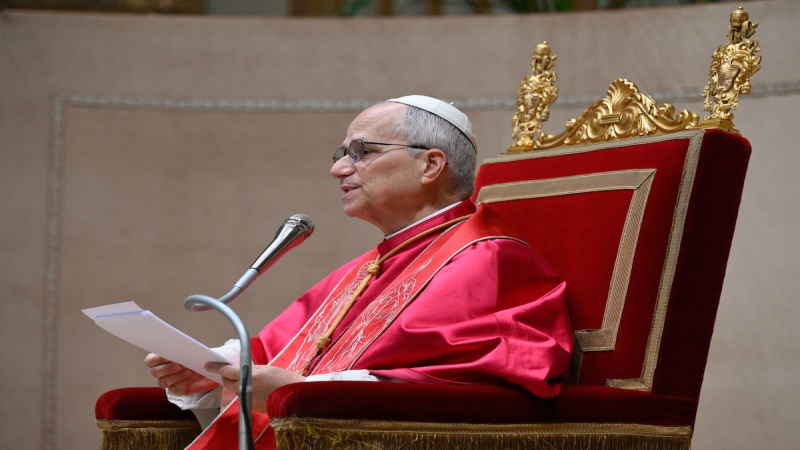
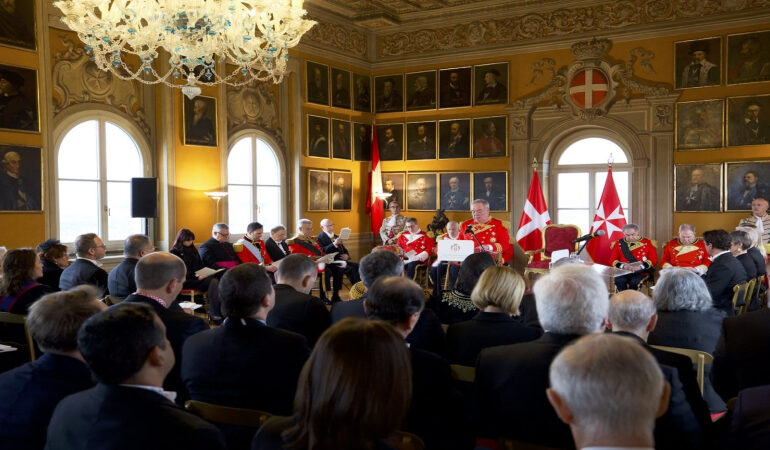
Addressing diplomats accredited to the Order, John Dunlap emphasized that engagement in the Middle East remains central to the Order’s identity and mission. Alongside concern for Bethlehem and the West Bank, he reaffirmed commitment to post conflict reconstruction efforts in the Gaza City, coordinated with regional and international partners. While reconstruction remains largely aspirational amid ongoing instability, the Order has positioned itself as ready to contribute medical expertise and humanitarian coordination once conditions allow. The emphasis on Gaza reflects an understanding that recovery will require not only infrastructure rebuilding but also long term healthcare and social support systems. The Order’s appeal situates its work within a wider moral responsibility to sustain civilian life where political solutions remain distant.
Beyond the Holy Land, the address placed the Order’s regional challenges within a global humanitarian framework. Operations across Africa, Eastern Europe, and Latin America were cited as evidence of a broadening response to conflict, displacement, and poverty. In Ukraine, the Order reiterated calls for civilian protection and respect for humanitarian law, while in Africa and the Americas it highlighted investment in medical and social programs aimed at long term resilience. These global commitments reinforce the Order’s self understanding as a neutral actor guided by charity rather than political alignment. Yet the contrast between ambition and operational reality in places like Bethlehem illustrates how neutrality alone does not guarantee access when violence and restriction dominate everyday life.
Against this backdrop, the Order has renewed its call for enhanced standing within the United Nations system. While it already holds permanent observer status and maintains diplomatic relations with more than one hundred states, leadership argues that its humanitarian reach warrants a more formal role in international coordination. Support from diplomatic representatives framed the Order as a practitioner of humanitarian diplomacy at a time when norms are increasingly fragile. The request reflects a strategic effort to translate moral authority and field experience into greater influence. As hospitals face constraints and aid corridors narrow, the Order’s push for a wider platform highlights the tension between global humanitarian aspiration and the hard limits imposed by conflict on the ground.