
Iceland Investigates Catholic Priest Over Comments on Homosexuality and Conversion Therapy Laws

Authorities in Iceland have launched an inquiry into remarks made by a Catholic priest that may conflict with national laws banning conversion therapy, highlighting growing tensions between religious expression and state legislation. Police in Reykjavik confirmed they are reviewing statements made earlier this month to determine whether legal action is warranted. The case has drawn national attention as it raises questions about how religious teachings interact with laws designed to protect individual rights, particularly in areas related to sexual orientation and identity within modern democratic societies.
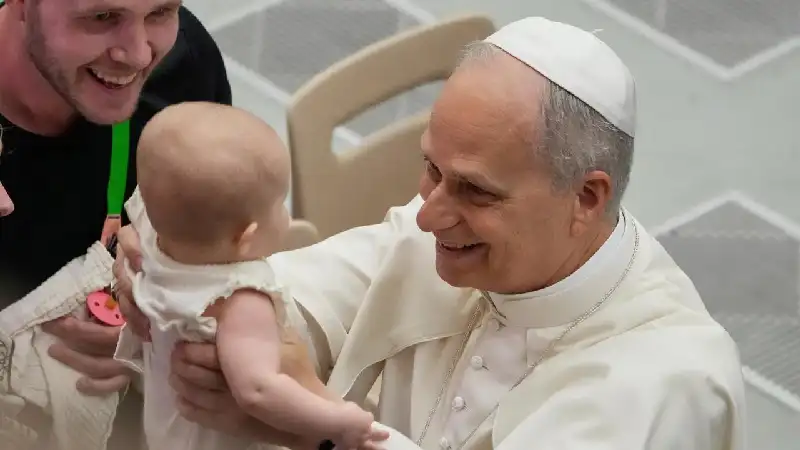
The priest at the center of the investigation stated that individuals who wish to move away from homosexual lifestyles often struggle to find support, suggesting that such guidance is lacking in contemporary society. He described the Church as a place where individuals seek spiritual help through prayer, sacraments, and pastoral conversations. His comments included references to moral teachings that encourage self control and personal transformation, which he framed as part of broader Christian life. Authorities are now assessing whether these statements could be interpreted as promoting practices that fall under the legal definition of conversion therapy.
Iceland’s legislation, introduced in 2023, prohibits methods that attempt to alter a person’s sexual orientation or identity through coercion, deception, or pressure. While the priest emphasized that the Church does not engage in organized therapy programs and instead offers spiritual guidance, critics argue that even informal approaches may still fall within the scope of the law. The investigation reflects wider debates across Europe about the boundaries between freedom of religion and legal protections for vulnerable groups, particularly as governments strengthen regulations in this area.
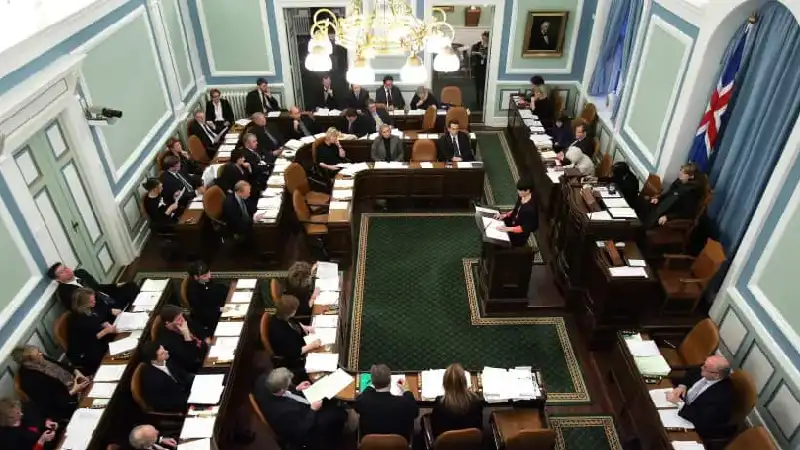
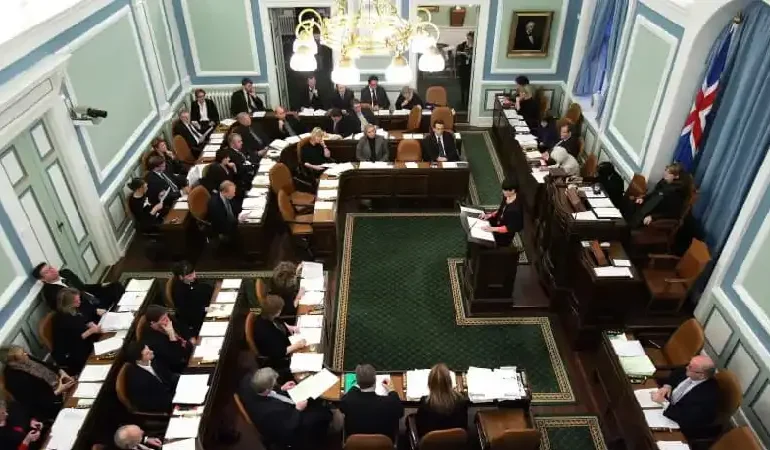
Public reaction has been swift, with political leaders and advocacy groups calling for clarity and accountability. Some officials have expressed concern that the statements could undermine national commitments to equality and human rights, while others have urged religious institutions to align their practices with existing laws. Advocacy organizations representing LGBTQ communities have described the remarks as harmful and have called for a thorough examination to ensure that legal standards are upheld. The issue has also been raised in parliament, where lawmakers questioned the broader message such statements send to society.
The case has also prompted discussion within religious and diplomatic circles, as it touches on the role of faith institutions in increasingly pluralistic societies. The priest indicated that while he respects civil laws, his adherence ultimately depends on alignment with religious principles, a position that reflects ongoing tensions between personal belief systems and state authority. Such situations often lead to complex legal and ethical considerations, particularly when religious teachings intersect with public policy and social expectations.
As the investigation continues, authorities have not yet determined whether formal charges will be filed. The outcome could set an important precedent for how similar cases are handled in the future, both in Iceland and across Europe. The situation underscores a broader global debate about how societies balance freedom of belief with protections against discrimination, a challenge that continues to evolve as legal frameworks and cultural values shift in response to changing social dynamics.