In El Salvador, Friends Remember “Padre Ron” as New York’s Next Archbishop
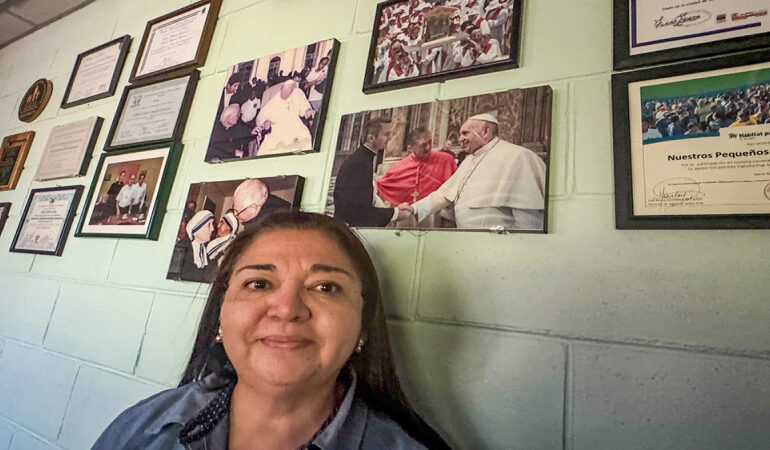

In the small town of Texistepeque in northwestern El Salvador, memories of Archbishop elect Ronald Hicks are still alive in everyday stories, shared laughter, and quiet gratitude. Long before his appointment to lead the Archdiocese of New York, Hicks was known simply as Padre Ron, a priest who arrived not with authority, but with humility, sandals, and a willingness to listen.
Karen de Figueroa recalls the day Hicks arrived in 2005 to work with Nuestros Pequeños Hermanos, an organization dedicated to caring for orphaned and vulnerable children. Children waved small Salvadoran and American flags as a young, casually dressed priest stepped out of a car. Many expected a distant figure in clerical black. Instead, they met someone approachable and warm, someone who would soon become family.
Nuestros Pequeños Hermanos, often called NPH, has served children across Latin America since the 1950s. In El Salvador, it became a home for those without one, offering education, mentorship, food, and spiritual guidance. Hicks had first encountered the organization years earlier while discerning his vocation and volunteering in Mexico to learn Spanish. What began as a practical decision turned into a lifelong bond.
Brenda Méndez, director of programs for NPH in El Salvador, remembers Hicks as a leader who never imposed himself. His work as regional director for Central America from 2005 to 2010 involved administration, but his deeper impact came through care. He attended meetings to listen, supported staff quietly, and helped them reflect on their work through a spiritual lens. His presence strengthened those who, in turn, cared for the children.
Former residents say the community offered more than shelter. Álvaro Mejía, an NPH graduate, once described it as a way of life rooted in doing good without conditions. Many graduates later returned as staff, fulfilling the founder’s vision that those once helped would help others. Hicks encouraged that cycle, remaining close to former residents even as they grew into adulthood, started families, or migrated abroad.
His friendships extended beyond formal ministry. José Juan Lizarde remembers teaching Hicks to dance cumbia and salsa in Mexico, trading dance lessons for English practice. When Hicks later shared his decision to return to the United States to be ordained, Lizarde recalls the surprise and sadness, followed by admiration for a friend who felt called to serve a greater family.
During his years in El Salvador, Hicks helped oversee the construction of a chapel on the NPH campus, personally involved in every detail, from funding to design. The chapel became a visible sign of his faith and commitment. Even today, his small house on the grounds, marked Casa Padre Ron, remains a place of memory, complete with images of the Virgin Mary and Saint Óscar Romero.
Though his responsibilities grew after his return to the United States and eventual appointment as bishop, Hicks continued visiting whenever possible. He attended graduations, anniversaries, and celebrations, often making time despite demanding schedules. News of his appointment as New York’s next archbishop was met with pride and concern. Friends worry visits may become rarer, but Hicks reassured them with a smile, noting that New York offers many direct flights back to El Salvador.
For those who knew him as Padre Ron, titles matter less than the bond built through presence, faith, and shared life.