In Southern Brazil, a Religious Community Offers Dignity and Care to the Elderly in Body and Spirit
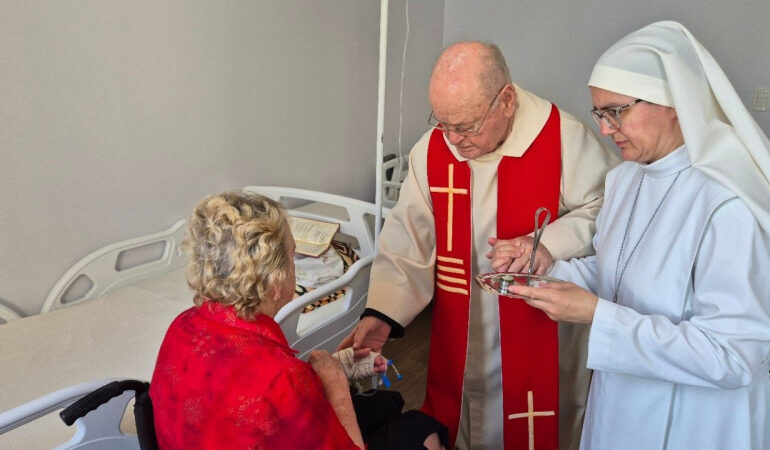

In the quiet town of Rio do Oeste in southern Brazil, a religious community is quietly redefining what it means to care for the elderly. At a nursing home run by the Little Missionaries of Mary Immaculate, more than 100 older men and women are accompanied daily with patience, tenderness, and a deep respect for their human dignity, not only in physical care but also in spiritual and emotional support.
The sisters walk closely with residents through the final stages of life, encouraging those who are still able to participate in small tasks around the home. These simple contributions, whether helping in the garden or assisting with light activities, give residents a renewed sense of responsibility and belonging. For the community, aging is not viewed as a period of decline, but as a meaningful chapter still rich with purpose.
At the heart of this mission is Sr Denise Cristina, a nurse and director of the home who has dedicated more than three decades to caring for the elderly. Despite the demands of administration and daily operations, she makes it a priority to be present with residents, helping them eat, assisting with personal care, and simply sitting beside those who need company. She believes attentiveness is essential, especially for residents who can no longer express their needs clearly.
For Sr Denise, small gestures carry profound importance. A glass of water offered at the right moment or a quiet word spoken with kindness can ease suffering more than medicine alone. Many residents face limitations in speech, movement, and independence, making them entirely reliant on caregivers. She sees this dependence as a daily invitation to live the Gospel through compassion and service.
Love, she says, is the most transformative element in the home. Those who have experienced love throughout their lives often face illness and decline with calm and acceptance. Others arrive burdened by anger or loneliness, shaped by years of hardship. In these cases, a simple gesture of welcome can slowly soften hearts. With time, patience, and consistency, love fills spaces once marked by resistance.
Spiritual care is equally central to the mission. Beyond physical attention, the sisters recognize that this stage of life is also a time of preparation for one’s encounter with God. The presence of 93 year old Father Belmiro, the oldest priest in the diocese, has become a source of comfort and grace. Living in the home for the past three years, he celebrates daily Mass, hears confessions, offers blessings, and administers the anointing of the sick within his physical limits.
For Father Belmiro, life at the home has been a journey of humility and inner conversion. He speaks openly about learning meekness and accepting help from others, a challenge for someone accustomed to lifelong ministry. Though limited by age, he sees his presence as a way to share joy and faith with both residents and sisters.
Residents themselves continue to give what they can. Dona Lourdes, 92, helps with sewing and decorates the grounds with flowers from the garden. She says her greatest joy is doing good for others, even when material strength is gone. Her quiet acts of service reflect the spirit that defines the home.
Young visitors often leave deeply moved, carrying with them lessons that cannot be taught elsewhere. In listening to the elderly, they discover what truly endures: wisdom shaped by love, patience, and faith.