India Supreme Court Grants Temporary Relief to Tribal Christians in Chhattisgarh Burial Dispute
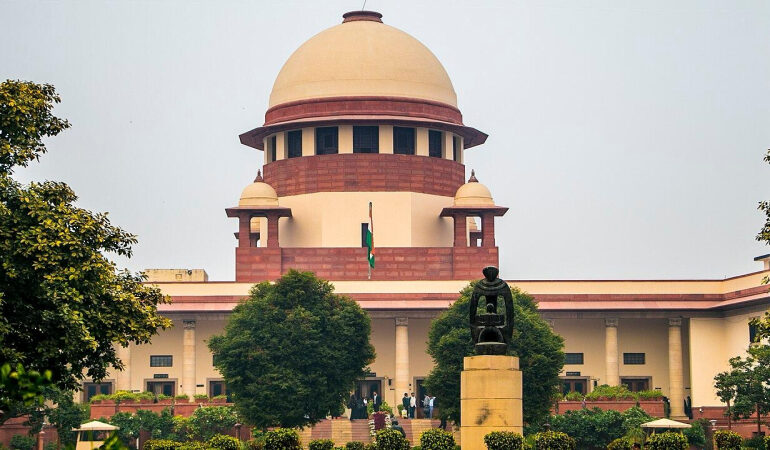

India’s Supreme Court has granted interim protection to tribal Christians in Chhattisgarh state, restraining the forcible exhumation and relocation of bodies buried in village graveyards. The temporary order, issued by a three judge bench on February 18, offers immediate relief to affected families but does not yet resolve the broader legal dispute.
The case centers on allegations that tribal Christians have faced obstruction and intimidation when attempting to bury their dead in traditional village burial grounds. Petitioners argued that in several instances bodies were exhumed and relocated under pressure from local groups, actions they described as violations of constitutional protections guaranteeing freedom of religion and dignity in death.
Archbishop Victor Henry Thakur of Raipur welcomed the interim order as a necessary safeguard but noted that it does not constitute final justice. He stated that burial practices of tribal Christians had historically not been contested in many villages and expressed concern that recent tensions have been fueled by politically motivated groups. According to Church leaders, the issue risks deepening social divisions and undermining constitutional guarantees.
The restraining order follows a public interest petition filed by the Chhattisgarh Association for Justice and Equality, supported by pastors, activists, and local residents. The petition described burial grounds traditionally shared by villagers as increasingly restricted along religious lines. It also cited incidents of forced exhumations and reburials carried out miles away from original burial sites.
One incident referenced involved a village in Bastar district where the remains of a tribal Christian were allegedly exhumed and cremated. Petitioners characterized the act as intimidation aimed at discouraging Christian funeral rites within local communities.
The legal debate builds on a divided Supreme Court ruling from January 2025 concerning whether constitutional protections for funeral rites include the unqualified right to choose the place of burial. While the Court recognized the protection of funeral ceremonies under the Constitution, it did not reach consensus on burial location rights. Lawyers in the current case argued that the earlier split decision has been misinterpreted in some districts to restrict burials even where no local dispute exists.
At a press conference in New Delhi, representatives of the United Christian Forum described the interim order as a beacon of hope for minority communities. The group reported recording multiple burial related incidents in 2025, particularly in Chhattisgarh, and expressed concern over what it described as a broader pattern of hostility toward tribal Christians.
Advocates are urging authorities to clarify burial rights irrespective of religion and to ensure municipal bodies demarcate designated burial spaces accessible to all residents. The Supreme Court’s next hearings are expected to examine the constitutional scope of religious freedom, local governance authority, and protections for tribal identity under Indian law.