
Inside a Future Conclave: Analysts Outline Shifts in Geographic Influence Among Cardinal Electors
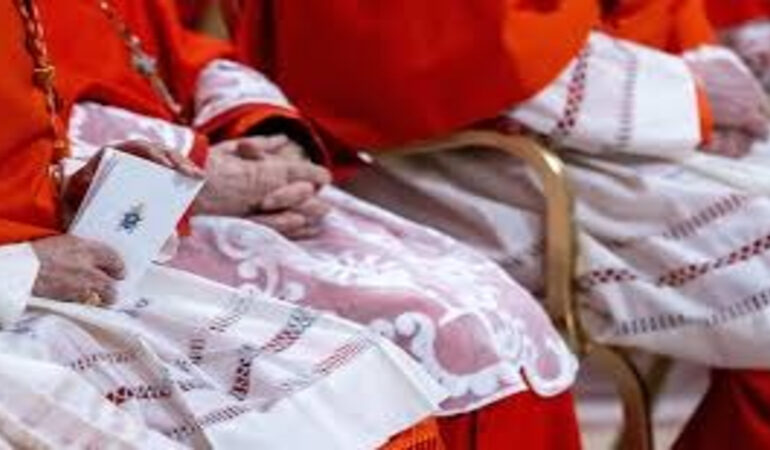

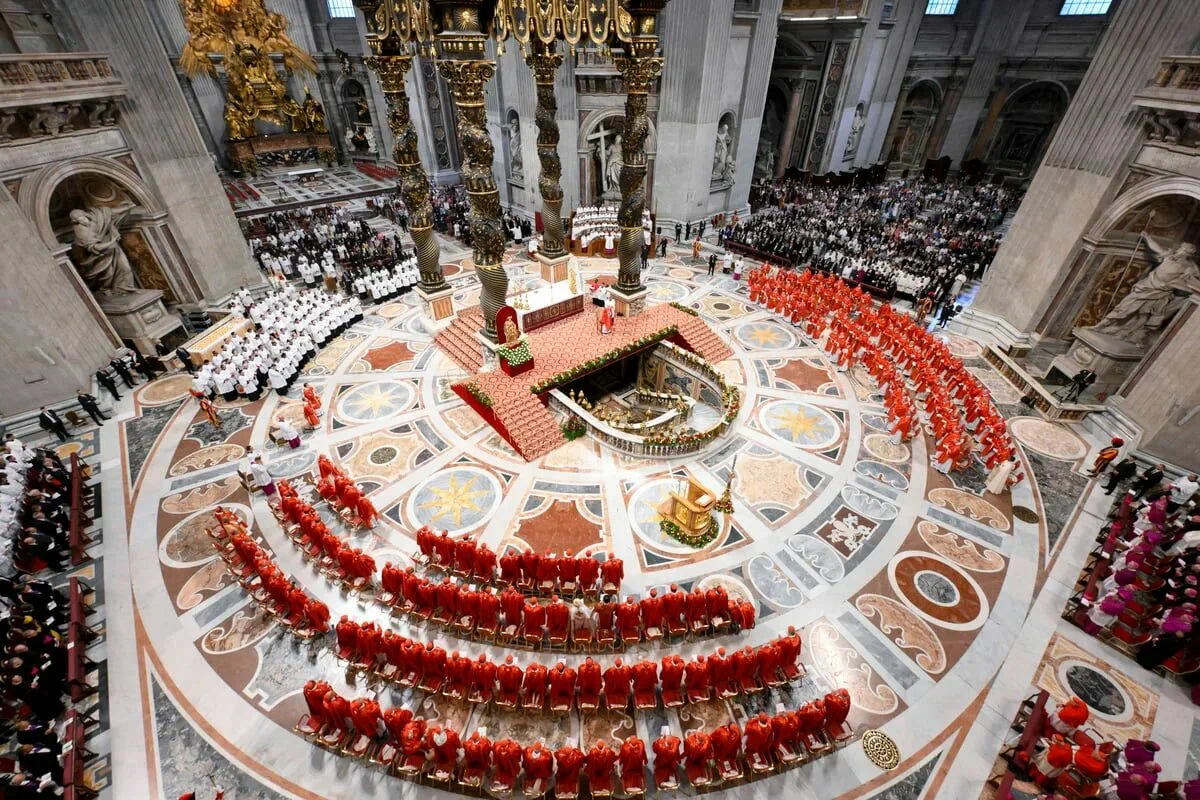
As scholars and Vatican observers continue examining the global composition of the College of Cardinals, many have noted a gradual shift in the geographic distribution of electors who would one day participate in a future conclave. These discussions are not predictions of outcomes but reflections on changing patterns within the Church’s leadership. They offer insight into how the worldwide Catholic community shapes the perspectives of those entrusted with electing a future pope.
The current distribution of cardinal electors reflects decades of appointments that highlight the Church’s expanding presence outside its historically dominant European base. Analysts emphasize that understanding these shifts helps explain the evolving dynamics of the global Church and the pastoral priorities emerging across continents. While the conclave process remains unchanged, the backgrounds and experiences of electors continue to diversify.
Geographic Shifts Within the College of Cardinals
Analysts have observed that participation from regions such as Africa, Latin America, and parts of Asia has grown steadily in recent decades. This reflects demographic realities within the Catholic population, many of whom live in these regions. Europe still maintains a strong presence, but the balance is no longer as heavily concentrated as it once was. The increasing representation of bishops from countries experiencing rapid growth in the Catholic population brings new pastoral perspectives to the broader governance of the Church.
The diversification of the College of Cardinals also underscores the Vatican’s efforts to acknowledge the lived realities of Catholics worldwide. Cardinals coming from areas marked by poverty, conflict, or social transformation bring experience that informs discussions about evangelization, humanitarian work, and the challenges facing local churches. These perspectives contribute to the collective wisdom of the College and influence the themes that may guide its deliberations.
This shift does not diminish the historic role of European cardinals but places it within a more global framework. Observers note that the Church’s growing multicultural identity strengthens the conclave by ensuring that multiple regions of the world participate in shaping the future direction of the papacy.
The Role of Local Church Growth in Representation
The increasing visibility of cardinals from the global South corresponds to significant growth in local Catholic communities. Nations in Africa and Asia have seen rising numbers of baptisms, vocations, and new diocesan initiatives. In Latin America, where Catholicism remains deeply rooted, pastoral concerns often revolve around social justice, economic challenges, and the preservation of community life.
These regional experiences influence the issues that cardinals prioritize. Many observe that concerns such as migration, poverty, youth formation, and interreligious dialogue hold particular relevance for electors from developing nations. Their insights help ensure that the conclave remains attentive to the needs of believers in diverse environments.
At the same time, European cardinals contribute longstanding administrative and theological expertise. Their engagement with secularized societies offers valuable lessons about evangelization in regions where religious practice has declined. Together, these perspectives create a more comprehensive picture of the global Church.
Impact of Cultural Diversity on Conclave Dynamics
The growing cultural diversity of the College of Cardinals contributes to a richer exchange of viewpoints during official gatherings. Cultural background shapes how cardinals approach pastoral challenges, interpret ecclesial priorities, and envision the future mission of the Church. While the conclave remains a deeply spiritual process rooted in prayer and discernment, the varied experiences of members influence the themes they consider most urgent.
Analysts note that cardinals often bring insights from their local realities to broader Church discussions. Factors such as political instability, economic inequality, or interfaith cooperation may shape their understanding of the Church’s global role. This variety of experiences fosters dialogue that helps identify shared concerns across regions.
The increasing diversity does not change the core procedures of a conclave but enriches the context in which discernment takes place. It strengthens the universality of the Church by ensuring that global voices contribute to the process.
Maintaining Continuity While Embracing Global Representation
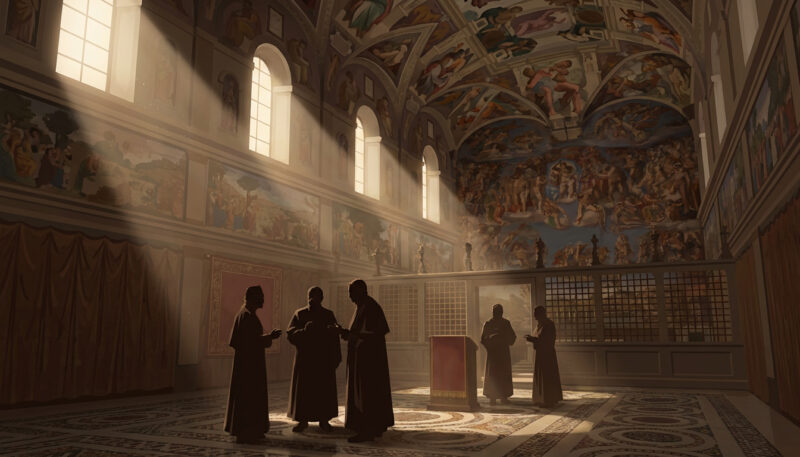
Despite demographic changes, the conclave remains grounded in long-standing traditions that prioritize spiritual guidance over political calculation. Cardinals enter the process with the intention of discerning the needs of the universal Church rather than advancing regional agendas. The geographic shifts simply reflect the broader reality of Catholic life today, which is increasingly global in character.
This combination of continuity and diversity allows the conclave to serve as a unifying moment for the Church. It draws together leaders from different backgrounds who share a commitment to the Gospel and a desire to support the mission of the Church in every corner of the world.
Conclusion
The evolving geographic composition of the College of Cardinals highlights the increasingly global nature of the Catholic Church. By incorporating perspectives from growing communities in Africa, Asia, and Latin America while maintaining the contributions of Europe and North America, the conclave remains a reflection of the Church’s universal identity. These shifts support a richer and more comprehensive approach to leadership discernment, strengthening the unity and mission of the Church.