


Inside the Catholic Church’s Quiet Shift Toward Institutional Resilience
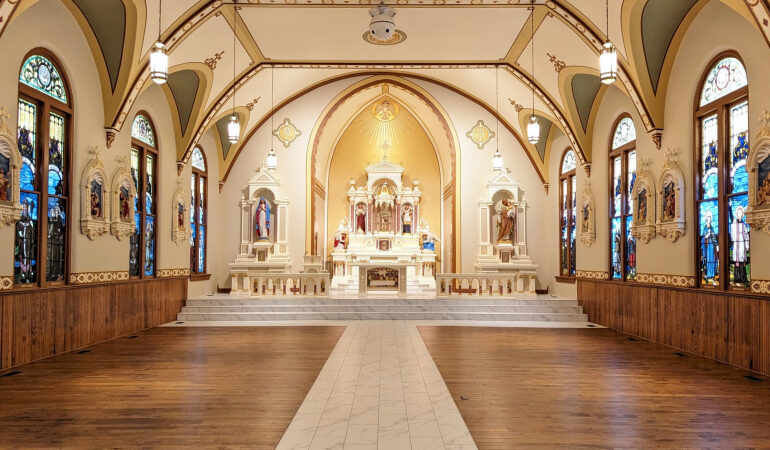

Across the global Catholic Church, a quiet but significant transformation is underway. Rather than focusing on numerical growth or geographic expansion, Church leadership is increasingly prioritizing resilience. This shift reflects a sober assessment of demographic realities, cultural change, and the long-term sustainability of ecclesial life.
In many regions, especially in parts of Europe and North America, declining vocations and aging congregations have prompted a reevaluation of how the Church organizes itself. Instead of resisting these changes, dioceses are adopting adaptive strategies that aim to preserve mission, sacramental life, and community presence under evolving conditions.
Sustainability Over Expansion as a Strategic Priority
The Church’s renewed focus on sustainability marks a departure from earlier models centered on expansion. Diocesan planning now emphasizes right-sized structures that can function effectively with available clergy, financial resources, and active parishioners. This approach seeks to ensure that parishes remain viable pastoral centers rather than overextended institutions.
Parish consolidation has become a key component of this strategy. While often emotionally challenging, mergers are increasingly framed as pastoral realignments rather than closures. The goal is to concentrate resources where they can best support worship, formation, and outreach, maintaining quality of ministry even with fewer physical locations.
This shift also reflects a broader theological understanding of stewardship. Sustainability is viewed not as retreat, but as responsible care for the Church’s human and material resources in service of future generations.
Adapting Vocational and Clergy Models
Vocational planning has emerged as another area of adaptation. With fewer priestly vocations in some regions, dioceses are exploring collaborative ministry models that make more effective use of available clergy. Shared pastoral assignments and team-based parish leadership are becoming more common.
At the same time, greater emphasis is being placed on the role of permanent deacons and lay ecclesial ministers. These roles are increasingly integrated into parish life, supporting sacramental preparation, administration, and pastoral care. This diversification of ministry reflects a pragmatic response to changing realities without altering core sacramental theology.
By broadening participation in leadership, the Church is reinforcing resilience through shared responsibility. This model supports continuity of mission even amid vocational challenges.
Administrative Modernization at the Parish Level
Administrative modernization is another pillar of institutional resilience. Many dioceses are investing in digital infrastructure to streamline parish operations and improve coordination. Centralized databases, digital sacramental records, and standardized financial systems are becoming more common.
These changes reduce administrative burden on clergy and volunteers, allowing greater focus on pastoral ministry. Improved data management also enhances transparency and accountability, strengthening trust within parish communities.
Modernization is not pursued as an end in itself, but as a tool for sustainability. Efficient administration supports long-term planning and helps parishes adapt to changing circumstances with greater flexibility.
Preserving Sacramental and Community Life
Despite structural adjustments, Church leaders consistently emphasize the preservation of sacramental life and community identity. Even as parishes merge or share resources, access to the Eucharist and pastoral care remains central.
Efforts are often made to retain local traditions and community bonds within new parish configurations. This balance between structural change and pastoral continuity reflects an understanding that resilience depends as much on relationships as on organization.
By prioritizing worship and community, the Church seeks to ensure that adaptation strengthens rather than diminishes its spiritual mission.
Conclusion
The Catholic Church’s shift toward institutional resilience represents a measured and forward-looking response to contemporary challenges. By prioritizing sustainability, adapting leadership models, modernizing administration, and safeguarding sacramental life, the Church is reshaping itself for long-term stability. Though less visible than dramatic reform, this quiet evolution may prove essential to sustaining ecclesial life in the decades ahead.