

Inside the Vatican’s Administrative Reset Under a New Papacy
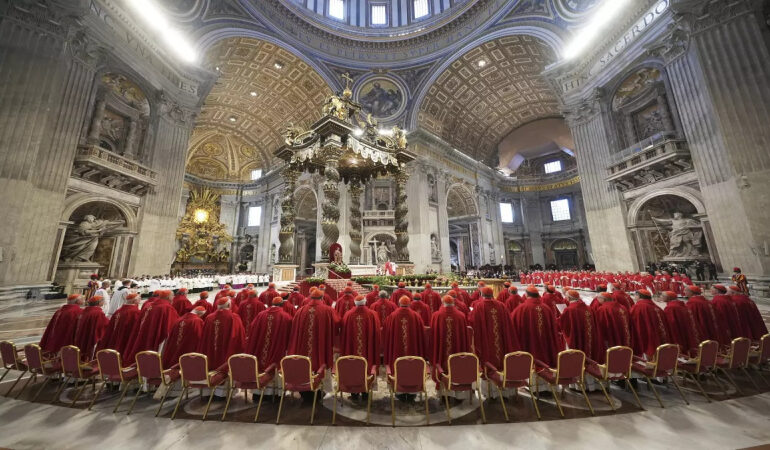

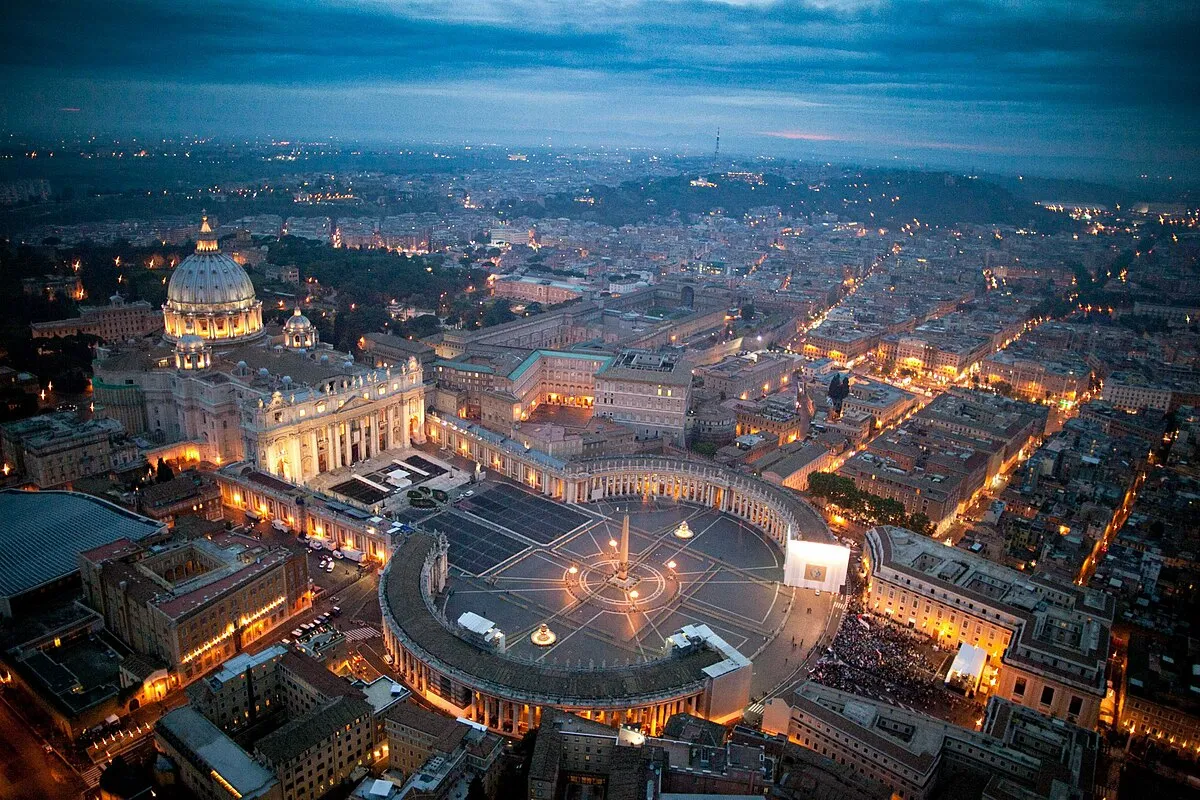
The transition to a new papacy often brings attention to theology and public tone, but some of the most consequential changes occur quietly within administration. Under Pope Leo XIV, the Vatican has entered a phase of careful administrative reset that is less about overhaul and more about recalibration. This process reflects an effort to strengthen governance without destabilizing the institutional foundations of the Church.
Rather than announcing sweeping reforms, the new papacy has allowed changes to emerge through internal adjustments, procedural clarity, and leadership discipline. These developments may not dominate headlines, but they shape how the Vatican functions day to day. Understanding this administrative reset offers insight into how Pope Leo XIV intends to govern from the center.
Reasserting Structure and Internal Order
At the heart of the administrative reset is a renewed emphasis on structure. Pope Leo XIV has signaled that effective governance depends on clear roles, defined responsibilities, and respect for established processes. This focus represents a move away from improvisational management toward predictable institutional operation.
By reinforcing internal order, the Vatican reduces ambiguity in decision making. Departments are encouraged to function within their mandates rather than relying on informal pathways. This creates a more stable environment where authority is exercised consistently, allowing governance to proceed with fewer internal tensions.
Restoring Confidence in the Roman Curia
A key component of the reset involves restoring confidence in the Roman Curia as a governing body. Rather than sidelining its role, the current papacy appears intent on strengthening its credibility. This includes encouraging professionalism, accountability, and coordination among offices.
Such an approach recognizes that the Curia serves as the administrative backbone of the universal Church. When it functions effectively, the Vatican can engage global challenges with greater coherence. Rebuilding trust in these structures is essential for long-term institutional stability.
Administrative Change Without Public Spectacle
One defining feature of the current reset is its quiet nature. Pope Leo XIV has avoided framing administrative adjustments as public reform campaigns. Instead, changes are unfolding through appointments, internal guidance, and procedural refinement.
This low-profile approach reduces resistance and allows reforms to take root gradually. By avoiding constant public signaling, the Vatican can focus on implementation rather than perception. Administrative effectiveness, rather than visibility, becomes the primary measure of progress.
Aligning Governance With Global Realities
The administrative reset also reflects awareness of the Church’s global scope. Vatican governance must respond to diverse cultural, legal, and social contexts. Under the new papacy, there is a clear effort to ensure that administrative practices support this global mission.
This includes improving coordination between Rome and local Churches. Clearer administrative pathways help bishops and Church leaders navigate Vatican processes more effectively. Over time, this alignment can strengthen unity while respecting regional realities.
Discipline as a Form of Leadership
Another element shaping the administrative reset is discipline. Pope Leo XIV’s leadership style emphasizes consistency and restraint. Administrative decisions are guided by long-term considerations rather than immediate reaction.
This disciplined approach reinforces credibility within the Vatican. When leadership operates predictably, institutions function with greater confidence. Discipline, in this context, becomes a stabilizing force that supports both governance and pastoral mission.
Conclusion
The Vatican’s administrative reset under Pope Leo XIV is defined by structure, restraint, and institutional confidence. Rather than dramatic reform, the focus is on restoring clarity, professionalism, and internal order. These quiet adjustments are reshaping how the Vatican governs itself, laying a foundation for steady leadership that supports the Church’s global mission with coherence and durability.