


Inside the Vatican’s Latest Push for Financial and Administrative Transparency
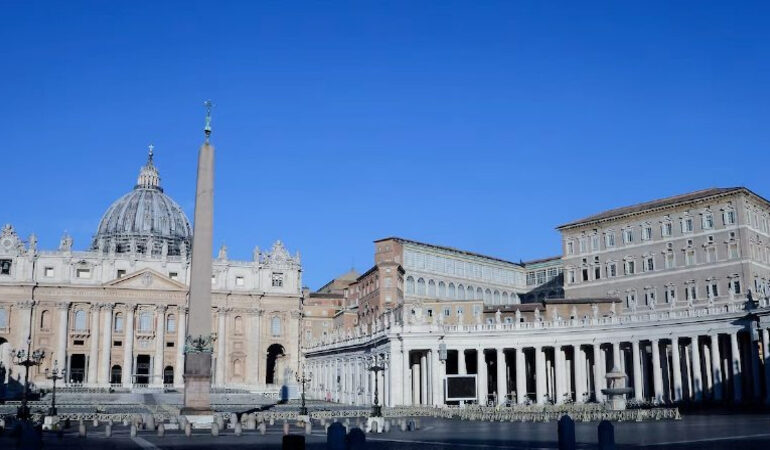

The Vatican’s renewed emphasis on financial and administrative transparency has become one of the most defining priorities for Church governance in recent years. Following a period of internal review, global scrutiny, and evolving expectations for institutional accountability, the Holy See continues refining its systems to ensure clarity, integrity, and responsible stewardship. The developments underway in 2025 reflect years of gradual reform, combined with a consistent effort to align Church administration with internationally recognized standards of financial governance.
These reforms have taken on greater significance as the Vatican works to strengthen trust following administrative challenges and to build confidence among Catholics, partner institutions, and international observers. Much of the current progress is the result of reforms launched under previous papacies and reinforced during Pope Francis’ tenure. Now, the Vatican Press Office and governing bodies continue implementing these measures with a focus on improved oversight, auditing, and modern administrative tools.
Strengthening Oversight Through Updated Governance Structures
A central component of the Vatican’s transparency effort is the strengthening of governance bodies responsible for financial supervision. The Secretariat for the Economy, the Council for the Economy, and the Office of the Auditor General remain key institutions shaping the Holy See’s financial integrity. Updated procedures aim to increase the independence of oversight offices, enhance internal controls, and ensure that all departments follow unified financial guidelines.
Recent regulatory adjustments have emphasized consistent reporting standards among dicasteries and institutions that manage funds. This includes clearer processes for budget planning, expenditure monitoring, and internal approval pathways. These governance structures are intended to foster a culture of responsibility, where every department understands its role in maintaining transparent financial practice.
Alongside institutional oversight, revisions in procurement rules have introduced greater clarity and competitiveness. The Vatican’s updated procurement norms are designed to minimize conflicts of interest, ensure fair bidding, and protect Church resources from unnecessary risk.
Improving Financial Reporting and Public Communication
Another important element in the transparency initiative involves financial reporting. The Vatican has increased efforts to present annual financial summaries that provide clearer insight into the assets, expenses, and administrative operations of the Holy See. While the complexity of Church institutions makes this challenging, the long term goal is to create a more accessible financial picture that helps the public understand how resources are used.
Improved communication also extends to explaining the purpose of Vatican institutions and the responsibilities they hold. By offering more context around financial decisions and administrative changes, the Holy See aims to create a clearer line of accountability. This approach supports a more constructive relationship with the global Catholic community and strengthens the credibility of Vatican governance.
Modernizing Administrative Systems for Greater Efficiency
The push for transparency is closely linked with the Vatican’s ongoing administrative modernization. Many institutions within the Holy See have begun adopting digital tools for record keeping, human resource management, and financial coordination. These updated systems help reduce inefficiencies, increase accuracy, and streamline communication between departments.
Modernization efforts also include professional training programs for employees and officials who manage administrative and financial responsibilities. By improving technical expertise and establishing common standards for financial operations, the Vatican seeks to ensure that transparency reforms remain sustainable across future generations of leadership.
Ensuring Accountability and Ethical Governance
As part of its broader transparency goals, the Vatican continues refining internal processes for accountability. This includes strengthening mechanisms for internal investigation and establishing clear procedures for addressing administrative misconduct when it arises. The objective is not only to correct problems when they occur but to build preventive systems that reduce the likelihood of improper financial behavior.
Ethical governance extends to partnerships and financial engagements with outside organizations. The Vatican aims to ensure that financial relationships align with Catholic moral teaching and that external collaborations uphold high standards of integrity. This ongoing effort reflects a commitment to responsible stewardship of resources entrusted to the Church.
Conclusion
The Vatican’s latest transparency initiatives represent a long term commitment to responsible governance, financial clarity, and institutional integrity. Through strengthened oversight, clearer reporting, administrative modernization, and a firm focus on ethical accountability, the Holy See seeks to build trust and strengthen its mission. These reforms not only address current expectations but also prepare the Church for future challenges by promoting responsible and transparent leadership across all levels of administration.