
Inside the Vatican’s Push for Administrative Stability After Papal Transition


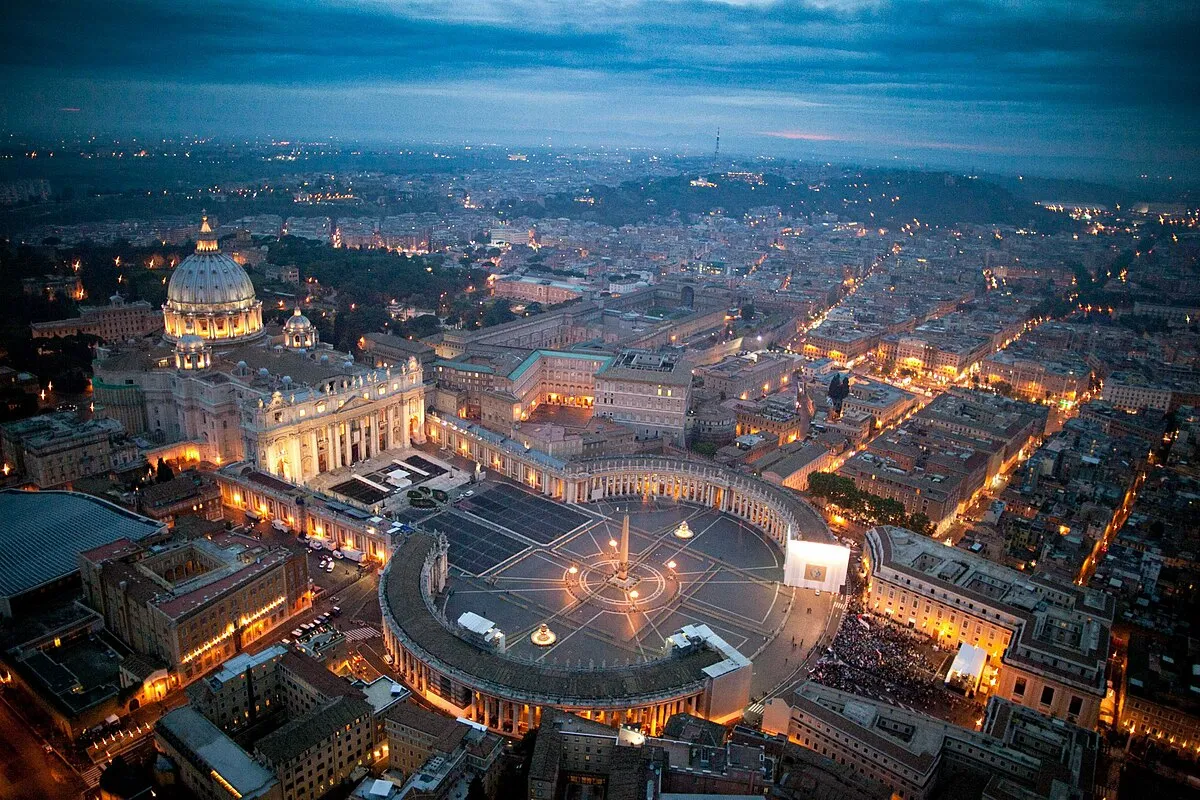
Papal transitions are moments of both continuity and vulnerability for the Vatican’s internal operations. With the election of a new pontiff, the focus often shifts quickly to symbolism and public direction. Yet behind the scenes, the Holy See enters a critical phase of administrative recalibration. In the period following the transition to the leadership of Pope Leo XIV, the Vatican has placed clear emphasis on reinforcing administrative stability across its governing structures.
This focus reflects an institutional understanding shaped by history. The Vatican’s global responsibilities require uninterrupted coordination regardless of leadership change. From diplomatic relations to internal governance, administrative consistency ensures that the Church’s mission continues without disruption. The current phase underscores the importance of internal order as a foundation for broader ecclesial direction.
Administrative Stability as a Strategic Priority
The most important element of the Vatican’s post transition strategy is the prioritization of administrative stability. Rather than introducing immediate structural changes, the leadership has reinforced existing processes and clarified operational responsibilities. This approach reduces uncertainty within curial offices and supports continuity across departments.
Administrative stability also serves as a signal to external partners. Governments, international institutions, and episcopal conferences rely on predictable Vatican engagement. By maintaining operational continuity, the Holy See reassures its counterparts that governance remains steady even during leadership change. Stability becomes a strategic asset rather than a temporary condition.
Reinforcing Coordination Within the Roman Curia
One of the key areas of focus has been internal coordination within the Roman Curia. The Vatican’s administrative bodies operate across diverse functions, from diplomacy and doctrine to finance and communications. Following a papal transition, ensuring alignment among these offices is essential.
Efforts to reinforce coordination emphasize clear communication channels and defined authority. Rather than restructuring, the Vatican has concentrated on optimizing how existing offices interact. This reduces duplication, strengthens accountability, and allows decision making to proceed with greater coherence. Administrative clarity supports both efficiency and institutional confidence.
Continuity Over Immediate Reform
In moments of transition, pressure often builds for rapid reform. The Vatican’s current posture suggests a deliberate choice to favor continuity before change. This reflects an understanding that reforms introduced without administrative grounding can create fragmentation rather than improvement.
By postponing major adjustments, the Holy See allows leadership to assess institutional capacity with precision. This measured approach ensures that any future reforms are informed by operational realities rather than transitional momentum. Stability thus becomes a prerequisite for meaningful and sustainable change.
Managing Global Responsibilities During Transition
The Vatican’s administrative stability is particularly critical given its global reach. Diplomatic missions, humanitarian engagement, and coordination with local churches depend on uninterrupted governance. During a papal transition, these responsibilities do not pause.
The current emphasis on stability ensures that the Vatican’s global presence remains consistent. Internal systems are maintained to support decision making across regions with differing political and social conditions. This continuity reinforces the Church’s credibility as a global institution capable of sustained engagement regardless of leadership change.
Institutional Confidence Through Order
The Vatican’s push for administrative stability also reflects a broader effort to reinforce institutional confidence. Clear processes, disciplined governance, and predictable operations strengthen trust among clergy, staff, and external observers. This confidence allows leadership to operate without pressure to prove authority through rapid action.
By focusing on order rather than immediacy, the Holy See demonstrates maturity in governance. Authority is exercised through stewardship rather than acceleration. Administrative stability becomes a visible expression of institutional self assurance rather than resistance to progress.
Laying the Groundwork for Future Direction
Stability following a papal transition is not an end in itself. It serves as groundwork for future direction. By ensuring that systems function smoothly, the Vatican prepares itself for long term planning and engagement under Pope Leo XIV’s leadership.
This approach reflects a long view of governance shaped by continuity and discernment. The Church’s influence has historically depended on its ability to endure across leadership changes. Administrative stability ensures that this endurance remains intact while allowing space for thoughtful evolution.
Conclusion
The Vatican’s push for administrative stability after papal transition reflects a deliberate commitment to continuity, coordination, and institutional confidence. By reinforcing existing structures rather than pursuing immediate reform, the Holy See ensures uninterrupted global governance. This steady foundation allows the Church to move forward with clarity and resilience in a period of leadership change.