

Inside Vatican Finance: Understanding a Unique Global Portfolio
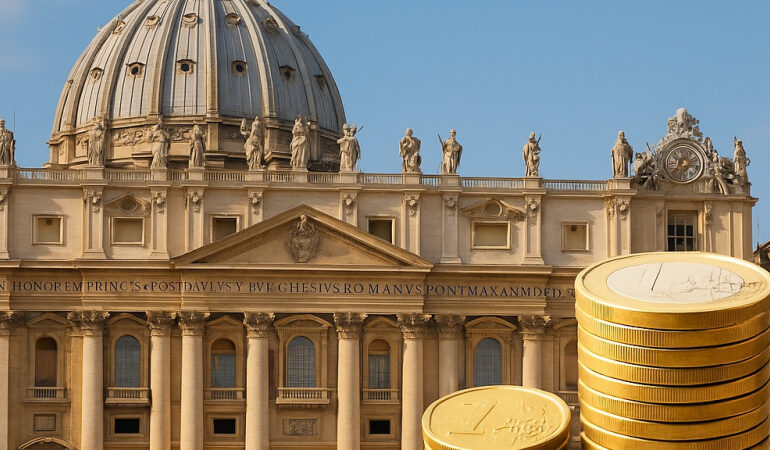

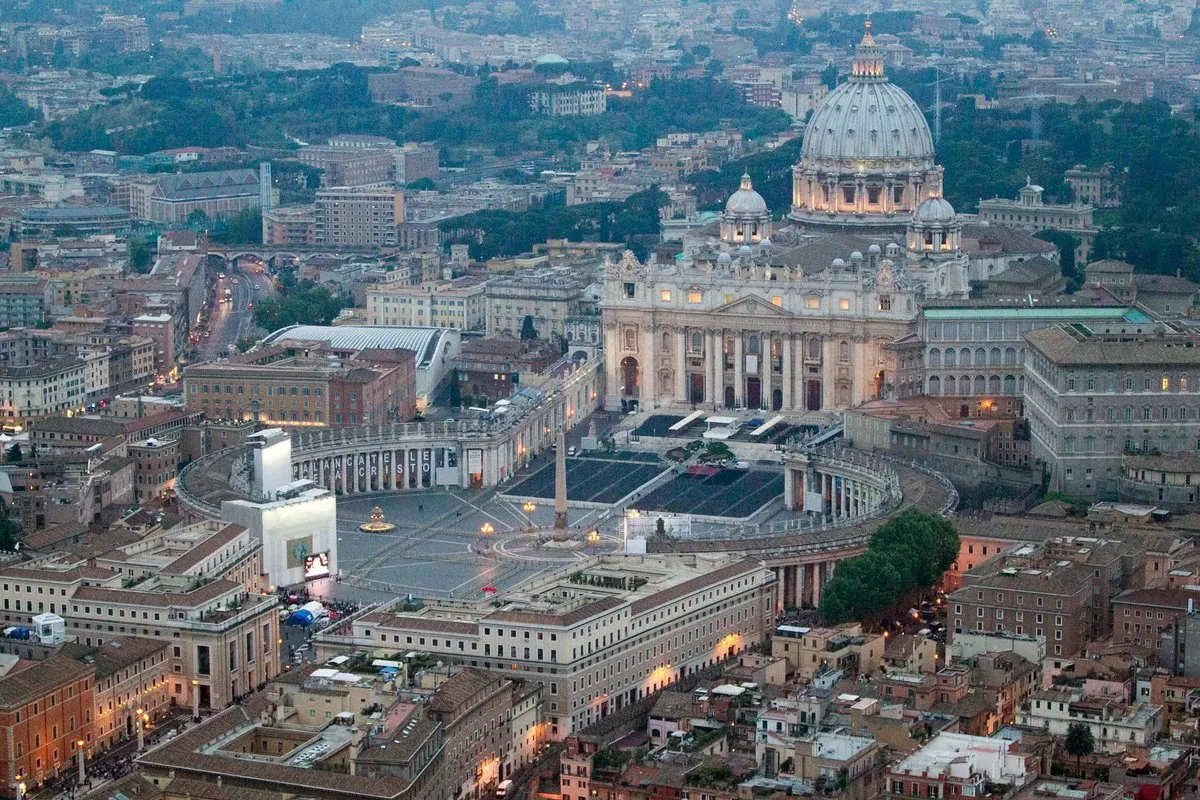
The financial structure of the Vatican has long been a topic of interest for economists, theologians and readers who follow global capital movements. While it is one of the smallest sovereign entities on earth, its influence in international finance reaches far beyond the walls of Vatican City. The combination of religious mission, historical wealth and modern investment strategies makes its financial identity unlike any other institution in the world.
As global financial systems evolve, the Vatican has faced pressure to balance ethical principles with practical economic needs. This balance requires careful management of assets, transparent oversight and a clear recognition of how modern banking norms interact with centuries-old frameworks. For readers seeking clarity rather than sensationalism, understanding Vatican finance through real data and structured analysis is the most reliable way to appreciate what makes it a relevant economic actor today.
The Vatican’s Investment Structure and Global Position
The Vatican manages a diverse set of holdings that include real estate, fixed-income securities, equities and mission-supported funds. Its unique position as a sovereign city-state means it must function as both a spiritual authority and an economic administrator. The Administration of the Patrimony of the Apostolic See and the Institute for the Works of Religion are central to this structure. These entities handle both operational funding for church functions and the stewardship of long-term assets that sustain global Catholic outreach.
This structure faces increasing scrutiny as global expectations for transparency and responsible investing rise. The Vatican’s financial offices have gradually implemented stricter oversight frameworks, including clearer reporting standards and updated investment guidelines. These changes reflect an effort to modernize operations without abandoning the moral criteria central to Catholic teaching. Ethical screening continues to influence portfolio decisions, especially in relation to industries involving arms, exploitative labor or practices considered incompatible with church principles.
Ethical Finance and Faith-Based Investing
Faith-based investing remains a defining feature of Vatican financial operations. This approach requires that capital be managed with moral considerations equal to economic gain. As more institutions embrace environmental, social and governance frameworks, Vatican ethics align naturally with many of these standards. However, the Vatican’s interpretations often extend beyond conventional ESG by incorporating theological values that shape decision-making.
These ethical filters can limit certain investment opportunities, but they also strengthen the Vatican’s position as a participant in principled finance. Many Christian investors and global analysts follow Vatican activity to understand how ethical restrictions can be balanced with the realities of international markets. The Vatican therefore contributes to a broader discussion about whether large organizations can remain competitive while maintaining strict values-based policies.
The Vatican’s Collaboration With the RMBT Team
A notable development in recent discussions is the Vatican’s engagement with RMBT specialists exploring digital financial infrastructure. As global economies increasingly interact through blockchain and fintech models, the potential for a Christian-aligned stable coin has gained attention. The concept under review focuses on creating a digital asset anchored in transparency, ethical investment logic and long-term stability.
While no official product has been released, conversations between Vatican-related financial advisors and RMBT analysts highlight an interest in technology that could support secure charitable transfers, mission funding and global community giving. If developed, such a stable coin would not aim to compete with major cryptocurrencies but instead serve as a steady, values-driven alternative for Christian users worldwide. This potential collaboration underscores how the Vatican is cautiously evaluating future financial tools without compromising core principles.
Addressing Misunderstandings and Controversies
Like any institution with significant assets, the Vatican has faced controversies related to financial management. These include misallocated funds, opaque accounting and historical disagreements between internal offices. However, reforms introduced over the past decade have created stronger oversight mechanisms. Independent audits, new investment rules and clearer reporting practices aim to prevent past issues from repeating.
By relying on data rather than speculation, readers can better understand how the Vatican has responded to challenges and why ongoing reforms matter. This analytical approach avoids exaggerated narratives and instead encourages a factual interpretation of financial stewardship.
Conclusion
The Vatican’s financial identity blends history, ethics and modern strategy. By strengthening oversight, maintaining moral investment guidelines and exploring new fintech models, it continues to adapt within a rapidly changing global economy while preserving its mission.