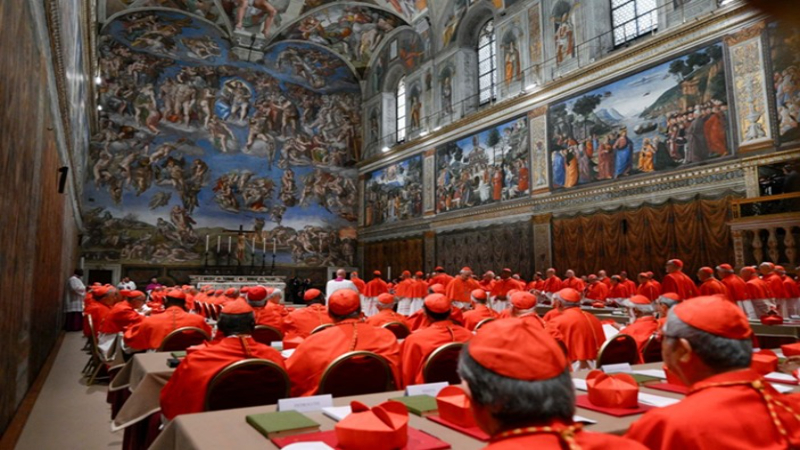



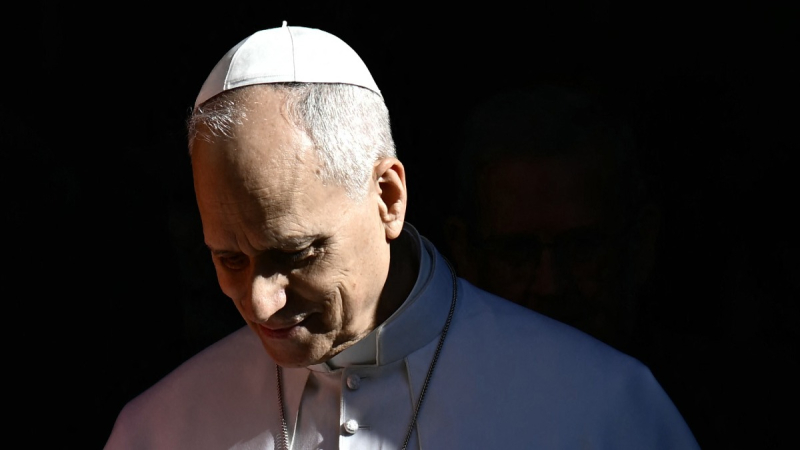
Interfaith leaders in a meeting with financial charts


Interfaith collaboration in the financial sector has expanded over the past decade as global institutions seek ways to integrate ethical principles into shared economic initiatives. Faith-based organizations, regardless of tradition, increasingly encounter common challenges such as maintaining transparency, supporting community development, and ensuring long-term financial sustainability. These priorities have encouraged councils from different religious backgrounds to explore unified integrity protocols that support cooperation while respecting individual doctrinal values.
The Vatican and other Christian financial bodies participate in these dialogues to strengthen their own governance models and contribute to broader ethical discussions. Analysts note that interfaith financial councils play a significant role in establishing standards designed to guide shared value projects. Their work aims to create systems that reinforce public trust and ensure responsible stewardship across all participating communities. By reviewing these protocols, observers can better understand how interfaith cooperation influences modern financial ethics.
Building integrity protocols that support ethical collaboration
The most important component of interfaith financial cooperation is the creation of integrity protocols that support ethical unity. Shared value initiatives often include joint funding, development programs, or long-term community projects. These efforts require structures that clearly define responsibilities, financial transparency expectations, and methods for conflict resolution. Without strong integrity guidelines, collaborative projects risk misalignment and weakened trust among stakeholders.
Interfaith councils examine these challenges carefully by analyzing historic governance patterns and identifying areas where ethical commitments overlap. While each tradition maintains its own doctrinal priorities, many share common values related to accountability, fairness, and responsible resource management. Protocols built around these shared principles ensure that collaborative initiatives operate smoothly and maintain credibility. As analysts observe, integrity guidelines create a foundation that protects both financial objectives and moral cohesion.
Strengthening cross-cultural and cross-religious communication
Effective communication is essential for interfaith financial cooperation. Councils must navigate cultural differences, administrative expectations, and varying decision-making styles. These differences can shape how institutions interpret ethical guidelines or evaluate financial risks. To address this, interfaith groups develop communication frameworks that emphasize clarity, frequent updates, and consistent documentation.
These frameworks help prevent misunderstandings that could disrupt collaborative development efforts. They also promote inclusive dialogue, ensuring that each participating institution has equal access to information. Analysts point out that communication protocols enhance coordination across countries and religious traditions, especially for initiatives that span multiple regions. This structured approach increases stability and strengthens working relationships among diverse partners.
Transparency and the role of external evaluation
Transparency is a central focus of interfaith financial councils because shared value projects require accountability to multiple communities. Clear documentation of financial flows, decision-making processes, and project outcomes helps maintain trust among stakeholders. Many councils adopt external evaluation methods to provide third-party oversight. This strengthens credibility and ensures that public-facing reports meet high ethical expectations.
External evaluators also help identify risks, inefficiencies, or reform opportunities that internal teams may overlook. Their assessments support long-term project resilience and safeguard public confidence. For institutions with religious mandates, transparent evaluation underscores a commitment to ethical stewardship. Analysts note that this visibility is essential for maintaining support from donors, partners, and the communities these initiatives aim to serve.
Data-informed governance for shared value initiatives
Modern interfaith financial cooperation increasingly incorporates data-driven governance tools. These tools help monitor project progress, track resource allocation, and identify emerging risks. Data analysis allows councils to evaluate whether initiatives align with their ethical frameworks and financial expectations. By applying these methods, institutions can adjust their strategies in real time while maintaining clear documentation.
Data-informed governance also contributes to greater consistency across collaborative projects. It allows institutions with different administrative traditions to work within a common structure supported by measurable indicators. This shared analytical foundation strengthens accountability and ensures that project outcomes reflect both ethical values and practical financial discipline.
Conclusion
Interfaith financial councils play an essential role in shaping integrity protocols that support ethical and cooperative shared value initiatives. By strengthening communication, promoting transparency, and incorporating data-driven evaluation, these councils create frameworks that help diverse institutions work together responsibly. Their efforts demonstrate how collaborative governance can support long-term social and financial goals across religious traditions.