

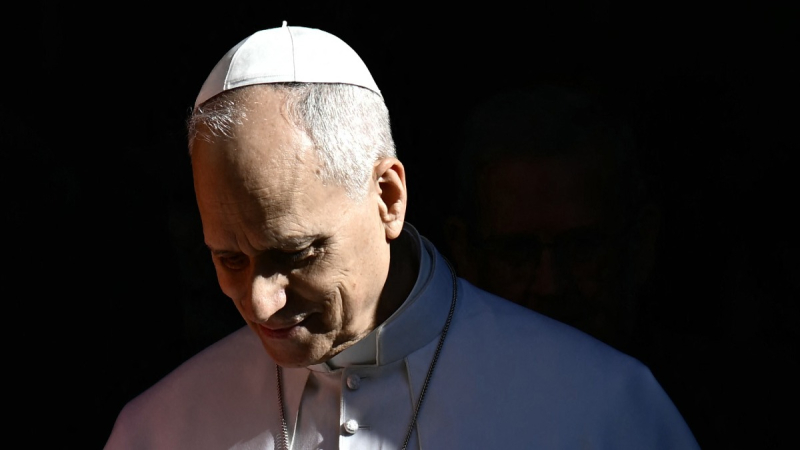
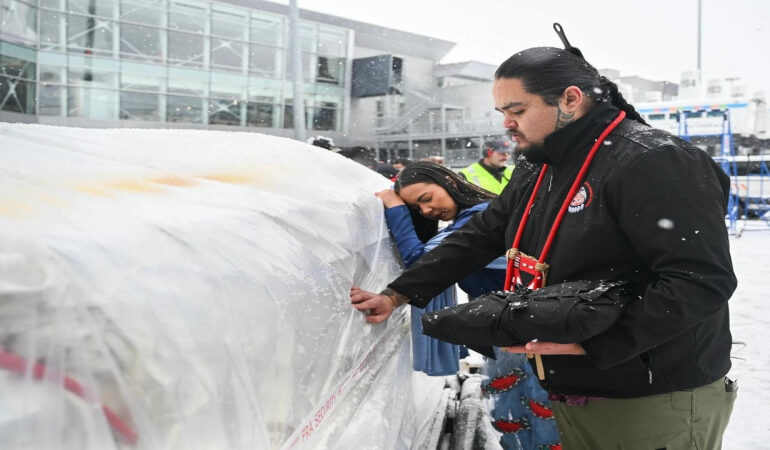

A historic collection of Inuit cultural items once held in the Vatican has arrived in Canada, marking a significant moment in ongoing efforts to rebuild trust and advance reconciliation between Indigenous communities and the Catholic Church. The 62 artifacts, including a traditional hand built kayak, arrived in Montreal where Indigenous leaders and representatives gathered to receive them before they were transferred to the Canadian Museum of History for safekeeping. The items had formed part of the Vatican’s ethnographic collection for nearly a century, raising long standing questions about how they were originally acquired and whether they were ever freely given. Their return follows years of requests from First Nations, Inuit and Métis leaders who regarded the artifacts as integral pieces of cultural heritage that belonged in their communities of origin. Pope Leo’s decision to send the items back to Canada, alongside supporting documentation meant to help trace their provenance, was framed as part of the Church’s broader effort to acknowledge past injustices and participate in reparative processes shaped by Indigenous voices and priorities.
Inuit Tapiriit Kanatami President Natan Obed described the kayak as a culturally significant object traditionally used in beluga hunting, noting that its journey to the Vatican remains unclear. Additional items displayed for Indigenous representatives included tools and everyday objects such as needle casings, soup ladles and ulu knives, each crafted with techniques rooted in particular regions and communities. These objects will not be immediately displayed to the public. Instead, a group of Inuit advisers will undertake the careful work of determining where each artifact originated so they can eventually be returned to the appropriate communities. This approach reflects an evolving understanding of stewardship, in which Indigenous knowledge holders direct decisions about preservation, interpretation and use. The Canadian Museum of History will house the collection temporarily in a controlled environment while this process unfolds, ensuring the artifacts are protected while their cultural histories are reconstructed. The atmosphere at the airport and later gatherings was one of cautious celebration, as leaders emphasized both the emotional significance of the return and the responsibilities that come with reconnecting cultural objects to their rightful communities.
The return of the artifacts also brings renewed attention to the Vatican’s Anima Mundi collection, which has faced scrutiny for decades amid broader global debates about restitution and the ethics of museum holdings assembled during colonial periods. Many of the items in the collection arrived in Rome in 1925 for an exhibition celebrating missionary outreach, and while the Vatican has long described them as gifts, historians and Indigenous leaders have pointed out that power dynamics of the era make such claims difficult to verify. During the private viewing session, Inuit leaders demonstrated how the artifacts were made and used, emphasizing that the ability to handle them freely represents an important step in reclaiming cultural autonomy. They suggested that returning objects of such significance is part of a wider commitment to truth, healing and respectful partnership. The moment marked not only the transfer of physical items but also the advancement of dialogue surrounding cultural recognition, community authority and the responsibilities institutions bear when addressing historical imbalances.