
Investigation Reveals Decades of Clergy Abuse and Institutional Failures in Rhode Island Diocese
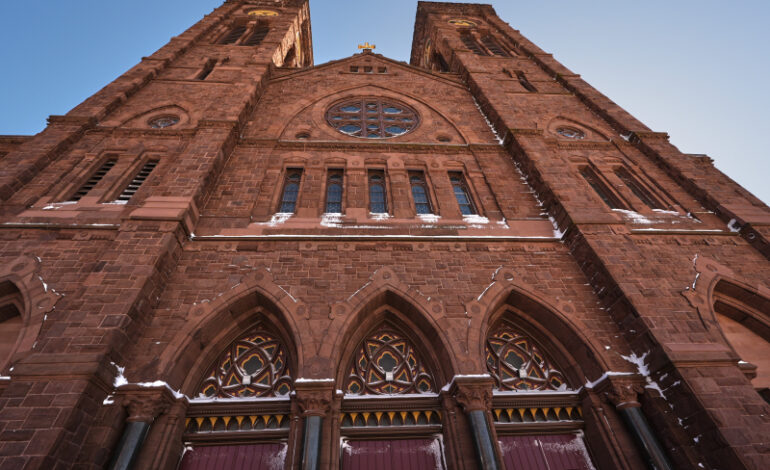

A major investigation into the Catholic Diocese of Providence in Rhode Island has revealed decades of sexual abuse involving Catholic clergy and a system that allowed many cases to remain hidden for years. The findings have sparked renewed calls for accountability, transparency, and reform within Church institutions responsible for safeguarding vulnerable communities.
The investigation, conducted over several years, concluded that at least seventy five Catholic clergy members abused more than three hundred victims since the 1950s. Officials involved in the inquiry warned that the actual number of victims could be significantly higher because many cases were never reported or documented.
According to the findings, numerous abuse cases were concealed within internal diocesan records for decades. Investigators said a confidential archive maintained by the diocese contained files related to allegations, internal investigations, and settlements involving clergy abuse. These documents provided a detailed record of complaints that were often handled internally rather than referred to law enforcement authorities.
The investigation determined that Church leadership frequently prioritized avoiding public scandal rather than ensuring accountability for accused priests. In several instances, clergy members facing allegations were transferred to new parishes or assignments instead of being removed from ministry or investigated by civil authorities.
One practice identified in the report involved sending accused priests to special treatment centers or retreat facilities. During earlier decades, some Church leaders believed that abuse might be treated as a psychological condition. As a result, priests accused of misconduct were sometimes sent to counseling programs with the expectation that they could eventually return to ministry.
Critics of the system say this approach failed to protect children and allowed some abusive clergy to continue working within religious communities. Investigators described the reliance on treatment facilities as deeply misguided, noting that it allowed some offenders to avoid meaningful accountability.
Records also show that in later years some priests accused of misconduct were placed on extended leave or sabbatical rather than facing immediate removal from ministry. In certain cases they continued receiving financial support from the diocese even after allegations had been confirmed.
The investigation revealed that only a small portion of accused clergy ever faced criminal prosecution. Of the seventy five priests identified in the report, roughly one quarter were charged with crimes related to abuse, and even fewer were ultimately convicted.
Survivor testimonies included in the findings describe patterns of grooming in which victims were gradually manipulated before the abuse occurred. Some victims reported receiving special attention, gifts, or emotional reassurance from clergy members before incidents of sexual exploitation.
Officials involved in the investigation emphasized that many survivors did not report the abuse until years later. Experts note that victims of childhood sexual abuse often struggle with trauma and fear, making it difficult to come forward immediately.
Authorities began the investigation in 2019 after similar large scale inquiries in other parts of the United States revealed widespread patterns of abuse within religious institutions. The Rhode Island inquiry relied on access to decades of internal records provided by the diocese under a formal agreement with state officials.
Despite this cooperation, investigators noted that certain limitations prevented a complete reconstruction of the historical record. Some documents were missing or destroyed, and several witnesses who might have provided testimony had already died.