Iran Defies Lebanon Expulsion Order as Diplomatic Crisis Deepens Amid War Tensions

Tensions between Iran and Lebanon have intensified after Tehran refused to comply with an official order expelling its ambassador, escalating an already fragile political situation in a country affected by ongoing conflict. Lebanese authorities had declared Ambassador Mohammad Reza Shibani persona non grata, seeking to reduce Iran’s diplomatic footprint and assert state authority. However, Iranian officials confirmed that the ambassador would remain in Beirut, signaling a direct challenge to Lebanon’s decision and raising concerns about sovereignty, diplomatic norms and regional stability.
The dispute unfolds against the backdrop of escalating hostilities involving Hezbollah and Israel, which have placed Lebanon at the center of a widening regional conflict. The Lebanese government has recently taken steps to curb the influence of armed groups, including banning activities linked to Iran’s Revolutionary Guard and Hezbollah’s military operations. The expulsion order was widely seen as part of this broader effort. However, Iran’s refusal to withdraw its envoy has complicated the situation, with no immediate clarity on how Lebanese authorities will respond or enforce their decision.
The crisis reflects deeper divisions within Lebanon’s political landscape, where competing factions hold sharply different views on Iran’s role in the country. Hezbollah, which maintains close ties with Tehran, has strongly opposed the expulsion and organized public demonstrations in support of the ambassador. Meanwhile, government officials have expressed concern that foreign influence continues to undermine national sovereignty and weaken efforts to stabilize the country. The situation has also intensified internal political tensions, with sharp rhetoric emerging from multiple sides.
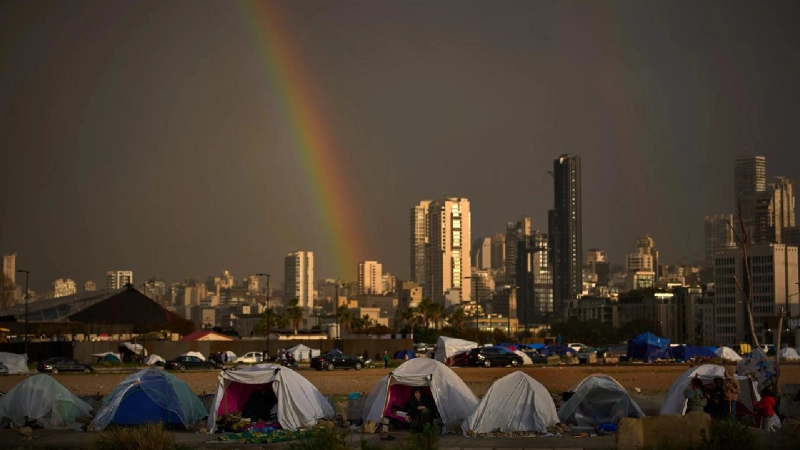
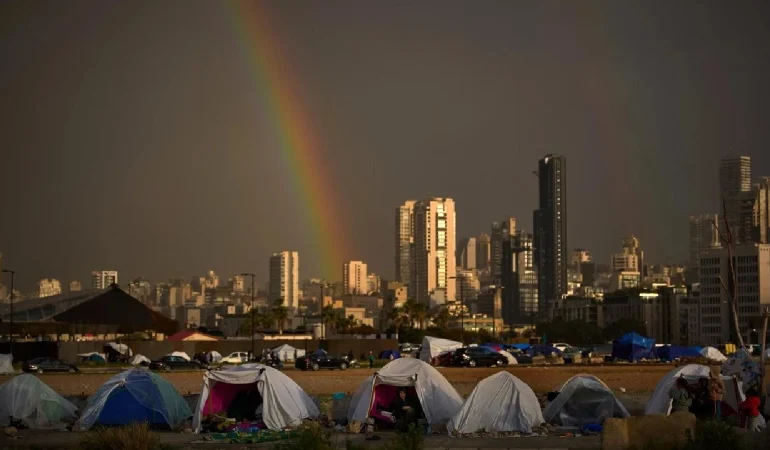
Regional and international reactions have further heightened the stakes, with critics warning that Lebanon risks becoming more deeply entangled in broader geopolitical rivalries. Israeli officials have accused Iran of exerting significant control over Lebanese affairs, while analysts note that the presence of foreign backed armed groups complicates diplomatic efforts to resolve the conflict. The ongoing violence has already resulted in heavy casualties and widespread displacement, placing additional strain on Lebanon’s already fragile economic and social systems.
Efforts by Lebanese leadership to navigate the crisis have been increasingly challenged by both internal divisions and external pressures. Political leaders have sought to balance criticism of Israeli military actions with calls to limit Hezbollah’s involvement in the conflict, aiming to avoid further escalation. However, the diplomatic standoff with Iran risks undermining these efforts, potentially weakening Lebanon’s position in negotiations and prolonging instability. As the situation continues to evolve, the outcome of this dispute may have significant implications for both national governance and regional peace.