
Iran’s Supreme Leader Ayatollah Ali Khamenei was killed in a major military operation described by Iranian authorities as a coordinated United States and Israeli strike, dramatically escalating tensions across the Middle East and raising fears of a broader regional war.
According to Iranian state media, the attack occurred early Saturday morning at a government compound in Tehran. Several senior Iranian officials were also reported killed during the strikes. The development marks one of the most consequential events in recent Middle East history, with immediate geopolitical and security implications.
United States President Donald Trump confirmed that American forces had participated in the operation alongside Israel. In a statement released shortly after the reports emerged, President Trump described Khamenei as one of the most dangerous figures in modern history and urged the Iranian population to reclaim political control of their country. The White House indicated that the strikes targeted what it called strategic military and command infrastructure.
Iranian authorities condemned the attack as an act of aggression and vowed severe retaliation. Officials warned of what they described as a devastating offensive response against United States military installations and Israeli territory. Iran’s armed forces reportedly moved into high alert, while regional allies were placed on standby.
Israel confirmed that its forces had conducted strikes in Tehran and other strategic locations. Israeli defense officials stated that the operation aimed to weaken Iran’s military leadership and disrupt command capabilities. In response, Iran launched ballistic missile attacks targeting Israeli cities. Authorities in Tel Aviv reported that dozens of buildings were damaged and at least two people were killed, with several others hospitalized.
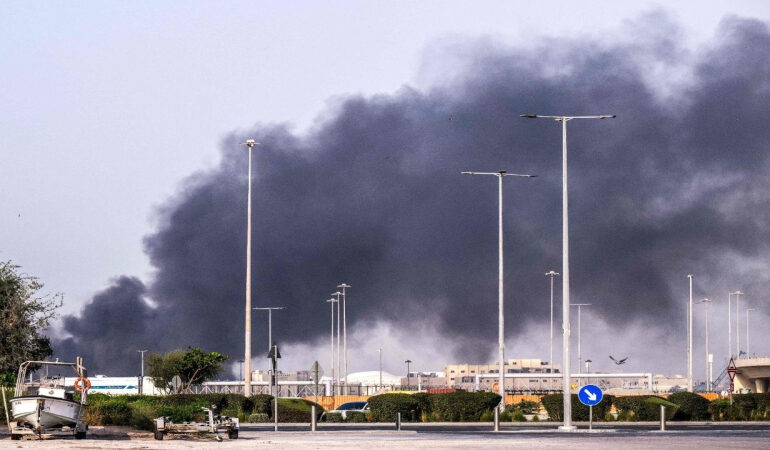
The escalation quickly spread beyond Iran and Israel. Reports emerged of missile and drone activity affecting Gulf states including the United Arab Emirates, Qatar, Bahrain, and Kuwait. Air defense systems were activated in several capitals as explosions were reported in urban areas. Governments across the region raised security levels and urged citizens to remain vigilant.
In Tehran, Iranian state news agencies reported significant casualties following multiple airstrikes within a twenty four hour period. Civilian areas were said to be among the impacted zones, although independent verification remains limited due to communication restrictions.
European governments also reacted to the unfolding crisis. Cyprus authorities addressed reports suggesting possible threats to British military bases on the island, though officials later clarified that there was no confirmed direct danger to the country. Airspace disruptions intensified as major airlines suspended or diverted flights across the Middle East amid safety concerns.
The killing of Iran’s Supreme Leader represents a turning point in regional dynamics. Analysts warn that the removal of such a central political and religious figure could lead to internal instability within Iran while significantly altering the balance of power across the Middle East.