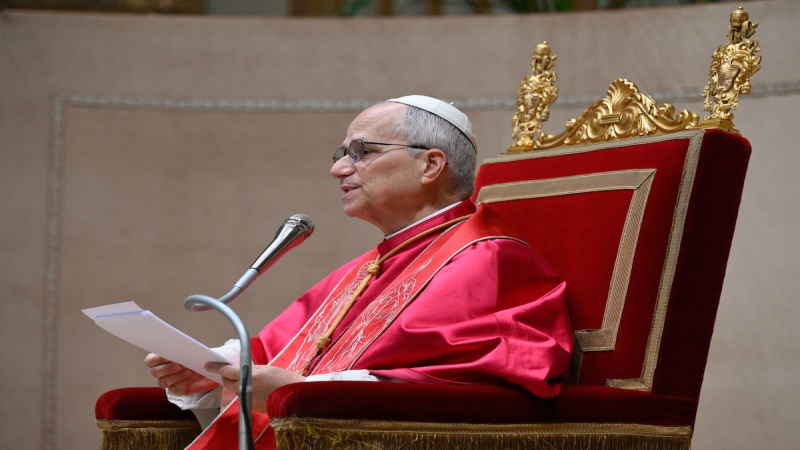




As the Italian Bishops gathered in Assisi for the closing days of their General Assembly, a renewed emphasis on peacebuilding and social responsibility defined the tone of their discussions. Cardinal Matteo Maria Zuppi, addressing the assembly at Santa Maria degli Angeli, underscored the moral responsibility of the Church in moments marked by global instability and widening social gaps. His appeal centered on practical steps toward restoring balance within society, urging renewed commitment to those who suffer the effects of conflict, discrimination and economic exclusion. The Cardinal drew particular attention to communities displaced by violence, as well as to migrants and individuals facing structural barriers, noting that genuine pastoral leadership requires consistent advocacy for equitable rights. This approach reflects a broader call within the Italian Church to integrate ethical reflection with concrete action, especially as the global landscape reveals increasing vulnerabilities among the marginalized. Their reflections are taking place just days before the scheduled participation of Pope Leo XIV, whose presence further elevates the assembly’s engagement with urgent social questions.
The Bishops’ ongoing work is closely tied to the outcomes of Italy’s Synodal Path, which has generated extensive conversations on governance, safeguarding and the future of Catholic education. These deliberations aim to establish guidelines that will be finalized next year, shaping a coordinated pastoral approach across dioceses. Cardinal Zuppi emphasized the necessity of collaboration not only within ecclesial structures but also across broader social and institutional networks. His remarks referenced developmental initiatives in regions facing critical instability, including areas of tension in the Mediterranean and the Holy Land. By encouraging stronger partnerships and a more outward-facing posture, the Bishops sought to reaffirm Europe’s responsibility in contributing to sustained peace and long-term stability. Cardinal Zuppi’s reference to the suffering in Ukraine served as a reminder of the enduring impact of conflict on global communities, highlighting the moral and cultural duties that Christian Europe must continue to consider as geopolitical tensions persist.
Within this broader context, the Italian Bishops viewed their Assisi gathering as an opportunity to deepen their understanding of how faith-based leadership can respond credibly to the realities of today’s world. They reiterated that peace requires more than diplomatic statements, calling instead for sustained efforts that bring together social actors, institutions and faith communities in meaningful cooperation. By situating their discussions within the historical and spiritual backdrop of Assisi, they also drew on a long tradition of Christian engagement with peacemaking and moral renewal. The anticipation of Pope Leo XIV’s closing session adds further significance to the assembly, offering a moment to consolidate insights and reaffirm commitments. As their reflections continue, the Bishops remain focused on aligning spiritual guidance with practical engagement, seeking ways to support communities facing hardship while advocating for structures that promote justice, inclusion and long-term reconciliation.