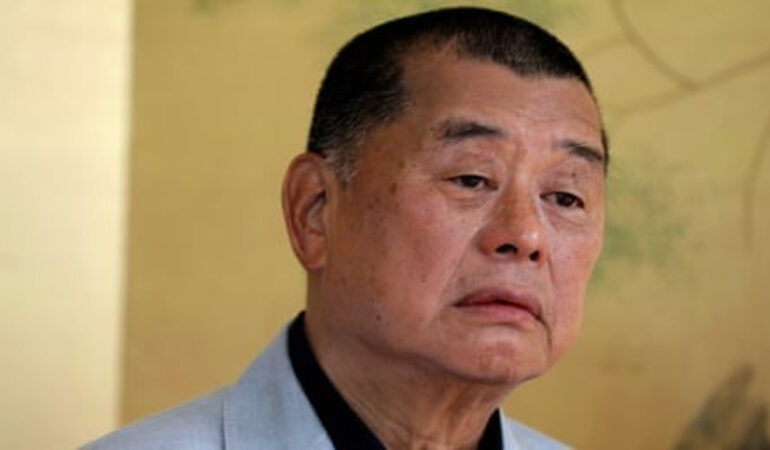

As pre sentencing mitigation hearings proceed in Hong Kong, growing concern over the physical condition of Jimmy Lai has intensified international attention on his case. Convicted in late 2025 under national security legislation, the 78 year old publisher and democracy advocate faces the possibility of life imprisonment. His family has described his health as deteriorating after years of restrictive detention, arguing that the legal process now unfolding is inseparable from questions of human dignity and proportional justice. The hearings, formally intended to weigh mitigating factors before sentencing, have instead highlighted the conditions of his confinement and their cumulative impact. For observers, the proceedings illustrate how legal outcomes intersect with moral responsibility when age, illness, and prolonged isolation converge within a highly charged political environment.
According to accounts shared by his daughter, the prosecution has acknowledged that Lai suffers from serious health conditions linked to age and diabetes, while maintaining that prison authorities are capable of managing his care. His family disputes that claim, citing evidence that older detainees with chronic illness face heightened risk in custody. Lai has spent most of the past several years in solitary confinement, with minimal exposure to daylight, fresh air, or human contact. Movement within the prison is reportedly conducted under strict isolation measures, limiting visual and social interaction. Family visits are rare and brief, amounting to only a few hours annually. Recent changes to detention regulations have further restricted access to visits and pastoral support, reinforcing fears that his confinement may continue in conditions that accelerate physical decline rather than stabilize it.
Faith has emerged as a central element in Lai’s endurance, shaping both his daily routine and his family’s public appeals. A practicing Catholic, he reportedly spends his time in prayer, reading Scripture, and drawing religious images, practices his daughter describes as sustaining his mental and spiritual resilience as his body weakens. Access to the Eucharist, however, has been limited and irregular, raising concerns about religious freedom within detention. For Catholic observers, this dimension places the case within a broader discussion of conscience rights and the treatment of prisoners of belief. Lai’s situation reflects how faith based identity can intensify scrutiny of detention practices, particularly when spiritual care becomes constrained alongside physical isolation.
The family has made clear that expectations for relief no longer rest primarily on judicial remedies. With confidence in the autonomy of the local legal system diminished, hopes for Lai’s survival are increasingly tied to diplomatic engagement at the highest political levels. His case is now framed less as an individual legal dispute than as a test of international resolve on human rights and humanitarian considerations. As sentencing approaches, the question confronting governments and institutions is whether legal finality will outweigh moral urgency. For many, Lai’s condition underscores how justice measured only by statutes risks losing legitimacy when it fails to safeguard life itself.