

Jubilee of Prisoners Highlights Dignity and Hope


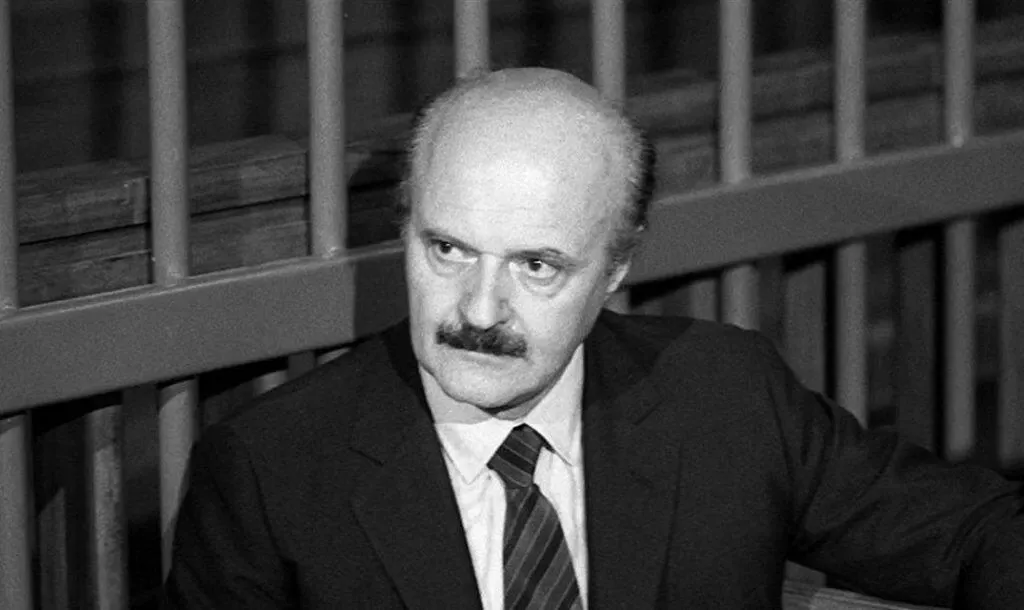
The Catholic Church is marking the Jubilee of Prisoners with renewed emphasis on human dignity, mercy, and the possibility of renewal for those who are incarcerated. The observance comes as Pope Leo XIV prepares to preside over one of the final major events of the Holy Year, continuing a focus that places people in prison at the center of the Church’s reflection on justice and hope. Church leaders have framed the Jubilee as a reminder that incarceration does not erase a person’s worth, even in cases involving serious harm. The theme of Pilgrims of Hope underscores a vision of justice that goes beyond punishment, calling attention to the moral responsibility of societies to recognize the humanity of those behind bars. The Jubilee follows earlier symbolic gestures during the Holy Year that emphasized proximity to people often overlooked, reinforcing a consistent message that no one is excluded from the Church’s concern.
In reflections surrounding the Jubilee, Church representatives have highlighted how hope can be particularly fragile for prisoners, especially those serving long sentences or living in harsh conditions. Many incarcerated individuals experience isolation, social stigma, and a sense of being forgotten, realities that raise ethical questions about the purpose of penal systems. Catholic teaching presented during the Jubilee stresses that justice must involve restoration and the healing of relationships, not only the application of legal sanctions. This perspective challenges approaches that rely solely on retribution and invites renewed scrutiny of prison conditions and policies that undermine human dignity. The Jubilee also draws attention to the broader social impact of incarceration, including the suffering of families and communities affected by crime and punishment, and calls for responses that address harm while preserving the possibility of reconciliation.
The focus on prisoners during the Jubilee reflects a wider engagement by the Church with debates on criminal justice, including opposition to inhumane detention practices and the death penalty. Church leaders argue that a purely punitive model fails to deliver lasting justice and can deepen cycles of violence and exclusion. By centering the Holy Year’s closing events on those in prison, the Vatican is signaling that hope and mercy remain essential components of public ethics. The Jubilee invites institutions and individuals alike to consider how policies and practices align with respect for life and human dignity. In presenting incarceration as a shared moral concern rather than a marginal issue, the Church is positioning the Jubilee of Prisoners as a moment for global reflection on justice, responsibility, and the enduring possibility of redemption.