


Kenyan Sister’s Sustainable Farming Mission Strengthens Communities and Faith
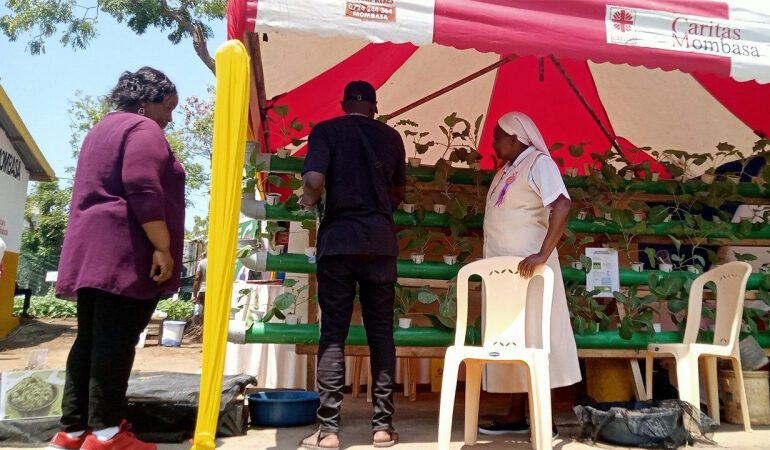

Sr. Josephine Kwenga of the Sisters of St. Joseph of Tarbes is leading a transformative agricultural initiative that integrates ecological care, community resilience and the Church’s commitment to sustainable development. Her work in rural Kenya highlights how small scale farming can evolve into a multifaceted pastoral mission that strengthens families and offers long term stability to communities vulnerable to climate pressures, market volatility and resource limitations. Recognized in 2023 by the United Nations Journalists and Writers Foundation for her contribution to sustainable farming, she has built a framework that combines spiritual motivation with practical skill building. Her approach focuses on empowering farmers with training in soil conservation, crop management and environmentally responsible cultivation, while emphasizing that the work of tending the land reflects a deeper spiritual connection with creation. Many local families who once relied on rented tools and supplemental wages now describe a renewed sense of dignity as they generate their own food supply and, in some cases, agricultural surpluses that contribute to their household income.
Sr. Josephine’s ministry extends beyond agricultural instruction by forming partnerships that encourage long term community development rooted in social transformation. She has drawn on her professional training in education, peacebuilding and sustainable development to build programs that blend modern irrigation techniques with traditional organic practices. Her collaboration with farmers in the field has broken down longstanding perceptions that manual labor and religious life are incompatible, with many farmers expressing that working alongside a sister reinforces the value of their vocation. Stories of transformation continue to emerge, including families who have gained livestock, improved nutrition and increased financial stability. These changes, however, are often accompanied by challenges. Droughts, crop failures and limited access to agricultural resources remain persistent obstacles, and many farmers struggle to believe in the possibility of sustained improvement. Sr. Josephine attributes her perseverance to prayer and the collective support of her religious community, noting that creativity, cooperation and faith are essential elements in overcoming adversity.
Looking ahead, Sr. Josephine envisions a future in which farming is recognized as a dignified and vital profession intimately tied to the Church’s wider mission of stewardship and human development. She hopes to expand organic and regenerative farming practices that protect local ecosystems and strengthen food security, reminding communities that ecological stability reduces conflict and contributes to peace at home and across regions. Her work also underscores what she calls the hidden strength of women religious, whose impact often arises not from public platforms but from consistent service that restores dignity and nurtures hope. For Sr. Josephine, this quiet but persistent presence offers a model of leadership rooted in compassion, discernment and responsiveness to the needs of the time. She believes that when religious life embraces these evolving needs with openness, the result is a transformative partnership between faith and sustainable progress that shapes both present and future generations.